


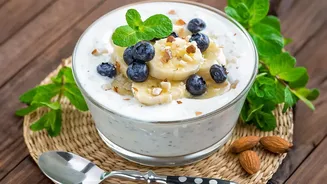


The Antioxidant Promise
First, let's break down the popular health pitch. Antioxidants are compounds that fight oxidative stress in the body. Oxidative stress happens when there's an imbalance between free radicals—unstable molecules that can damage cells—and the antioxidants
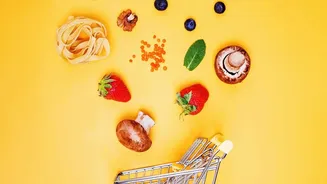
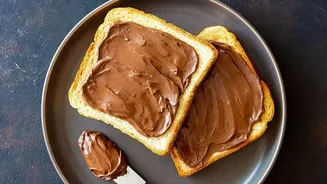
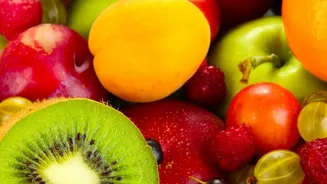
that neutralize them. This cellular damage is linked to various diseases, including heart disease. The theory goes that by consuming antioxidants, you can protect your body from this harm. Foods rich in these compounds, like berries, leafy greens, and even dark chocolate, are promoted as essential for good health, and for good reason. They are packed with vitamins and nutrients that our bodies need.
The Cholesterol Connection Theory
So, where does cholesterol fit in? The main concern is low-density lipoprotein (LDL), often called 'bad' cholesterol. High levels of LDL can lead to plaque buildup in arteries, a condition known as atherosclerosis. The theory connecting antioxidants to cholesterol focuses on LDL oxidation. When LDL particles are damaged by free radicals, they become oxidized LDL. This oxidized form is believed to be a key driver in the process of atherosclerosis, as it promotes inflammation and the formation of plaques within artery walls. In laboratory settings, antioxidants have been shown to inhibit or slow this oxidation process. This led to the logical, yet ultimately incomplete, conclusion that a diet high in antioxidants would prevent this harmful process and thus lower the risk of heart disease.
Why It's Not a Guarantee
Here’s the crucial distinction: antioxidants may help protect LDL cholesterol from becoming damaged, but they do not directly reduce the amount of LDL cholesterol circulating in your blood. Your blood cholesterol level is primarily influenced by other factors, including genetics, and your intake of saturated fats, trans fats, and—importantly—soluble fibre. Simply eating a lot of antioxidants won't override the effects of a diet that is otherwise high in foods that raise LDL cholesterol, such as fatty meats and full-fat dairy products. Furthermore, studies on antioxidant supplements (like vitamin E or C pills) have largely failed to show a consistent benefit in preventing heart disease and, in some cases, may even interfere with the effectiveness of cholesterol-lowering medications.
What Actually Lowers Cholesterol
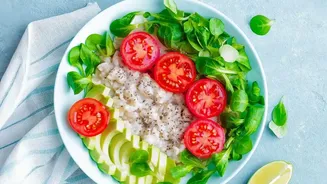
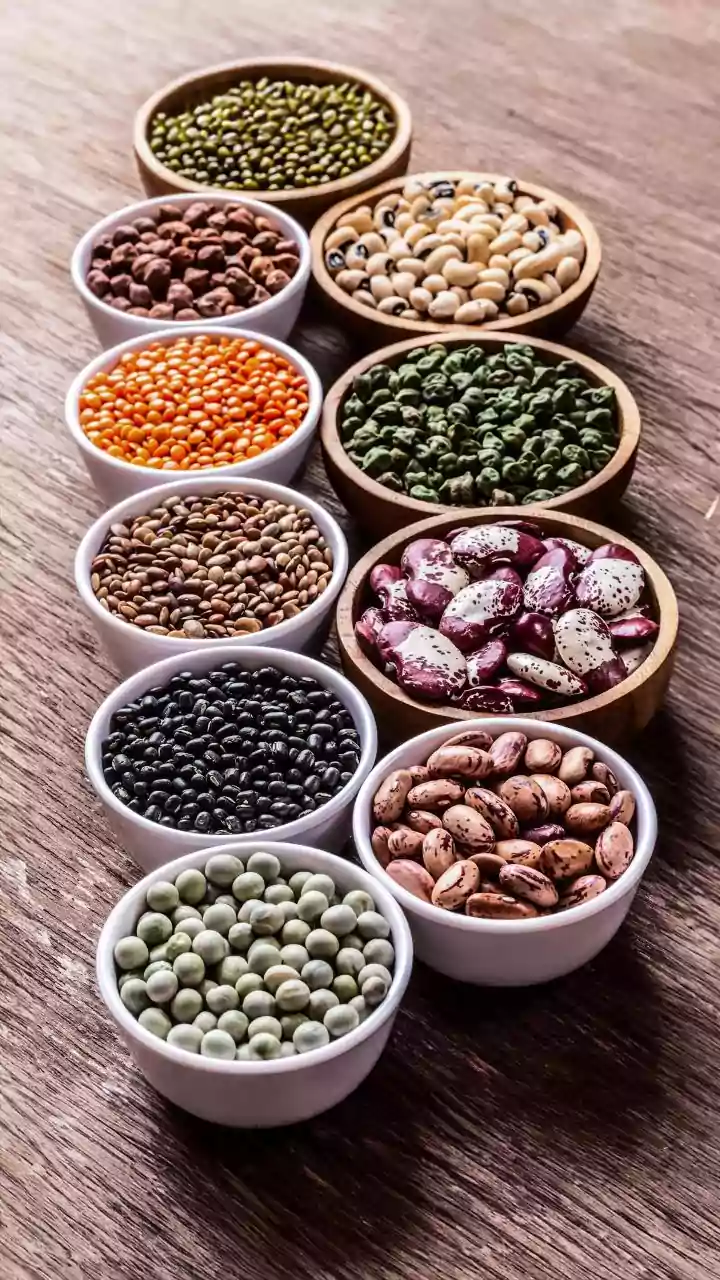
If antioxidants aren't the magic bullet, what is? The evidence overwhelmingly points to two main dietary power players: soluble fibre and healthy fats. Soluble fibre, found in foods like oats, barley, beans, apples, and lentils, forms a gel-like substance in your digestive system. This gel traps cholesterol and prevents it from being absorbed into your bloodstream, effectively dragging it out of your body. Aiming for 10 or more grams of soluble fibre a day can significantly decrease LDL cholesterol. Healthy fats, specifically monounsaturated and polyunsaturated fats found in olive oil, avocados, nuts, and fatty fish, also help lower bad cholesterol levels while reducing inflammation. The key is to replace saturated and trans fats with these healthier alternatives.
Focus on the Whole Food, Not One Nutrient
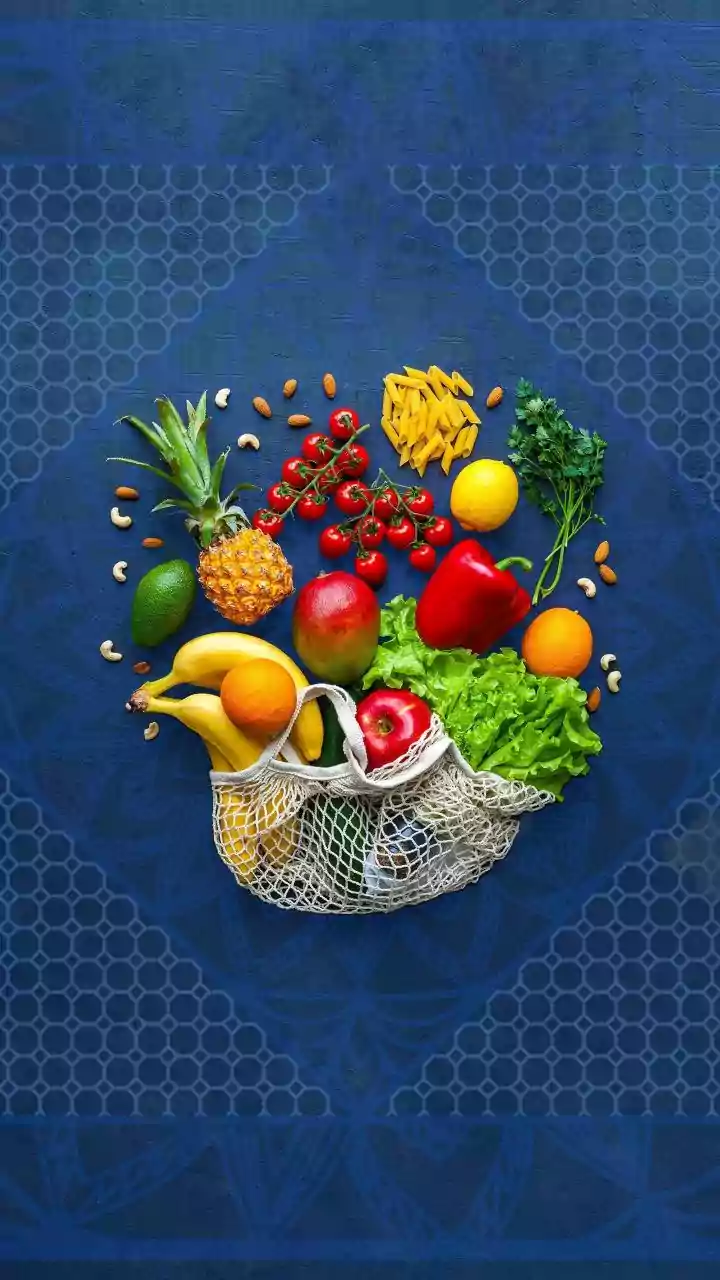
This brings us to the most important point. The health benefits of antioxidant-rich foods come from the entire food, not just one isolated component. A handful of blueberries is beneficial not just because of its antioxidants, but also because it contains fibre, vitamins, and other plant compounds (phytonutrients) that work together to support your health. This is why a holistic eating pattern, such as the Mediterranean diet, is consistently recommended for heart health. It emphasizes whole foods like fruits, vegetables, whole grains, legumes, and healthy fats, which naturally provide a synergistic mix of fibre, antioxidants, and essential nutrients. The overall pattern of your diet matters more than zeroing in on a single nutrient.