

A Global Celebration of Space
Every year from October 4 to 10, nations around the globe celebrate World Space Week. Declared by the United Nations, this week commemorates two key dates in space history: the launch of the first artificial satellite, Sputnik 1, on October 4, 1957, and
the signing of the foundational Outer Space Treaty on October 10, 1967. It serves as the largest annual space event worldwide, designed to increase awareness and interest in the contributions of space science and technology to the betterment of human life. In India, organizations like the Indian Space Research Organisation (ISRO) and various universities are hosting lectures, competitions, and outreach programs to engage students and the public.
Theme for 2026: The Rocket Revolution
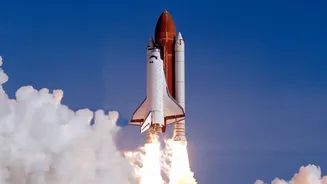
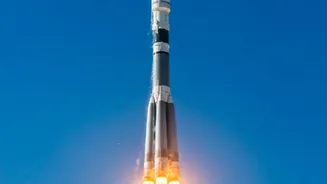
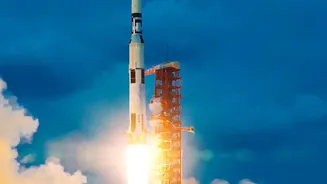
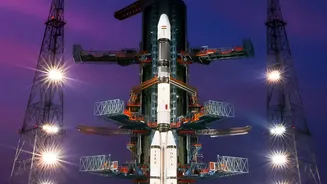
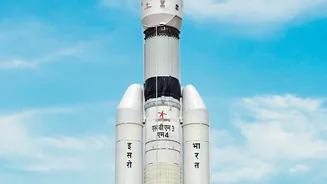
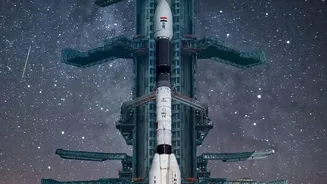
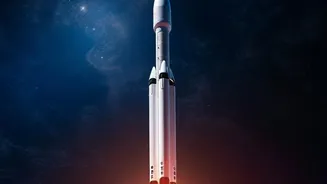
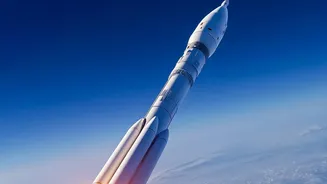
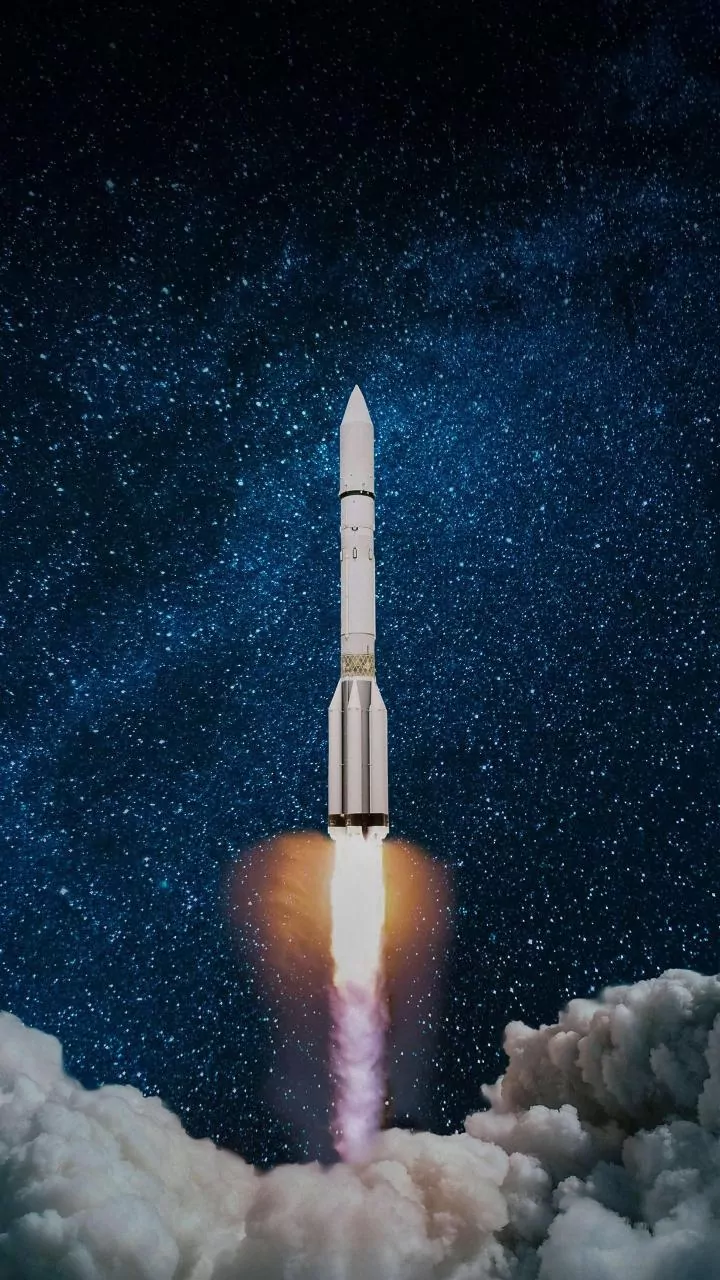
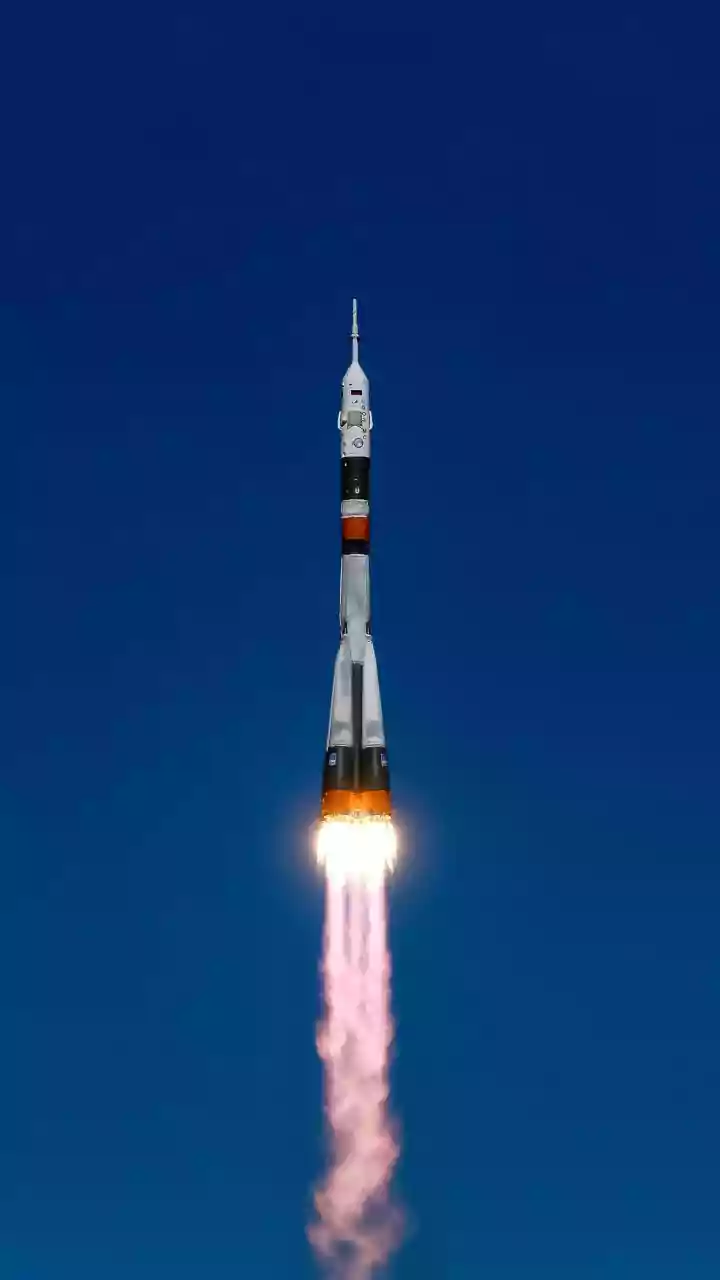
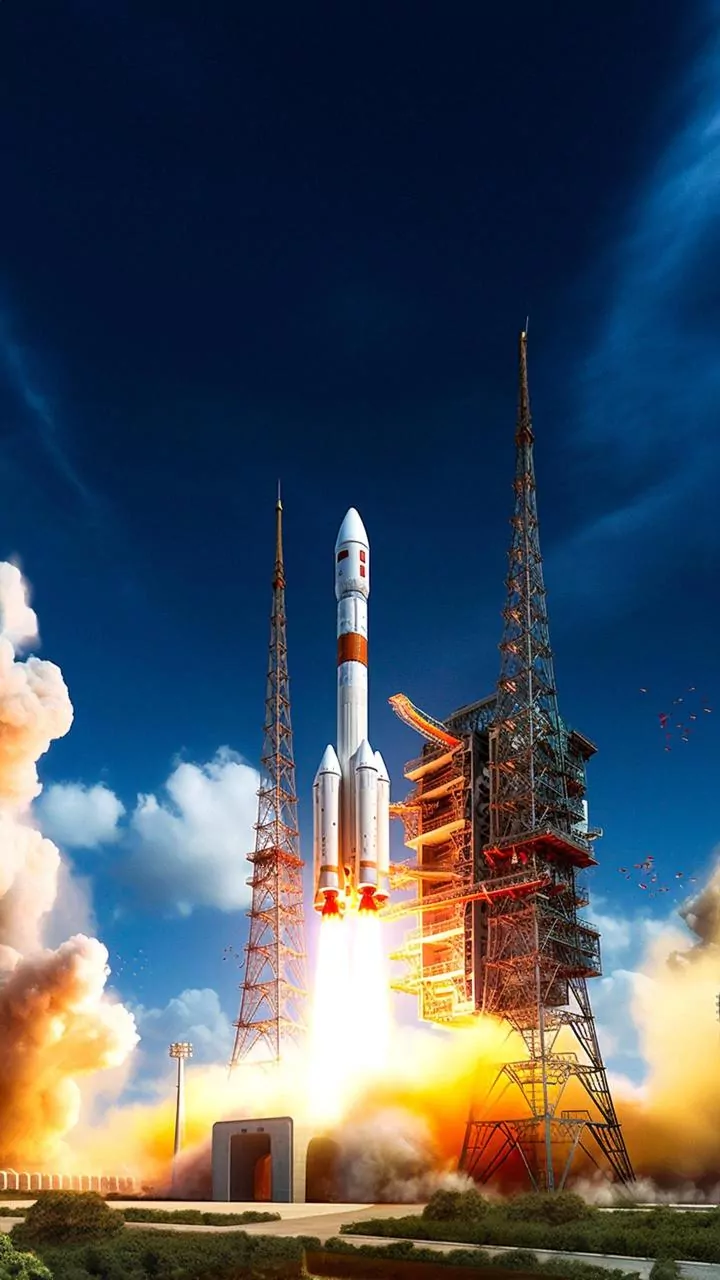
This year's theme, 'Rocket Revolution', focuses on one of the most dynamic areas of space technology: the rockets themselves. For decades, space travel was the exclusive domain of a few governments using expensive, single-use rockets. That is rapidly changing. The revolution is being driven by innovations like reusable launch systems, advanced manufacturing such as 3D printing, and the development of more efficient and eco-friendly fuels. These breakthroughs, pioneered by both private companies and government agencies, are drastically cutting the cost of reaching orbit, making space more accessible for science, business, and exploration.
How Better Rockets Advance Science
Cheaper and more frequent launches directly translate into more opportunities for scientific discovery. The 'Rocket Revolution' allows for the deployment of sophisticated Earth observation satellites that monitor climate change, track natural disasters, and manage resources like water and agriculture. It enables ambitious new missions, like India's successful Chandrayaan-3 landing near the Moon's south pole and the Aditya-L1 solar observatory. It also makes it feasible to launch next-generation space telescopes to peer deeper into the universe and send probes to explore other planets in our solar system, expanding our fundamental understanding of the cosmos.
Driving Technology and Progress in India
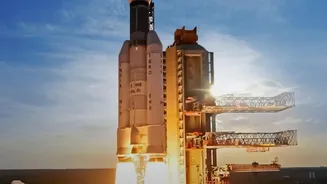
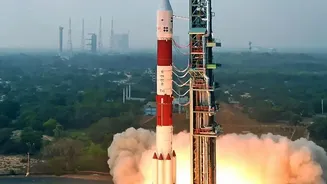
This revolution is not just happening overseas; it's a key focus for India. ISRO continues to be a world leader in providing reliable and cost-effective launches with its workhorse PSLV rockets, which have launched hundreds of foreign satellites. The agency is also pushing the boundaries of rocket technology, with recent successful tests of semi-cryogenic engine components and advancements for the Gaganyaan human spaceflight program. This drive for innovation, coupled with a growing private space sector, positions India to play a major role in the expanding global space economy, which is projected to become a trillion-dollar industry by 2030. The progress stimulates jobs, inspires students to pursue STEM careers, and leads to valuable spinoff technologies.
The Impact on Our Daily Lives
While rocket science can feel distant, its progress has very tangible benefits on the ground. The technology developed for space exploration has given us everything from GPS navigation in our phones and cars to advancements in medical imaging and lithium-ion batteries. The current rocket revolution is accelerating this trend. Cheaper access to space is enabling the rapid growth of satellite internet constellations that can bring high-speed connectivity to remote areas. It improves weather forecasting, supports disaster response efforts, and ensures that the services we rely on every day, from banking to logistics, function smoothly.