





The Appeal of the Peel
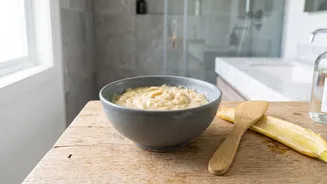
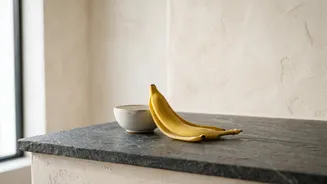
Social media is buzzing with videos of people rubbing the inside of a banana peel on their skin, hailing it as a natural, zero-waste alternative to expensive serums. The claims are enticing: reduced wrinkles, a brighter complexion, and soothed inflammation.
The logic seems simple—bananas are packed with nutrients, so the peel must be a superfood for your face. Banana peels contain antioxidants like polyphenols and carotenoids, as well as minerals like potassium. In theory, these components could help protect the skin from environmental stressors and provide a temporary hydrating effect. Given the appeal of a simple, affordable, and natural solution, it's no wonder so many are tempted to give this kitchen-scrap facial a try.
The Reality of the Rub
While banana peels do contain beneficial compounds, dermatologists are quick to point out a major hurdle: absorption. The skin is a protective barrier designed to keep things out. Simply rubbing a peel on your face doesn't guarantee that its nutrients can penetrate the skin effectively enough to make a real difference. Any tightening or brightening effect is likely temporary and superficial. Furthermore, there is no significant scientific evidence to support the idea that banana peels can replace proven skincare ingredients or treatments like Botox, despite some online claims. The concentration of active compounds in a peel is low and unstable compared to professionally formulated products, which are designed for stability and skin penetration.
The Hidden Risks of 'Natural' Skincare
The term "natural" doesn't automatically mean "safe." Many natural ingredients can cause skin irritation or allergic reactions, a condition known as contact dermatitis. Banana peels themselves can cause redness and itchiness in some individuals, especially those with sensitive skin. The rough texture of the peel can also act as a harsh physical exfoliant, potentially causing micro-tears in the skin barrier. Another concern is what else might be on the peel. Unless you’re using a thoroughly washed, organic banana, you could be rubbing pesticides or bacteria onto your face, leading to breakouts or other issues. Homemade concoctions also lack preservatives, making them a potential breeding ground for bacteria if not used immediately.
The Golden Rule: How to Patch Test
Before you put any new product or homemade remedy on your face, performing a patch test is the single most important step you can take to prevent a widespread reaction. It's a simple process to check if your skin will tolerate a new ingredient. First, choose a discreet area of skin, like the inside of your arm or behind your ear. Clean and dry the area, then apply a small amount of the substance—in this case, rub a small piece of the banana peel. For a leave-on product, wait at least 24 to 48 hours without washing the area. For a wash-off product, leave it on for about five minutes before rinsing. During this time, watch for any signs of irritation such as redness, itching, swelling, or burning. If any reaction occurs, wash the area immediately and do not use the product on your face.
Beyond the Banana: A Smarter Approach to DIY
The caution surrounding banana peels applies to all DIY beauty trends, from lemon juice masks to sugar scrubs. Ingredients from your kitchen are not formulated for the delicate pH of your facial skin and can disrupt its protective barrier, leading to dryness, sensitivity, and even long-term damage. Lemon juice is highly acidic and can cause burns, while harsh scrubs can create microscopic tears. Instead of relying on unverified trends, focus on proven skincare routines. If you enjoy using natural ingredients, look for well-formulated products that contain botanical extracts in a stable, safe, and effective base. And always remember the golden rule: when in doubt, patch test first. It’s a simple, empowering step that puts your skin's safety back in your hands.