



The Science of the Lean
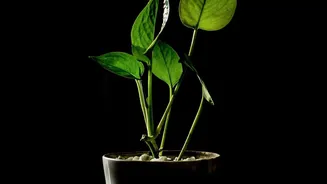
The reason your plant bends towards the window is a natural process called phototropism. Plants have a growth hormone called auxin that dictates how their cells develop. When light consistently hits one side of a plant, the auxin concentrates on the shaded
side, causing those cells to grow longer and faster. This results in the characteristic lean as the plant actively stretches to maximize its access to sunlight for photosynthesis, its energy source. While fascinating, this can lead to an unbalanced, 'leggy' appearance, with weaker stems and uneven foliage if left unchecked.
More Than Just Good Looks
Rotating your plants does more than just create a visually pleasing, symmetrical shape. It promotes stronger, more robust growth overall. When all sides of a plant get a chance to face the light, it develops a sturdier, more upright structure. This even exposure encourages fuller foliage, preventing sparse patches on the side that was always in the shade. Furthermore, turning your plants improves air circulation around the leaves and stems, which can help reduce the risk of pests and fungal diseases that thrive in stagnant conditions. Some experts also note that it can help balance soil moisture, preventing one side of the pot from drying out faster than the other.
The Simple Art of the Turn
Incorporating rotation into your plant care routine is incredibly simple. The most common and easy-to-remember method is to give your plant a quarter-turn each time you water it. This ensures consistency and prevents you from forgetting. Always turn the pot in the same direction to complete a full 360-degree rotation over time. The ideal frequency can depend on your specific conditions. Plants in lower-light situations may benefit from being turned every few weeks, while those in bright light might only need it every month or so. The key is to observe your plants; if you notice a lean starting to develop, it’s time for a turn.
When Not to Rotate
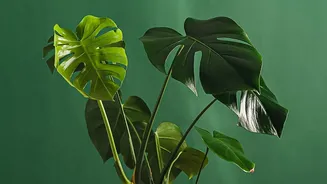
While most houseplants benefit from regular rotation, there are some exceptions. Plants that have a defined 'front' and 'back', like climbing Monsteras or Philodendrons trained on a moss pole, should not be rotated. Doing so can disrupt their natural climbing habit and growth pattern. Another key exception is flowering plants that have already started to form buds, such as certain orchids or Christmas cacti. Suddenly changing their orientation to the light source can cause stress, leading them to drop their buds before they have a chance to bloom. For very large, heavy, or established plants, frequent rotation might be impractical and could risk damage. In these cases, it's best to leave them be or only adjust them seasonally.
Beyond the Spin: Other Tips
Rotation is a powerful tool, but it works best in tandem with other good care practices. If a plant has already become very lopsided, you can rotate it 180 degrees to encourage the shaded side to fill out, though a gradual correction with several quarter turns may be gentler. Strategic pruning is another way to encourage balanced, bushy growth. Don't be afraid to snip off leggy stems to promote a fuller shape. Finally, take the opportunity during rotation to inspect your plants. Check the leaves for dust or pests and remove any dead or yellowing foliage. This regular check-in is one of the best ways to catch potential problems before they escalate.