





What is Operation Economic Outcast?
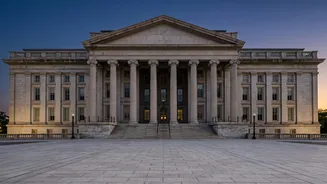
Dubbed an 'economic D-Day' by officials, Operation Economic Outcast is a new initiative by the U.S. Treasury aimed at dismantling the financial networks that support Iran. Rather than just sanctioning Iran directly, this campaign focuses on secondary
sanctions. That means it targets companies, banks, and even entire countries that continue to do business with Tehran, threatening to cut them off from the U.S. dollar system. The stated goal is to sever every economic lifeline sustaining the Iranian regime, from its military programs to its oil trade. Treasury Secretary Scott Bessent announced the operation as an 'unprecedented campaign' intended to force an endgame to the long-standing conflict.
Who Are the New Targets?
The initial wave of sanctions under this operation is extensive, targeting over 60 entities, individuals, and vessels across the globe. These are not just Iranian companies; the list includes firms based in China, Hong Kong, Malaysia, and the United Arab Emirates accused of helping Iran evade existing sanctions. The campaign specifically targets five key sectors of Iran's economy: digital assets and cryptocurrency used to bypass the financial system; technology procurement for military programs; the gold sector used to stabilize its currency; and the aviation and shipping industries that transport illicit goods and oil. This broadens the battlefield, putting international companies that deal in these sectors on notice.
The Strategy of 'Economic Asphyxiation'
This operation represents a shift in U.S. strategy from direct military confrontation to what officials are calling 'economic asphyxiation'. After a period of military strikes, Washington is now betting that intense financial pressure can achieve its foreign policy goals without further armed conflict. The core idea is to make doing business with Iran so costly and risky that its trading partners abandon it. The U.S. is reportedly giving countries a specific timeline to wind down their activities or face penalties. This high-stakes approach is designed to leave Iran totally isolated, creating leverage that previous sanctions campaigns did not.
Global Ripple Effects and Diplomatic Risks
The aggressive focus on secondary sanctions creates significant uncertainty for the global economy. Countries like China, India, and Turkey are major trading partners with Iran, and the new measures could force them into a difficult choice between their economic relationship with Tehran and their access to the U.S. financial system. Experts warn that this could alienate key U.S. allies and partners. Furthermore, the pressure on global oil markets is immense. With Iran having previously responded to pressure by disrupting shipping in the Strait of Hormuz, any escalation could cause energy prices to spike further. For major energy importers like India, the combination of rising oil prices and complex sanctions creates serious economic and diplomatic challenges.
A High-Stakes Gamble
While Washington is presenting the operation as a decisive move, its success is far from guaranteed. Critics argue that Iran has over 40 years of experience in withstanding sanctions and has developed sophisticated methods to bypass them, including shadow banking networks and cryptocurrency. Some analysts suggest this is more of a change in enforcement than a brand-new strategy. There is also the risk that such aggressive unilateral measures could push countries like Iran, China, and Russia closer together, accelerating their efforts to build an alternative financial system that is not dependent on the U.S. dollar. The effectiveness of Operation Economic Outcast will ultimately depend on whether the U.S. is willing to risk major diplomatic and economic fallout with global powers to achieve its goals.