





The Viral Sensation
Over the past couple of years, social media platforms and international news outlets have been flooded with an irresistible story: the Irish government will pay you a handsome sum, sometimes quoted as high as €84,000 (over $90,000), to relocate to one
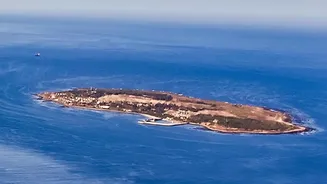
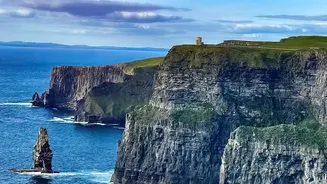
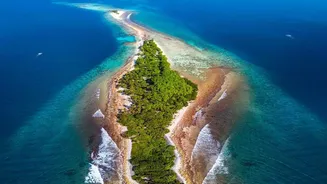
of its picturesque but sparsely populated remote islands. The narrative captured imaginations globally, painting a picture of a simple transaction – move to a windswept paradise like Inis Mór, featured in the film 'The Banshees of Inisherin', and receive a pile of cash. This led to a flurry of inquiries from around the world, from the US to South Africa, from people ready to embrace a new life on the Emerald Isle.
The Government's Reality Check
The story, however, is a classic example of a viral misunderstanding. The Irish government has been forced to clarify repeatedly that it is not paying people to move. A spokesperson for the Department of Rural and Community Development stated clearly that “no payments are being offered to encourage people to move to any of Ireland's islands.” The real initiative behind the headlines is a government policy called "Our Living Islands." Its actual goal is not to hand out relocation bonuses but to support and revitalise the existing communities on about 30 offshore islands that are not connected to the mainland by bridges.
What 'Our Living Islands' Is Really About
Launched in 2023, "Our Living Islands" is a ten-year national strategy designed to reverse the trend of depopulation that threatens these unique communities. Many of these islands have aging populations as young people leave for education and jobs on the mainland. The policy is a comprehensive plan with 80 distinct actions aimed at improving life for current and future residents. This includes investing in high-speed broadband, improving transport links, enhancing healthcare and education services, and supporting local businesses to build a sustainable future for the islands. The focus is on making the islands viable places to live and work long-term, not on funding a fantasy relocation.
The Truth About the €84,000 Grant
The cash figure that went viral is real, but its purpose is widely misunderstood. The money is part of the Vacant Property Refurbishment Grant, a nationwide scheme that gets a 20% funding boost for island properties to cover higher construction costs. This grant provides up to €84,000 to help people renovate a derelict property, or up to €60,000 for a vacant one. The key conditions are that you must first buy and own a qualifying property that has been vacant for at least two years. The money is a reimbursement for approved structural work like fixing roofs or installing new windows; it cannot be used to buy the property itself. Furthermore, the renovated house must become your principal private residence or be used as a long-term rental, not a holiday home.
A Note on 'Travellers' vs. 'Travelers'
The headline's use of the word 'Travellers' requires clarification. In Ireland, 'Travellers' (with a capital 'T') refers to a distinct ethnic group with a nomadic heritage, officially recognized by the state. The viral internet rumour, however, was about 'travelers' in the general sense – i.e., anyone wishing to travel to and live in Ireland. The "Our Living Islands" policy and its associated grants are open to any eligible applicant who can meet the strict criteria, regardless of their background. It is not a program specifically targeted at or excluding any particular group.
Can Foreign Nationals Apply?
This is the biggest hurdle for most international dreamers, including those in India. While there is no nationality requirement to apply for the renovation grant itself, the grant does not give you any right to live in Ireland. A non-EU citizen must separately and independently secure the correct visa and residency permits to live and work in the country. This is a significant challenge, as you would need to qualify for a work permit or prove you can support yourself financially without being a burden on the state. In essence, you must have the right to live in Ireland before you can even consider buying and renovating an old island home.