



The Headline Number Everyone's Watching
The key number setting the tone for India's 2026 festive season is an anticipated retail sales growth of 10-12% for the auto industry. That's the forecast from the Federation of Automobile Dealers Associations (FADA) for the crucial September to November
window. After a record-breaking August that saw passenger vehicle sales jump 36.5% year-on-year, the industry has a strong runway. Automakers have been building up inventory at dealerships in anticipation of this surge, a sign of broad optimism. FADA notes that over 81% of its dealer members are expecting growth, with many already seeing a healthy pipeline of bookings. This double-digit growth expectation isn't just a number; it signals confidence that consumers are ready to make big-ticket purchases.
SUVs and New Launches Fuel the Fire
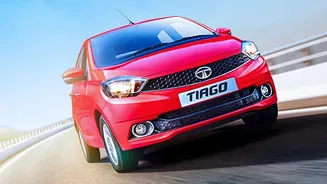
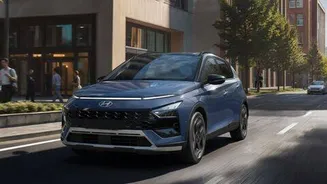
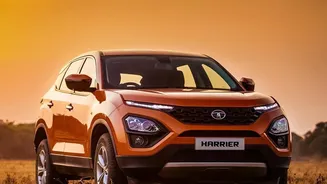
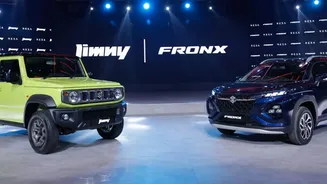
The relentless demand for Sports Utility Vehicles (SUVs) continues to be the primary engine of the passenger vehicle segment. To capture this buyer enthusiasm, manufacturers have timed a flurry of new launches and facelifts right around the festive period. Brands like Tata, Hyundai, and Mahindra are all bringing fresh models to showrooms, from electric versions of popular SUVs like the Tata Safari EV to updated favourites like the Maruti Suzuki Grand Vitara. This strategy of introducing new features, designs, and even entirely new models like the Hyundai Bayon is critical for creating excitement and drawing customers into showrooms. The market has clearly shown its preference for feature-rich, high-stance vehicles, and automakers are responding decisively.
The Tale of Two-Wheelers and Rural Demand
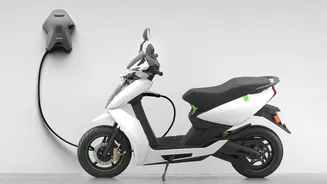
The story for two-wheelers is one of cautious optimism and recovery. This segment is a vital indicator of the health of the rural economy and the sentiment of entry-level buyers. Sales data from July and August showed positive year-on-year growth, with manufacturers like TVS, Honda, and Suzuki reporting strong numbers. This suggests that demand from rural and semi-urban markets is picking up. While a patchy monsoon had initially raised some concerns, the non-farm rural economy has shown resilience, continuing to drive demand. However, the entry-level motorcycle segment, in particular, remains under some pressure due to inflation and the overall cost of ownership. The festive season will be a true test of whether the recovery in rural incomes is strong enough to translate into widespread purchasing.
Favourable Winds and Potential Headwinds
Several factors are creating a positive environment for vehicle sales. Stable interest rates on auto loans, coupled with special festive offers from banks, are making financing more attractive for consumers. This financial accessibility is crucial for converting inquiries into sales. Furthermore, positive consumer sentiment, buoyed by a stable economic outlook, is encouraging spending. However, the industry is not without its risks. The primary concern among dealers is the possibility of festive demand not meeting the high expectations. Additionally, while GST cuts last year provided a significant affordability cushion, successive price hikes by manufacturers have started to narrow that benefit. Keeping an eye on input costs and their potential impact on vehicle prices remains important.