








The Digital Lifeline's Choke Point
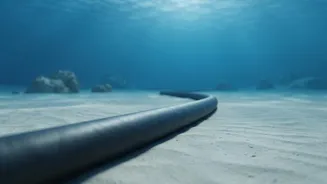
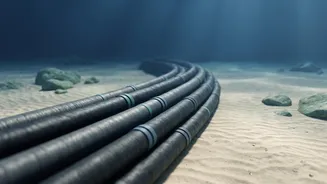
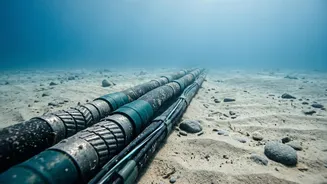
Over 95% of India's international internet traffic is carried by a network of submarine fibre optic cables. While these cables are a marvel of modern engineering, their landing points in India present a significant strategic vulnerability. Of the 18 major
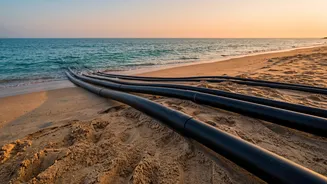
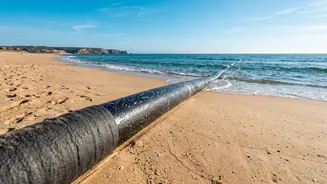
intercontinental cables connecting India to the world, at least 13 come ashore along a single, six-kilometre stretch of Versova beach in Mumbai. This immense concentration means that a single, localized incident—be it a stray ship anchor, a natural disaster, or an act of sabotage—could sever a substantial portion of the country's link to the global internet. This is not a hypothetical risk; incidents in the Red Sea have already demonstrated how easily these vital conduits can be damaged, causing internet speeds to plummet and rerouting traffic.
A Race Against Time, Lost in Paperwork
The vulnerability is compounded by another critical issue: India has no Indian-flagged or owned vessels capable of repairing these deep-sea cables. This means that for any repair work, the country is entirely dependent on foreign vessels. The problem is that these specialized ships can face crippling delays before they can even begin work. Getting the necessary clearances from multiple agencies, including the Department of Telecommunications (DoT), Defence, and Home Affairs, can take weeks, sometimes stretching into months. In sharp contrast, other markets like Singapore or the Philippines can grant similar approvals in just two to three weeks. This bureaucratic bottleneck effectively leaves India's critical digital infrastructure exposed for dangerously long periods after any damage occurs.
The High Cost of an Outage
The economic consequences of a major cable disruption are staggering. India's digital economy is a significant contributor to its GDP, and a prolonged outage would paralyze everything from the IT and BPO sectors to the fintech revolution powered by UPI. Service exports, which stood at over US$340 billion in 2023-24, rely almost entirely on these undersea connections. A disruption would not just mean slower streaming services; it would mean an inability to process international financial transactions, a halt in cloud-based services for countless businesses, and a direct hit to the national economy that runs into billions of dollars. The reliance is so complete that it's considered a matter of national security.
Charting a New, More Resilient Course
Recognizing the severity of this risk, regulatory bodies and industry experts have been calling for urgent reforms. The Telecom Regulatory Authority of India (TRAI) has made several key recommendations, including granting 'critical infrastructure' status to cable landing stations (CLS) and 'essential service' status to submarine cable repairs. This would help streamline the approval process. TRAI has also pushed for the creation of a committee to explore the viability of establishing an Indian-flagged fleet of repair vessels, potentially through government incentives. Furthermore, there is a strong push to diversify cable landing points away from Mumbai, with new stations planned or suggested for locations like Digha in West Bengal and various sites in Gujarat to de-risk the network. The goal is to build a more distributed and resilient infrastructure that can withstand shocks and ensure India's digital future is not dependent on a single point of failure.