



Imagine trading car horns for the gentle rhythm of hoofbeats, exploring ancient Roman roads and medieval villages not through a window, but from the saddle. This is the magic of equestrian tourism in Portugal, a unique way to connect with history.
A Different Kind of Journey
Forget
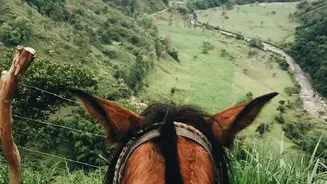
standard tours and crowded buses. Horse riding through Portugal’s heritage sites offers a slower, more immersive way to travel. It’s about following ancient bridleways that crisscross the countryside, connecting historic towns, forgotten ruins, and breathtaking landscapes. This style of travel allows you to access remote areas and experience the country’s rural heartland in a way that’s both adventurous and deeply connected to the past. The focus is on appreciating the journey itself, moving at a pace that lets you absorb the sights, sounds, and scents of the Portuguese countryside, from rolling cork forests to vast, sun-drenched plains.
The Noble Lusitano: Your Partner on the Trail
Central to this experience is the Pure Blood Lusitano horse, a breed native to Portugal renowned for its intelligence, agility, and willing temperament. These horses are not just a mode of transport; they are your partners in discovery. Descended from ancient Iberian war horses, Lusitanos are known for their strength, comfort, and sure-footedness on varied terrain, making them ideal for long-distance trails. Many of the horses used for heritage tours are exceptionally well-schooled, some even trained in classical dressage, ensuring a responsive and enjoyable ride for intermediate to experienced riders. Riding a Lusitano is a cultural experience in itself, connecting you to centuries of Portuguese equestrian tradition.
Exploring the Alentejo Heartland
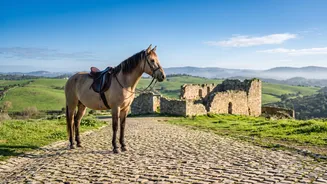
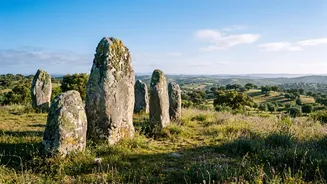
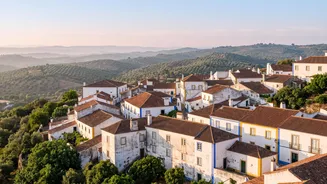
The Alentejo region is arguably the epicentre of heritage horse riding in Portugal. This vast, sparsely populated area is known for its rolling plains, cork oak forests, vineyards, and whitewashed villages. Riders can explore trails that lead to megalithic tombs, Roman ruins, and medieval castles perched atop dramatic hills. Routes often follow old smugglers' paths or ancient roads, offering a tangible link to the past. A ride might take you to the walled village of Marvão or the historic fortress of Monsaraz, with sweeping views over the Alqueva Lake. The region's blend of natural beauty and rich history makes it a perfect canvas for an equestrian adventure.
From Mountains to the 'Blue Coast'
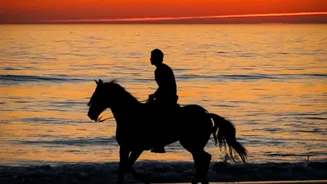
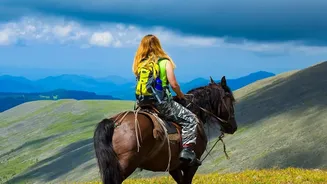
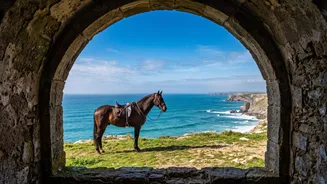
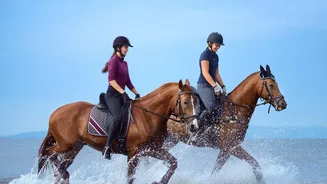
Beyond the Alentejo plains, other regions offer equally compelling experiences. In the north, trails wind through the mountains and valleys of the Peneda-Gerês National Park, where you might even spot wild Garrano horses. Meanwhile, the Costa Azul, or 'Blue Coast', provides a different kind of heritage trail, combining inland rides through pine forests and rice paddies with exhilarating gallops along deserted Atlantic beaches. These coastal trails often pass through traditional fishing villages and nature reserves, offering glimpses of wildlife like storks and flamingos in the lagoons. The variety of landscapes ensures that there is a heritage ride to suit every taste.
Life on the Trail
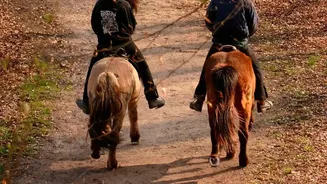
A typical day on a multi-day ride involves four to six hours in the saddle, covering varied terrain with opportunities for long, satisfying canters. Lunches are often generous picnics in a scenic spot, featuring local cheeses, meats, and wines. Evenings are spent in charming, character-filled accommodations. These can range from renovated farmhouses known as 'quintas' to historic 'pousadas'—castles, monasteries, and manor houses that have been converted into luxury hotels. This combination of rustic adventure by day and comfortable hospitality by night is a hallmark of the experience, offering a full immersion in Portuguese culture and cuisine.
Planning Your Portuguese Riding Adventure
Numerous operators offer guided tours, typically lasting from a few days to a full week. These tours are best suited for intermediate to advanced riders who are comfortable at all paces and fit enough for several hours of riding per day. Most tour operators provide well-cared-for horses and all necessary tack, though it's wise to bring your own appropriate riding attire. The best times to go are in the spring and autumn, when the weather is pleasant and the countryside is at its most beautiful. When booking, be sure to honestly assess your riding ability to ensure you are matched with a suitable horse and tour for a safe and enjoyable journey.