

A Superfood's Sweet Comeback
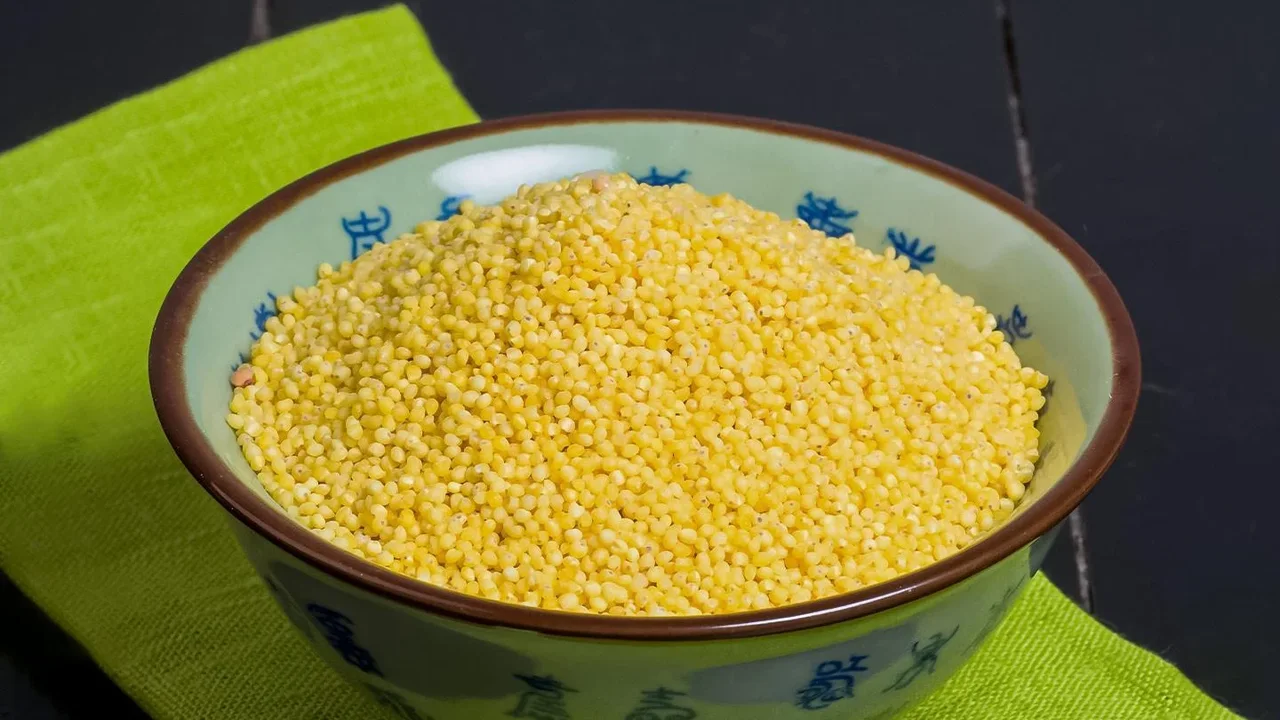
Not long ago, millets were often seen as old-fashioned grains, largely sidelined after the Green Revolution favored wheat and rice. However, a powerful resurgence is underway. This revival was significantly boosted by the United Nations declaring 2023
the International Year of Millets, an initiative proposed by India to raise awareness of their nutritional and environmental benefits. This global spotlight, combined with a domestic push, has encouraged consumers and chefs alike to rediscover these ancient grains. Once stereotyped as bland, millets are now being celebrated for their versatility, popping up in everything from breakfast porridge to gourmet meals, and now, decadent desserts. This shift isn't just about following a trend; it's about recognizing the immense potential stored in these tiny seeds.
The Undeniable Health Appeal
A huge driver of the millet dessert trend is the growing health consciousness among Indian consumers. People are actively seeking alternatives to desserts loaded with refined flour (maida) and processed sugar, which are linked to lifestyle diseases. Millets offer a compelling solution. They are naturally gluten-free, making them a godsend for those with sensitivities. Furthermore, they are packed with fibre, protein, and essential minerals like iron and magnesium. Many millets also have a lower glycemic index compared to refined grains, which helps in managing blood sugar levels—a crucial benefit for a nation with rising diabetes rates. As a result, enjoying a millet-based brownie or kheer feels less like a guilty pleasure and more like a nourishing indulgence.
Where Tradition Meets Innovation
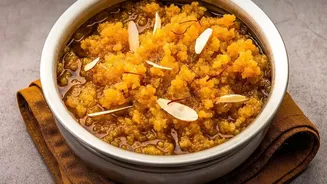
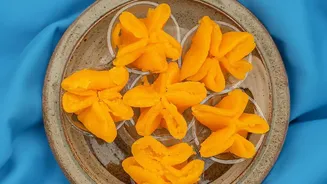
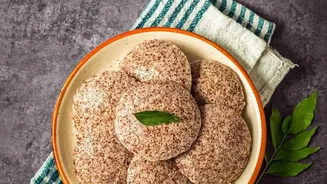
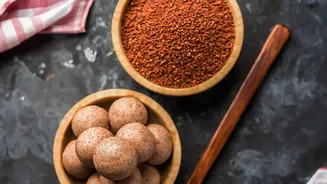
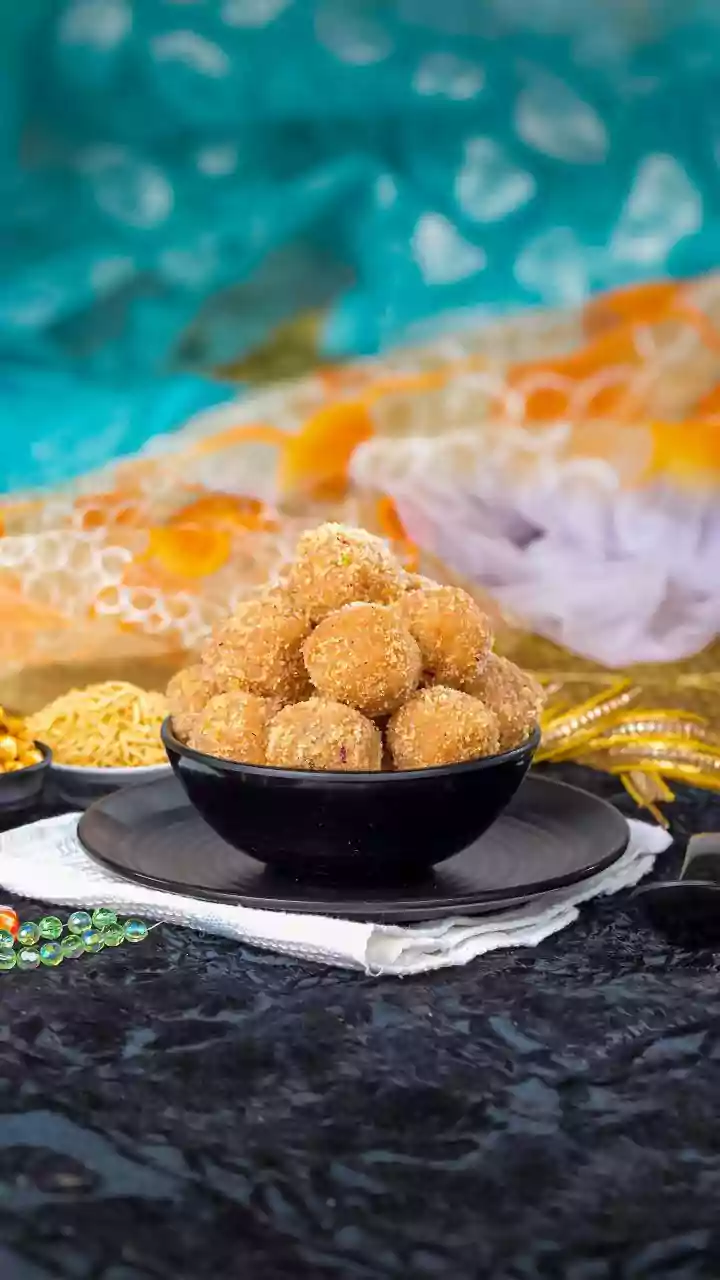
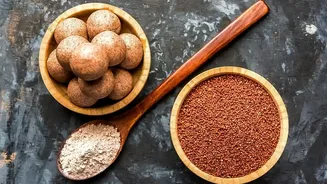
While millet desserts might seem novel, they are deeply rooted in Indian culinary traditions. For centuries, regional sweets have utilized grains like ragi (finger millet) and bajra (pearl millet) to make ladoos, halwas, and other festive treats. What’s new is the fusion of these traditional ingredients with modern and global dessert formats. Chefs and home bakers are now using millet flours to create everything from ragi chocolate brownies and foxtail millet cookies to bajra cheesecakes and barnyard millet kesari. This culinary creativity is transforming perceptions, showing that traditional grains can be exciting and contemporary. Chefs are replacing rice in classic kheers and payasams with barnyard or foxtail millet and creating new versions of Goan bebinca and Tamil paal kozhukattai using millet flours.
A Sustainable and Smart Choice
The significance of millets extends beyond the plate to the planet. These grains are known for their climate resilience; they require significantly less water than rice and wheat and can thrive in arid conditions and on marginal lands. This makes them an environmentally friendly crop and a smart choice for farmers facing unpredictable weather patterns. By creating a growing consumer demand for millets through innovative products like desserts, the food industry can help support farmers' livelihoods and promote a more sustainable agricultural system. This connection between consumption, health, and agriculture suggests the millet dessert trend is more than a fleeting fad; it’s part of a larger, more meaningful food movement.