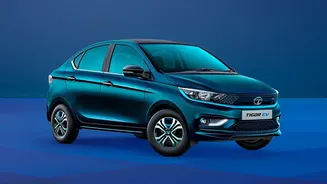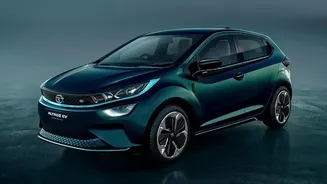






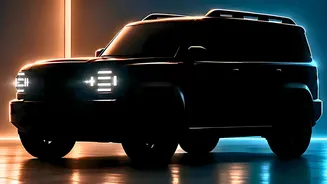

Planning to buy a new Tata car? The company has just announced a price hike across its entire passenger vehicle lineup — including EVs — starting December 1, 2026. Here’s a breakdown of what’s changing and the reasons behind the move.
What is the Official Announcement?
Tata Motors Passenger
Vehicles (TMPV) confirmed that it will implement an average price increase of 0.5% across its entire portfolio from the beginning of December 2026. This isn't a selective adjustment; the hike covers the full spectrum of the company's offerings, from its popular internal combustion engine (ICE) cars and SUVs to its market-leading electric vehicles. The company has stated that while it is absorbing a significant portion of the increased costs, this revision is necessary to offset some of the financial pressures it faces. This marks the fourth time Tata has revised its prices in 2026, following similar announcements earlier in the year, indicating a persistent trend across the auto industry.
The Key Driver: Persistent Input Costs
The primary reason cited for the price hike is the continuous and elevated cost of raw materials. Automakers are grappling with what has been described as a 'hyperinflationary commodity environment'. Key industrial metals like steel and copper, which are fundamental to car manufacturing for everything from the chassis to complex wiring systems, have seen significant price surges. Beyond metals, the costs of polymers and rubber used in interiors, bumpers, and tyres have also climbed. These sustained increases in commodity prices put direct pressure on production margins. While manufacturers often try to absorb these costs through internal efficiency measures, the persistent nature of this inflation has made it necessary to pass a fraction of the burden onto consumers.
EVs Are Not Immune to Price Changes
A significant aspect of this announcement is the inclusion of Tata's electric vehicle lineup, including popular models like the Nexon EV and Tiago EV. While EVs have a different cost structure, they are also subject to inflationary pressures. The prices of battery cells, a major component of an EV's cost, can fluctuate based on the global supply and demand for materials like lithium and cobalt. Furthermore, the advanced electronics, wiring, and structural components used in EVs are also affected by the same commodity price increases hitting the ICE vehicle market. This move demonstrates that as EVs become more mainstream, their pricing strategy is increasingly intertwined with the broader economic forces affecting the entire automotive sector.
The Lingering Impact of Regulations
Another factor contributing to the rising cost base for all automakers is the transition to stricter emission standards. The implementation of Bharat Stage 6 (BS6) Phase 2 norms, which include Real Driving Emissions (RDE) testing, required significant investment from manufacturers. Cars now need more advanced hardware, including additional sensors and more sophisticated exhaust after-treatment systems, to meet these stringent real-world emission targets. These upgrades, which also involved new software and semiconductor configurations, added to the fundamental production cost of every vehicle, whether petrol, diesel, or CNG. While this was a one-time regulatory transition, its impact on the baseline cost of vehicles continues to be a factor in overall pricing.
What This Means For You, the Buyer
If you're in the market for a new Tata vehicle, this announcement means you have a small window to purchase a car at its current price before the hike takes effect on December 1. A 0.5% average increase may seem small, but on higher-end models and variants, it can translate to a noticeable price difference. For example, a car priced at ₹10 lakh would see an increase of ₹5,000, while a top-end SUV priced at ₹25 lakh would become ₹12,500 more expensive. The exact increase will vary by specific model and variant. It is advisable for prospective buyers to contact their local dealerships immediately to understand the final pre-hike and post-hike pricing, check on waiting periods, and inquire about any price protection policies that may apply to existing bookings.