






A Go-To Remedy Rooted in Tradition
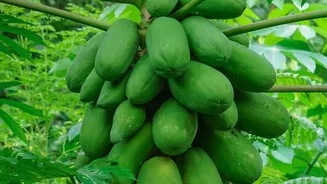
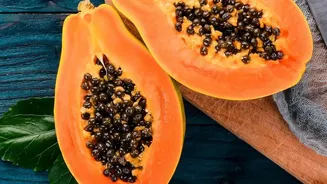
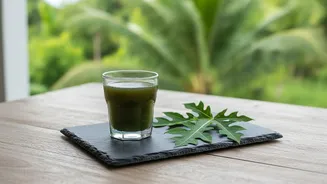
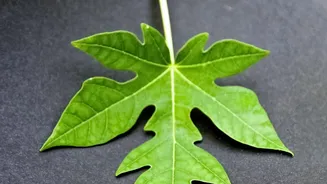
In countless Indian households, the first sign of dengue fever—a sharp drop in blood platelets—prompts an immediate, almost automatic response: preparing papaya leaf juice. This traditional remedy, known for its intensely bitter taste, is widely believed
to help stabilise and increase platelet counts, a key concern in dengue management. The belief isn't just anecdotal; it's a core part of how many families navigate the anxiety of a dengue diagnosis. The use of Carica papaya leaf extract is so common that for many, it’s not a question of 'if' but 'how much' to consume. This trust stems from years of shared experience and a cultural reliance on natural remedies, especially for ailments where modern medicine offers only supportive care.
What Do Existing Studies Show?
The scientific community has taken notice of this popular remedy, and several small-scale studies have investigated its effects. A number of these preliminary studies and case reports do suggest a positive correlation between consuming papaya leaf extract and a rise in platelet counts in dengue patients. Some research indicates that compounds in the leaves may help support platelet production and possess anti-inflammatory and immune-regulating properties. However, many of these studies have significant limitations. According to medical experts and systematic reviews, the evidence remains weak due to small sample sizes, inconsistent dosing, and a lack of robust control groups. While the platelet numbers may tick upward, there is currently no solid data showing that the extract improves survival or prevents severe complications like plasma leakage or bleeding.
The Crucial Need for Large-Scale Trials
This is where the headline's core message comes into play. For a treatment to be officially recommended by health bodies, it must pass the gold standard of medical evidence: large, multicenter, randomized controlled trials (RCTs). These trials are designed to eliminate bias and prove definitively that a treatment is both safe and effective. Currently, there is insufficient high-quality clinical evidence to support the routine use of papaya leaf extract in dengue management. Researchers and doctors argue that without these large-scale studies, it’s impossible to establish a safe, effective, and standardized dose. The concentration of active compounds can vary wildly between homemade preparations and unregulated commercial products, making consistent treatment difficult. Ongoing and future trials aim to answer these critical questions, but until then, the remedy remains in the realm of promising but unproven therapies.
The Hidden Risks of Relying on Home Remedies
The biggest danger of relying solely on papaya leaf juice isn't necessarily the juice itself, but the potential for delayed medical care. Doctors warn that patients who place their faith in home remedies may put off visiting a hospital or getting crucial blood tests. This delay can be critical, as it allows warning signs of severe dengue—such as plasma leakage, severe abdominal pain, or bleeding—to go unnoticed until the situation becomes life-threatening. Furthermore, fixating on the platelet count alone is a common mistake; a patient can develop serious complications even when their platelet levels seem stable. Side effects of the extract itself, though usually minor, can include nausea and stomach upset. There is also a risk of interacting with other medications, such as blood thinners.