


Rediscovering Our Culinary Roots
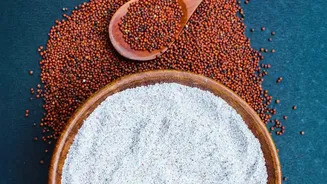
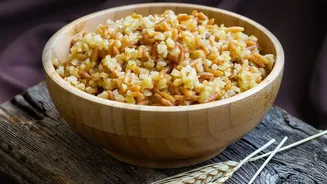
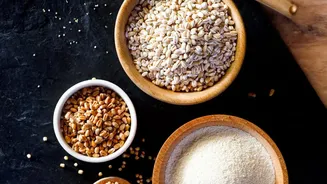
Before polished white rice and refined wheat became ubiquitous, a diverse array of traditional grains formed the foundation of Indian meals. Millets like jowar (sorghum), bajra (pearl millet), and ragi (finger millet) were staples, perfectly adapted to local
climates and cherished for their versatility. These grains, often called 'nutri-cereals', were integral to regional cuisines for thousands of years but were gradually sidelined, sometimes perceived as food for the poor. Now, a growing consciousness around health, sustainability, and culinary heritage is bringing them back into the spotlight, driven by a global movement recognized by the United Nations' declaration of 2023 as the International Year of Millets, an initiative proposed by India.
A Nutritional Powerhouse
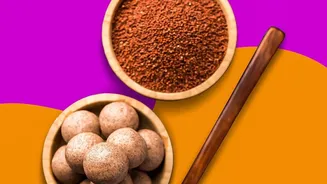
The resurgence of these grains is heavily backed by science. Compared to their refined counterparts, millets are nutritional powerhouses. They are naturally high in dietary fibre, which aids digestion and promotes a feeling of fullness, assisting in weight management. Many are gluten-free, making them an excellent choice for those with sensitivities. Grains like ragi are exceptionally rich in calcium, while bajra is a great source of iron and protein, and jowar is packed with antioxidants. Furthermore, their low glycemic index helps in the slow release of sugar into the bloodstream, making them ideal for managing blood sugar levels and reducing the risk of diabetes.
Good for the Planet, Good for the Farmer
The benefits of traditional grains extend far beyond the plate. Millets are celebrated for their climate resilience. They are hardy crops that can thrive in arid conditions, on poor soil, and with significantly less water than rice and wheat. For instance, producing one kilogram of rice can require up to 5,000 litres of water, whereas millets need only a fraction of that. Their cultivation often requires fewer chemical fertilizers and pesticides, which reduces the environmental impact of farming and helps improve soil fertility. This makes them a sustainable choice for farmers, enhancing agricultural biodiversity and providing a reliable livelihood in an era of climate change.
From Humble Fare to Haute Cuisine
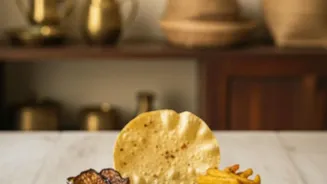
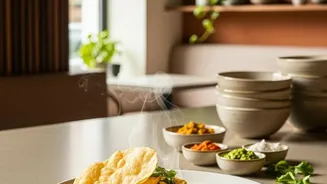
Chefs across India are leading the charge in transforming the perception of these grains from 'humble' to 'haute'. Visionary culinary artists are showcasing the versatility and unique flavours of millets in innovative ways. You might find a bajra khichdi with a parmesan twist at a fine-dining restaurant in Delhi, or a ragi brownie on a cafe menu in Bengaluru. Chefs like Anahita Dhondy and Vikas Chawla have become prominent advocates, creating contemporary recipes and even entire millet-based menus. From millet risottos and pancakes to dosas and fermented breads, restaurants are proving that these grains can be both nutritious and gourmet, reintroducing them to a new generation of diners in exciting and delicious forms.
Bringing Heritage Home
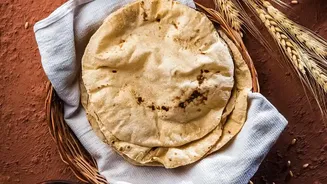
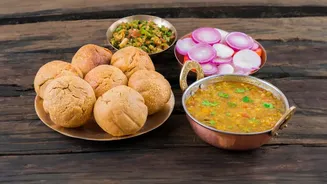
The trend that starts in restaurants invariably finds its way into home kitchens. The renewed interest in traditional grains is making them more accessible than ever. For the home cook, incorporating them can be simple and rewarding. You can start by swapping puffed rice in bhel for roasted jowar or bajra flakes for a healthier crunch. Try making rotis from jowar or bajra flour, a staple in many Indian households. Ragi flour can be used to make nutritious porridge, dosas, or even cookies and pancakes. Even replacing one meal a day based on refined grains with a millet-based one can significantly boost your intake of fibre and essential minerals, connecting your daily meals to a rich and sustainable culinary tradition.