
Meet PRIMA: NASA's Next Cosmic Explorer
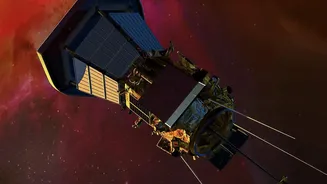
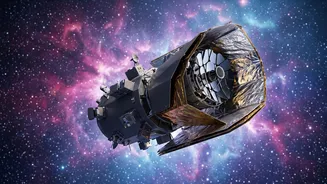
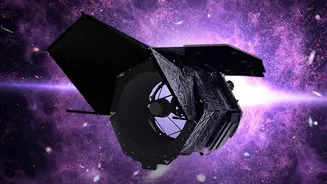
NASA recently announced it is moving forward with the PRobe far-Infrared Mission for Astrophysics, or PRIMA. This new space telescope represents the first in a new class of missions called Probe Explorers, designed to fill a crucial gap between smaller,
focused projects and massive, multi-billion-dollar flagships like the James Webb Space Telescope (JWST). The recommendation for this new mission class came from the 2020 Decadal Survey, a report outlining the scientific community's priorities. PRIMA will feature a 5.9-foot (1.8-meter) mirror and is targeted for launch no earlier than 2033 for a five-year mission. It will be managed by NASA's Jet Propulsion Laboratory and involves international partners from several space agencies, including those of Canada, Germany, and the UK.
Seeing the Universe in a Different Light
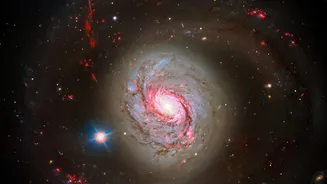
PRIMA is designed to see the universe in far-infrared light, a range of wavelengths longer than what our eyes or even the JWST can see. This is critically important because many cosmic processes are hidden from view. Cool objects like ageing stars, cosmic dust clouds, and developing planets radiate most of their energy in the infrared. Furthermore, visible light is often blocked or scattered by dense clouds of interstellar dust. Far-infrared light can pass through this dust, allowing astronomers to peer into the obscured hearts of stellar nurseries and the turbulent centers of galaxies. By bridging the gap between existing infrared observatories and ground-based radio telescopes, PRIMA will provide a more complete picture of cosmic events.
Answering Fundamental Cosmic Questions
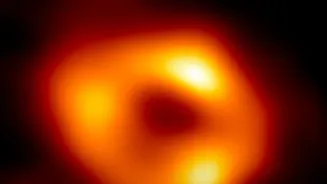
The scientific goals for PRIMA are ambitious and wide-ranging. A primary focus will be on planet formation, specifically investigating the role of water in the birth of new worlds. Scientists cannot address key questions about water's role with JWST, as the necessary spectral lines are only visible in the far-infrared. Beyond planet formation, PRIMA will trace the evolution of galaxies and their central supermassive black holes over cosmic history. It will also study how dust and heavy elements, the building blocks of planets and life, have accumulated throughout the universe. According to Nicky Fox, an associate administrator at NASA, the mission will help us understand everything from the formation of stars to how water on Earth came to be.
Big Science on a Leaner Budget
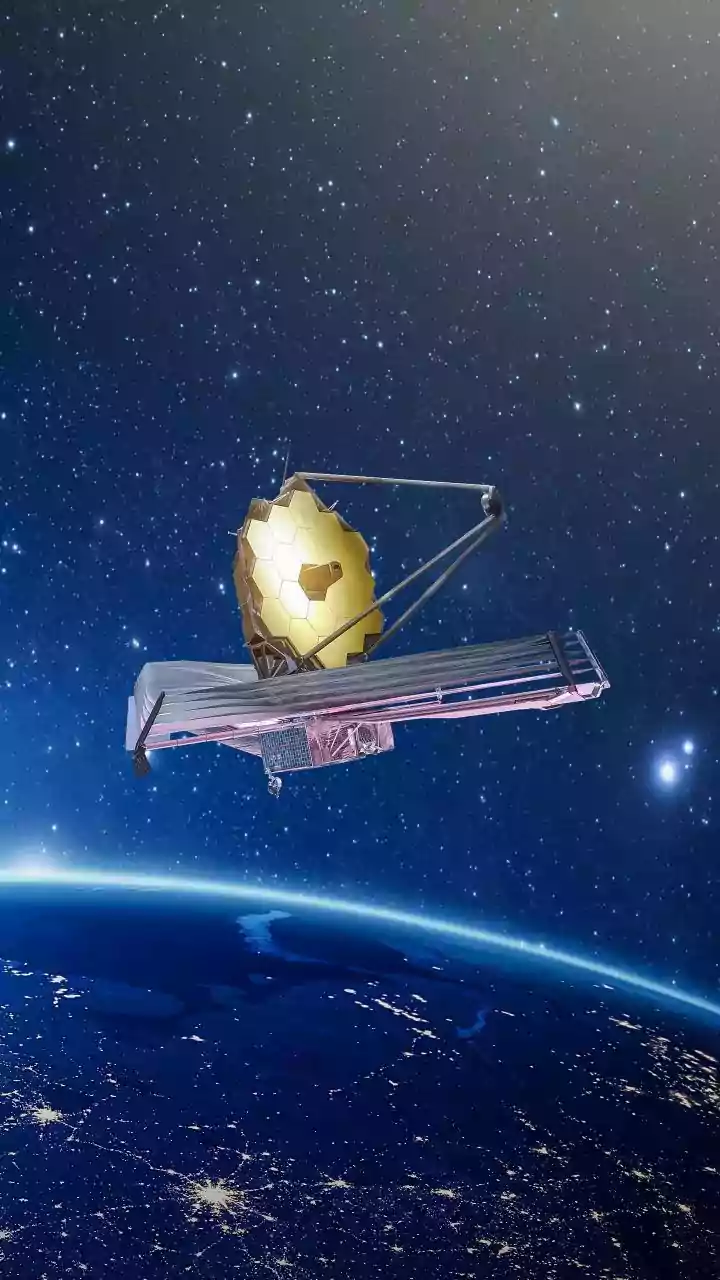
Perhaps one of the most significant aspects of the PRIMA mission is its cost cap. The project's cost is limited to $1.2 billion, not including the launch vehicle. This stands in stark contrast to the JWST, which cost approximately $10 billion at launch. This budget represents a strategic shift for NASA, establishing a middle tier of highly capable but more cost-effective observatories. The Probe Explorer program aims to deliver high-priority science without the immense financial strain of a flagship mission, allowing for a more consistent cadence of major new projects. The mission has now entered 'Phase B', a stage where the preliminary design and technology are developed and refined before a final confirmation review determines if it is ready for full implementation.