




A New Wave in Indian Travel
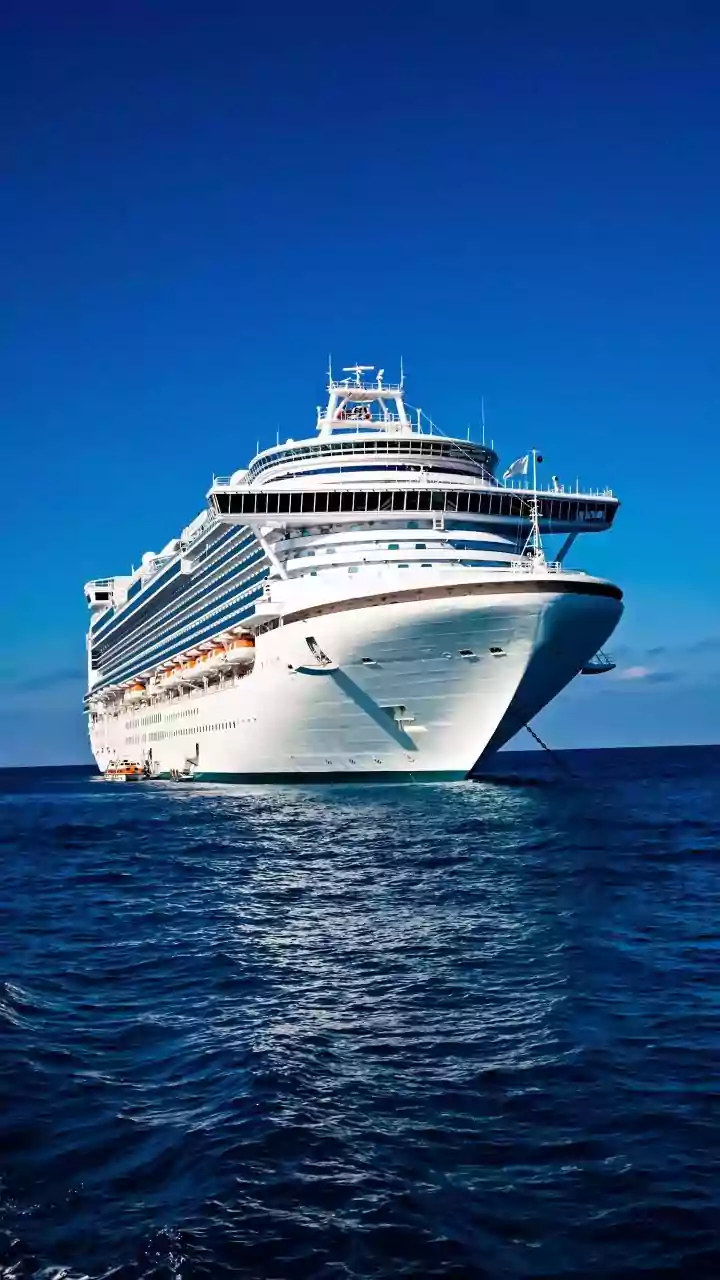
India is steering a bold course into the global tourism market, with ambitious plans to become a premier cruise hub. The government is actively promoting cruise tourism through initiatives like the Sagarmala Programme and the 'Cruise Bharat Mission',
which aim to significantly upgrade port infrastructure and streamline policies. The goal is to increase cruise passenger traffic from nearly half a million to four million and grow the sector's revenue to INR 35,500 crore by 2041. This push involves developing new terminals, simplifying visa processes with e-Group visas, and encouraging international lines like Costa, MSC, and Royal Caribbean to expand their Indian itineraries. The vision is clear: to leverage India's vast 7,500-kilometre coastline and extensive network of navigable rivers to offer a new, comfortable, and captivating way to explore the country.
Ocean Journeys and River Sagas
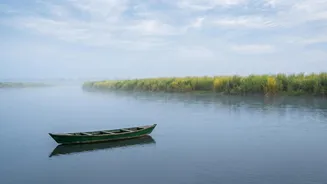
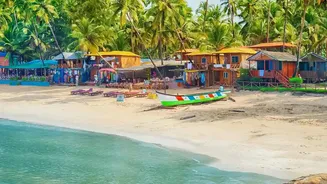
The expansion of cruise tourism in India is unfolding across two distinct domains: deep-sea ocean voyages and culturally immersive river cruises. Ocean liners now connect major coastal cities like Mumbai, Goa, Kochi, and Chennai, and are even charting courses to destinations like the Lakshadweep islands and Sri Lanka. These journeys are designed to act as floating gateways to the mainland, with upgraded terminals and better connectivity making it easier for travellers to embark on inland adventures. Simultaneously, river cruises are gaining immense popularity, navigating sacred waterways like the Ganga and the mighty Brahmaputra. These voyages offer a slower, more intimate travel experience, allowing passengers to witness life along the riverbanks and access remote heritage sites that are otherwise difficult to reach.
The Ganga Vilas Blueprint
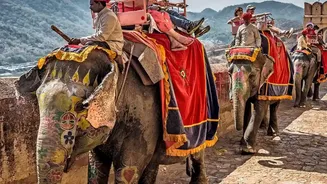
A shining example of India's river cruise potential is the MV Ganga Vilas, which holds the title of the world's longest river cruise. This luxurious, 18-suite vessel embarks on a remarkable 51-day journey from the spiritual heartland of Varanasi to Dibrugarh in Assam, traversing over 3,200 kilometres through 27 different river systems in India and Bangladesh. The itinerary is a masterclass in integrated tourism, weaving together visits to 50 destinations that include UNESCO World Heritage sites, national parks like Kaziranga, ancient cities, and revered river ghats. The Ganga Vilas experience demonstrates how a river cruise can be more than just travel; it's a curated exploration of a region's spiritual soul, cultural fabric, and natural wonders, all from the comfort of a modern vessel.
Connecting Coasts with Culture and Wildlife
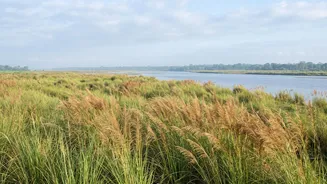
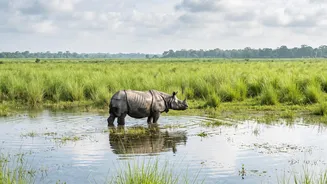
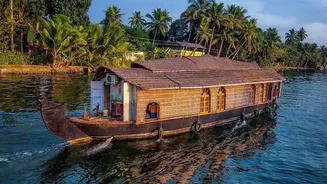
The strategy isn't just to keep tourists at sea. Instead, cruises are being positioned as a seamless link to India's other tourism strengths. A passenger might disembark from a cruise in Kochi and travel to a serene wellness retreat in the Kerala backwaters. Someone docking in Mumbai could join a tour exploring the region's rich history or burgeoning food scene. Recent reports highlight how cruise tourism is driving the development of hospitality and retail hubs around port terminals. Similarly, river cruises on the Brahmaputra are designed to include excursions to wildlife sanctuaries like Kaziranga National Park, famous for its one-horned rhinoceroses. This approach creates a holistic travel circuit, where the cruise is the comfortable conduit connecting coastal beauty with inland spiritual journeys, wellness escapes, and thrilling wildlife encounters.
An All-Encompassing Experience for a New Era
By adding cruises to its already diverse tourism portfolio, India is catering to a wider range of travellers and creating a more resilient, year-round industry. This approach provides a comfortable and accessible option for multi-generational families and older tourists who might find extensive road travel challenging. Economically, the benefits are substantial, boosting local economies through spending on hospitality, transportation, and local handicrafts. The 'Cruise Bharat Mission' aims to create a comprehensive ecosystem that not only attracts international tourists but also encourages domestic travellers to discover their own country's maritime and riverine heritage. It's a vision where a single Indian holiday can blend the thrill of an ocean journey with the peace of a yoga retreat, the history of ancient temples, and the wildness of a national park.