





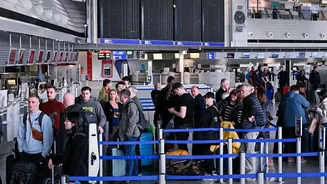


The Undeniable Urge to Travel
The trend is clear: Indians are travelling abroad in growing numbers, a movement driven by a potent mix of factors. A key driver is the post-pandemic urge to make up for lost time, often dubbed 'revenge travel'. This, combined with rising disposable incomes,
better air connectivity, and easier visa access to several nations, has created a resilient appetite for international tourism. The market is projected to grow significantly, with outbound tourism spending expected to jump from USD 23.4 billion in 2026 to nearly USD 68.8 billion by 2036. For many, especially millennials and Gen Z, a trip abroad is no longer a once-in-a-lifetime event but a regular part of their lifestyle, fueled by a desire for new experiences and cultural immersion.
The Soaring Cost of Flying
This travel boom is happening despite a major financial hurdle: sky-high air ticket prices. A perfect storm of global factors is to blame. Geopolitical tensions have led to airspace restrictions, forcing airlines to take longer, less fuel-efficient routes, particularly on long-haul sectors like India to Europe. This, coupled with volatile aviation fuel prices, has led airlines to add significant fuel surcharges to their fares. For example, what used to be a ₹45,000 round-trip ticket to Europe can now easily cost between ₹80,000 and ₹1.2 lakh. Airlines have also been slow to restore their full pre-pandemic capacity, and with demand outstripping supply, prices have naturally risen. Industry experts suggest that a significant drop in prices is unlikely in the short term.
Top Destinations on the Radar
So, where are these determined travellers headed? Short-haul destinations remain incredibly popular. Southeast Asian countries like Thailand, Vietnam, Malaysia, and Indonesia (particularly Bali) continue to attract droves of Indian tourists, thanks to their affordability, cultural appeal, and relatively simple visa procedures. Dubai also remains a perennial favourite for its mix of luxury, shopping, and family-friendly attractions. For those willing to spend more, Europe is a major draw, with multi-country tours covering France, Switzerland, and Italy being particularly trendy. A growing number of travellers are also looking beyond the obvious, with destinations like Japan and even parts of Africa gaining traction as Indians seek more unique and in-depth experiences.
Why We're Still Willing to Pay
The willingness to absorb these higher costs reveals a fundamental shift in spending priorities. For many, travel is now seen as a non-negotiable expense, an investment in experiences rather than a discretionary luxury. Instead of cancelling plans, travellers are becoming more strategic. Budgets are being reshuffled and expanded; what might have cost ₹2-3 lakh for a trip now requires ₹3-5 lakh. Many are booking further in advance to secure better prices, choosing flexible dates, or even opting for alternative routes with longer layovers to manage costs. This indicates that while price-sensitive, the underlying demand is strong enough to adapt rather than disappear. It's no longer a question of 'if' they will travel, but 'how' they can make it happen.
Smart Strategies in a Costly Era
Navigating the new cost of travel requires a savvy approach. Booking flights and accommodations as part of a package can sometimes offer better value than booking separately. Being flexible with travel dates and avoiding peak seasons like summer holidays can lead to significant savings; shoulder seasons like September-October often provide a sweet spot of good weather and lower prices. For budget-conscious travellers, exploring countries that offer visa-free or visa-on-arrival facilities can also reduce upfront costs and hassle. Finally, while managing airfare is key, travellers are also becoming more conscious of other expenses, with foreign exchange costs emerging as a significant concern, prompting many to look for transparent, low-fee options for their spending money.