


The Lush, Unexpected Black Sea Coast
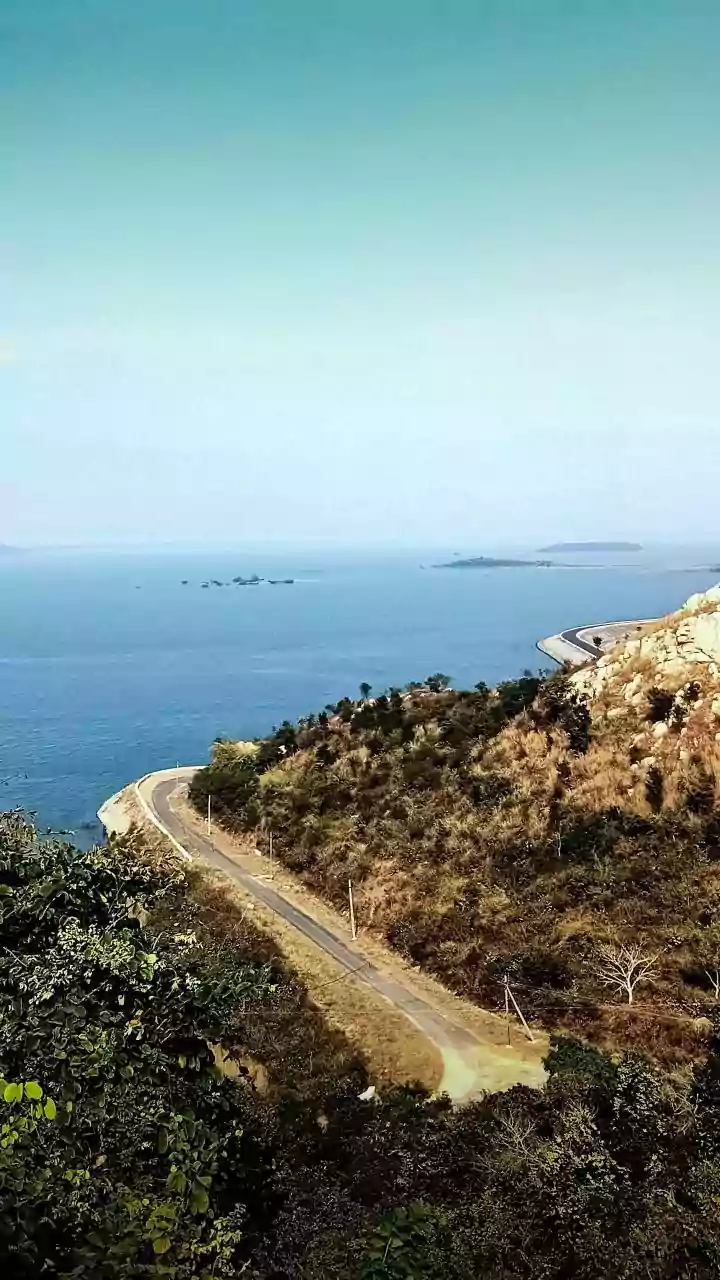
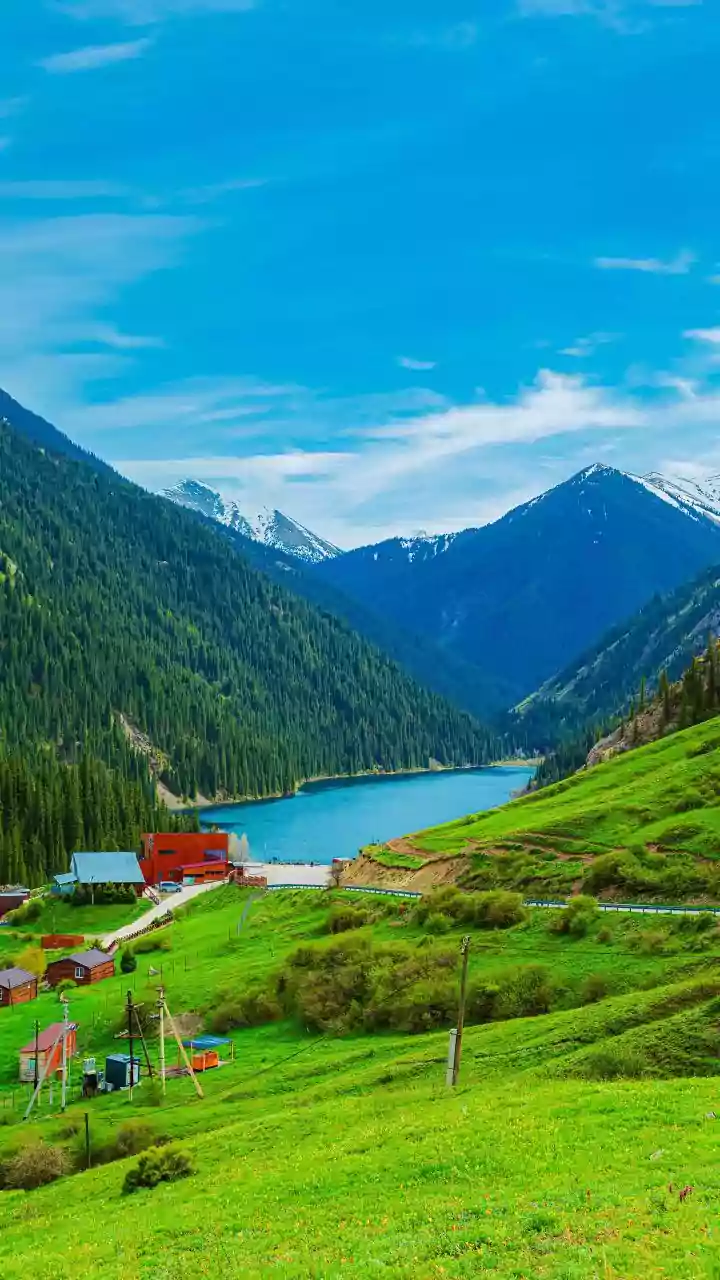
Forget the sun-baked ruins for a moment and picture this: vibrant green hillsides cascading down to a dramatic, misty coastline. This is Turkey's Black Sea region, a world away from the Mediterranean's familiar blue. Stretching from near Istanbul to the Georgian
border, this area is defined by its relentless greenery, fueled by a damp climate that keeps it lush and cool. It’s a land of terraced tea plantations, especially around the city of Rize, known as the nation's tea capital. The journey here is about a slower pace. You can explore hidden gems like the Sumela Monastery, a breathtaking structure built into a sheer cliff face, or wander through the charming Ottoman-era houses of Amasya. The coastal highway connects a string of refreshingly authentic fishing villages and port towns like Amasra that have yet to be overrun by mass tourism. This region offers a narrative of pastoral beauty and distinct local culture.
Eastern Anatolia: A Journey to the Dawn of Time
For the truly adventurous, Eastern Anatolia offers a story of biblical proportions. This is a rugged, profound landscape that feels like stepping back into the very origins of civilization. The star attraction is Göbekli Tepe, a UNESCO World Heritage site near Şanlıurfa that has completely reshaped our understanding of human history. These monumental stone circles are considered among the world's earliest known religious structures, predating Stonehenge by thousands of years. Further exploration leads to Mount Nemrut, where colossal stone heads of ancient gods, remnants of a forgotten kingdom, stare out from a mountain summit at sunrise. Cities like Mardin, a stunning hilltop collection of golden stone architecture overlooking the Mesopotamian plains, offer a cultural blend of Turkish, Kurdish, and Syriac heritage that feels like a different country altogether.
The Quieter Coasts of Lycia and Caria
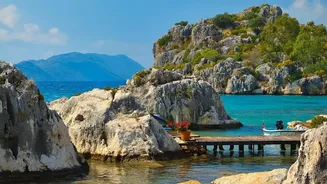
The Turquoise Coast is famous for its resorts, but its real magic lies along ancient hiking paths that connect quiet coves and sunken ruins. The Lycian Way and the Carian Trail are long-distance footpaths that offer a more intimate encounter with the Mediterranean. The Carian Trail, Turkey's longest, weaves through 850km of unspoiled landscapes, from the Datça and Bozburun peninsulas to the Gulf of Gökova. This is not just a hike; it’s a journey through history, passing ancient city ruins like Loryma and Amos, and traditional villages where you can experience genuine hospitality. The Lycian Way, running between Fethiye and Antalya, links together spectacular archaeological sites like Patara and Myra with secluded beaches and forested trails. Choosing a small section to explore on foot or by boat reveals a version of the coast far removed from the crowded beach resorts, telling a story of ancient civilizations and their relationship with the sea.
Central Anatolia's Historical Soul
While Cappadocia rightly draws crowds, the Anatolian heartland holds other stories for those willing to look. Konya, a major city in the region, is a spiritual destination for Sufis, centered around the tomb of the poet Rumi. Here, you can witness the mesmerising whirling dervish ceremony and immerse yourself in a deeply spiritual aspect of Turkish culture. Not far from the main tourist trail, you can find beautifully preserved Ottoman towns like Safranbolu, a UNESCO site filled with timber-framed mansions and charming local markets. These towns offer a glimpse into the architectural and cultural life of the Ottoman era, providing a historical narrative that complements the geological wonders of nearby Cappadocia. Ankara, the nation's capital, is often overlooked by tourists but contains some of the country's most important museums, offering a comprehensive history of the many civilisations that have called Anatolia home.