








A Landmark Commitment to Renewal
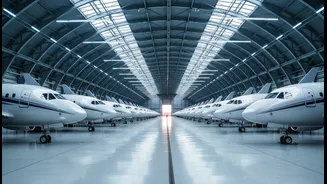
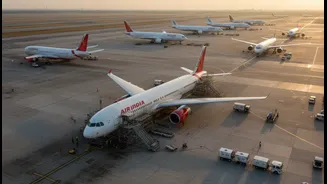
The journey to revitalise Air India took a significant leap forward with the announcement of a firm order for 470 new aircraft from manufacturers Airbus and Boeing, with options for hundreds more. This historic purchase is the cornerstone of the Tata
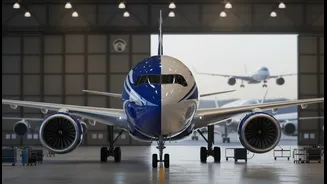
Group's strategy to transform the airline into a global aviation leader. The order is a mix of narrow-body jets like the Airbus A320neo family, ideal for domestic and short-haul international routes, and wide-body aircraft such as the Boeing 787 Dreamliner, Boeing 777X, and Airbus A350, destined for long-haul international flights. This massive investment aims to modernise a fleet that had become aged, improve operational efficiency and reliability, and drastically enhance the passenger experience.
Defining 'On Course' Amidst Global Headwinds
Despite the airline's positive assertions, the path is not without obstacles. The global aviation industry is grappling with significant supply chain disruptions and production delays from both Airbus and Boeing. These issues, stemming from raw material shortages and labour constraints, have impacted delivery timelines for airlines worldwide. Air India is navigating these external pressures, which have caused some delays in receiving new aircraft. In a recent statement, Chief Commercial Officer Nipun Aggarwal acknowledged these challenges, referring to them as "multiple black swan events" that have hit the industry. To mitigate these delays, the airline has strategically decided to refurbish some older aircraft that were initially slated for retirement, ensuring capacity is maintained. This pragmatic approach demonstrates a flexible strategy to keep the overall transformation plan moving forward, even if individual timelines need adjustment. According to recent executive statements, the airline expects to induct 50-60 new aircraft over the next 18 months.
Deliveries and Retrofits: The Tangible Progress
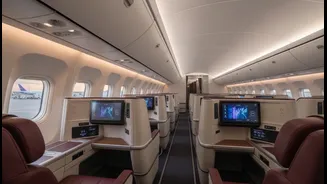
The most visible signs of progress are the new aircraft already flying. The first batch of Airbus A350s has been inducted into the fleet, and the first factory-new Boeing 787-9, part of the 2023 mega-order, is expected to enter service soon. The airline anticipates a steady stream of deliveries in 2026, including a new wide-body aircraft every six weeks. Parallel to new deliveries is a massive $400 million retrofitting program for the existing fleet of Boeing 777 and 787 Dreamliner aircraft. This involves completely overhauling the cabins with new seats, modern in-flight entertainment systems, and Wi-Fi connectivity. The first retrofitted Boeing 787s have already returned to service, with plans to upgrade two to three wide-body planes each month through 2026 and 2027. As of mid-2026, this renewed product is being deployed on key international routes, such as those to London, with the goal of having over half of the international network served by modernised planes by the end of the year.
More Than Just New Planes
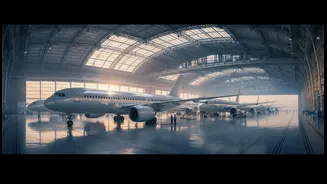
A successful fleet renewal involves far more than just acquiring aircraft. It requires a monumental human resources effort. To fly and service these new planes, Air India is on a massive hiring and training drive. The airline is actively recruiting pilots and has a continuous intake for cabin crew to meet the demands of its expanding operations. This includes not only new hires but also extensive training for existing crew on the new aircraft types joining the fleet. Furthermore, the airline is investing in its maintenance, repair, and overhaul (MRO) capabilities to ensure the new fleet can be serviced efficiently in-house, reducing reliance on third-party providers and minimising downtime. These foundational investments in people and infrastructure are critical to ensuring the long-term success of the fleet expansion.
What This Means for the Indian Flyer
For passengers, this transformation promises a significant upgrade. The introduction of new and retrofitted aircraft means moving away from the ageing cabins and frequent maintenance issues that have previously plagued the airline. Flyers can look forward to new cabin classes like Premium Economy on more routes, state-of-the-art seating, and improved in-flight entertainment. The new fleet will also be more fuel-efficient, which helps in keeping operational costs in check and allows for the expansion of the route network. As more modern aircraft join the fleet, passengers can expect greater reliability, fewer delays due to technical issues, and access to more direct international destinations. The ultimate goal is to restore Air India's reputation as a premier global carrier, offering a product and service standard that can compete with the best in the world.