




A Celestial Message in a Flash
There's a universal magic to spotting a meteor. That sudden, silent streak of light is a fleeting spectacle that connects us to the cosmos. For centuries, these 'shooting stars' were subjects of myth and wishes. Today, thanks to agencies like NASA and a global
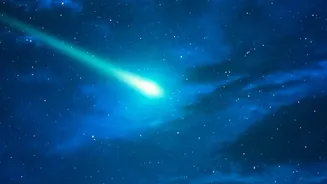
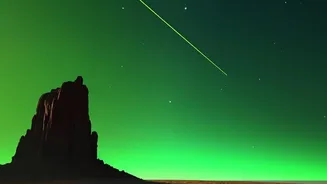
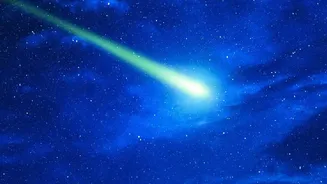
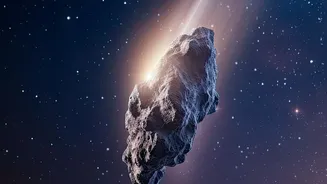
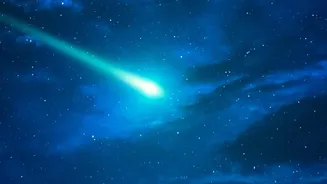
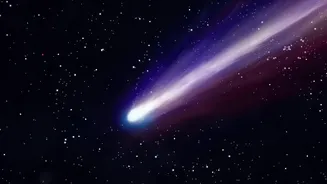
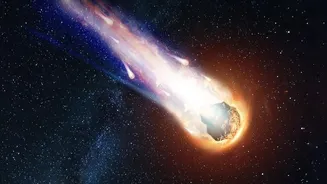
network of sky-watchers, we know these events are tiny pieces of space rock and dust burning up in our atmosphere. A recent image released by NASA, capturing a bright meteor streaking through the sky, serves as a beautiful reminder of this constant cosmic dance. While fascinating to scientists, these events also offer a unique opportunity for amateur astronomers. By simply looking up and paying attention to colour, you can perform a basic chemical analysis with your own eyes.
Decoding the Meteor Colour Wheel
The colour of a meteor is its chemical fingerprint, revealed as the tiny rock (a meteoroid) vaporises due to immense heat from friction with our atmosphere. Different elements burn with distinct colours, much like a fireworks display. Here’s a simple guide to what you’re likely seeing: Orange-Yellow is typically a sign of sodium, a common element. Yellow often points to the presence of iron, one of the most frequent components of meteorites. A Blue-Green flash is often caused by magnesium or sometimes nickel, while a rarer violet or purple hue suggests calcium. Finally, a reddish glow can sometimes be attributed not to the meteoroid itself, but to the super-heated nitrogen and oxygen of Earth's atmosphere surrounding it.
More Than Just a Single Colour
It’s important to remember that most meteors aren't made of a single pure element, so you might see a combination of colours or a dominant shade. Brighter meteors, often called fireballs, can display a wider range of colours and may even leave a lingering, glowing trail called a persistent train. These trains, initially green from atmospheric oxygen, can then glow with the colours of the metals left behind by the meteor's passage. Different meteor showers can also have characteristic colour profiles. For instance, the famous Perseids are often rich in nickel and magnesium, lending them a tendency towards yellow and green hues. This is because all the meteors in a particular shower originate from the same parent body, like the comet Swift-Tuttle for the Perseids, and therefore share a similar chemical makeup.
Your Guide to Spotting the Colours
You don't need a telescope or expensive equipment to become a meteor colour analyst; in fact, they are best viewed with the naked eye. The key is to find a viewing spot with as little light pollution as possible, away from city lights. The upcoming Perseid meteor shower, peaking around August 12-13, 2026, presents a perfect opportunity for skywatchers in India. This year's peak coincides with a new moon, promising dark skies for optimal viewing. For those in India, escaping to higher altitudes like in Ladakh or Spiti, or rain-shadow regions like the Rann of Kutch, can offer a clearer view, away from monsoon clouds. Give your eyes about 20-30 minutes to fully adjust to the darkness. Then, simply lie back, look up, and be patient. The more meteors you see, the better you’ll get at spotting those quick, colourful flashes and deciphering their cosmic story.