







The Ambassador of Aroma: Assam’s Kaji Nemu
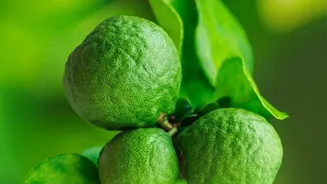
The hero of this story is the Kaji Nemu, a remarkable variety of lemon native to Assam. Larger and more elongated than its rounder cousins, this isn't just any citrus. It is prized for its incredible aroma—a fragrant blend that evokes notes of lemon,
lime, and even bergamot. This powerful scent is its signature, an immediate announcement of its presence in any dish or drink. Unlike many other citrus varieties, the Kaji Nemu is often seedless and boasts a thin, smooth rind that makes it exceptionally juicy. It has the unique ability to hang on the tree for extended periods even after ripening, ensuring a year-round supply for the communities that cherish it. This isn't just a fruit; it's a sensory experience that is quintessentially Assamese.
From Backyard Gem to State Icon
For generations, the Kaji Nemu was a beloved staple in Assamese households, a symbol of pride and a fixture in daily meals. But its journey to official stardom began more recently. In 2019, it was granted the prestigious Geographical Indication (GI) tag, a crucial step that legally recognizes its unique qualities and ties them to its origin in Assam. This tag prevents imitation and certifies its authenticity. The recognition didn't stop there. In February 2024, the Assam government officially declared the Kaji Nemu as the state fruit. This move cemented its status, transforming it from a regional favourite into a formal emblem of Assamese identity and agricultural heritage, celebrated for its antioxidant properties and distinctive flavour.
A Squeeze of Flavour in Every Meal
In Assam, food is a language, and the Kaji Nemu is a key part of its vocabulary. A traditional Assamese thali is considered incomplete without a fresh slice of this lemon on the side. Its juice is squeezed over everything from dal (lentils) and xaak (leafy greens) to fish curry, known as Masor Tenga, providing a bright, tangy finish that lifts the entire dish. The flavour is indispensable in the region’s 'tenga' (sour) culinary tradition. But its use extends beyond the main course. The juice is used to make refreshing drinks, while the whole fruit is turned into pickles, preserving its unique taste for months. This culinary versatility makes it a cornerstone of Assamese cuisine, connecting people to their land with every bite.
More Than a Fruit: An Economic Lifeline
The rise of the Kaji Nemu has had a profound economic impact, especially for rural communities. With its GI tag and growing fame, demand has soared. Farmers who once sold the lemon for a pittance in local markets are now accessing national and even international buyers. Consignments of Kaji Nemu have been exported to markets in London, Dubai, and Singapore, providing a significant income boost for growers. Farmer cooperatives have played a key role, helping to eliminate middlemen and ensuring better prices. This success has led to an expansion in cultivation area and productivity, turning what was once a subsistence crop into a valuable commercial product and a driver of the local agro-economy.
A Blueprint for Local Pride
The story of the Kaji Nemu is a powerful blueprint for how other regions can leverage their unique agricultural treasures. India is a land of incredible crop diversity, from the teas of Darjeeling to the oranges of Nagpur and the spices of Kerala. Each of these products carries the identity of its place of origin. By focusing on what makes them unique, protecting their heritage through mechanisms like the GI tag, and building a narrative around their flavour and cultural significance, these local crops can become global ambassadors. They not only create economic opportunities but also foster a deep sense of regional pride and encourage a form of tourism where travellers seek out authentic, local tastes.