






An 18-Year Absence
The story begins not with a treaty, but with a ban. In 1989, the United States prohibited the import of fresh Indian mangoes. The official reason was agricultural science: the U.S. Department of Agriculture was concerned about pests like the fruit fly
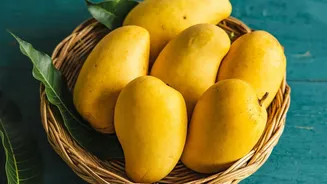
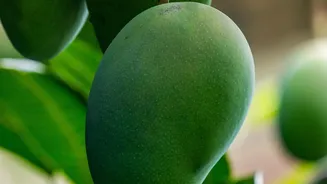
and seed weevils, which could potentially devastate American crops if introduced. For 18 long years, this ban remained in place, a frustrating trade barrier for India, which produces nearly half the world's mangoes and boasts over a thousand varieties. While processed mango products like pickles and juices could be exported, the fresh fruit, particularly celebrated varieties like the Alphonso and Kesar, remained absent from American tables, much to the dismay of the growing Indian diaspora.
Diplomacy and a 'Nuclear' Deal
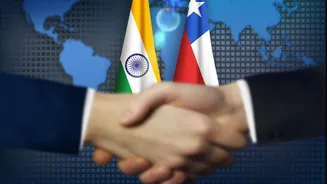
The breakthrough came in the mid-2000s, a period of significant warming in India-US relations. During a landmark visit to New Delhi in March 2006, then-US President George W. Bush and Indian Prime Minister Manmohan Singh announced a historic civil nuclear deal. But tucked into this high-stakes geopolitical agreement was a much sweeter component. President Bush, in a public speech, expressed his eagerness to taste Indian mangoes. This seemingly casual remark was the culmination of intense diplomatic negotiations. The result was a classic trade-off that came to be known as 'mango diplomacy'. India agreed to open its market to Harley-Davidson motorcycles, provided they met emission norms, and in return, the US agreed to lift its long-standing ban on Indian mangoes.
The King of Fruits Arrives
In April 2007, the deal became a reality. The first consignment of Indian mangoes, including the famed Alphonso and Kesar varieties, landed in the United States after undergoing mandatory irradiation treatment in India to eliminate any pest concerns. The arrival was celebrated as a major milestone. Top US officials, including the Trade Representative, hailed the event as more than just a market opening for a single product, but a symbol of the growing trust and partnership between the two nations. For the Indian-American community, it was a moment of cultural homecoming, with crates of the precious fruit often selling out within hours at grocery stores. The willingness of the US to finally allow Indian mangoes was seen as a significant step towards deeper economic and political engagement.
A Symbol of a New Relationship
The mango-for-motorcycle deal was more symbolic than economically massive for either country at the time. However, its importance lay in what it represented. It showed a willingness to resolve long-standing trade irritants through creative diplomacy. For India, getting its most prized fruit into the lucrative American market was a matter of national pride. For the US, it was a gesture of goodwill that accompanied the much larger strategic pivot towards India. The mango became a delicious footnote in the story of a relationship moving past old suspicions towards a new era of cooperation, not just on security and nuclear issues, but on the everyday matters of trade and cultural exchange.
The Sweet Trade Continues
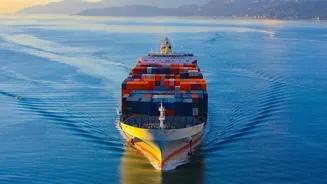
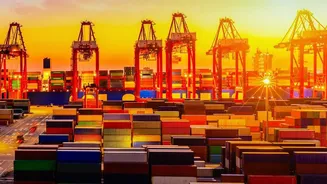
Since 2007, the mango trade has had its ups and downs, including a temporary halt due to the COVID-19 pandemic when US inspectors couldn't travel to India. However, the trajectory has been one of significant growth. Exports to the US have surged in recent years, with the country becoming a top destination for premium Indian mangoes. Promotional campaigns in major American cities have helped boost demand beyond just the diaspora. While the trade still faces logistical hurdles, the journey of the Indian mango to America stands as a testament to how even the smallest of items can play a memorable role in international diplomacy, sweetening the pot for much larger strategic goals.