
Escaping the Manali Crowds
Manali is the undisputed gateway to trekking in Himachal Pradesh, with trails like the Hampta Pass and Beas Kund attracting thousands of adventurers each year. Their popularity is well-deserved, offering stunning vistas and accessible challenges. But
for those who crave solitude and a more rugged experience, the well-worn paths can sometimes lack the profound sense of discovery that the Himalayas promise. This is where the Deo Tibba Base Camp trek comes in. Often overlooked in favour of its famous neighbours, this trail offers a journey into a quieter, more pristine corner of the Pir Panjal range. It’s a trek for those who want their mountain views served with a side of serenity, trading crowded campsites for vast, empty meadows and the silent company of giants.
The Allure of the 'Hill of the Gods'
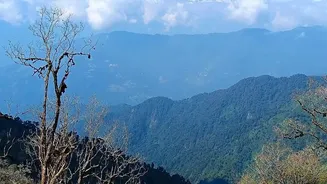
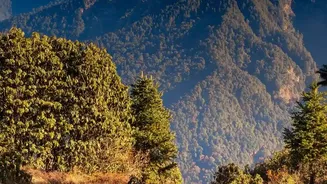
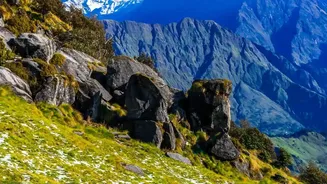
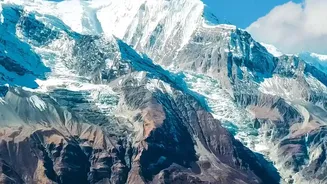
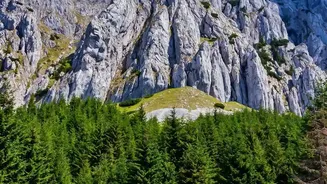
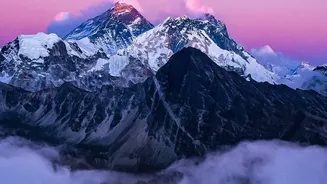
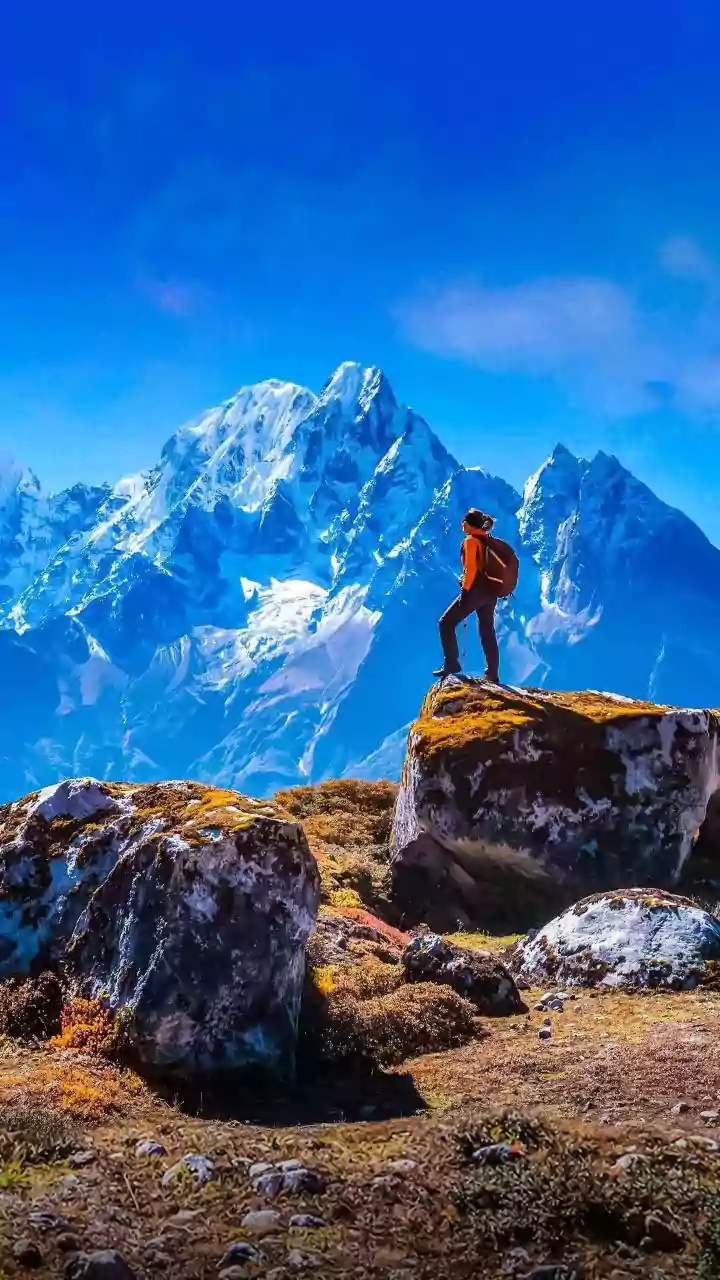
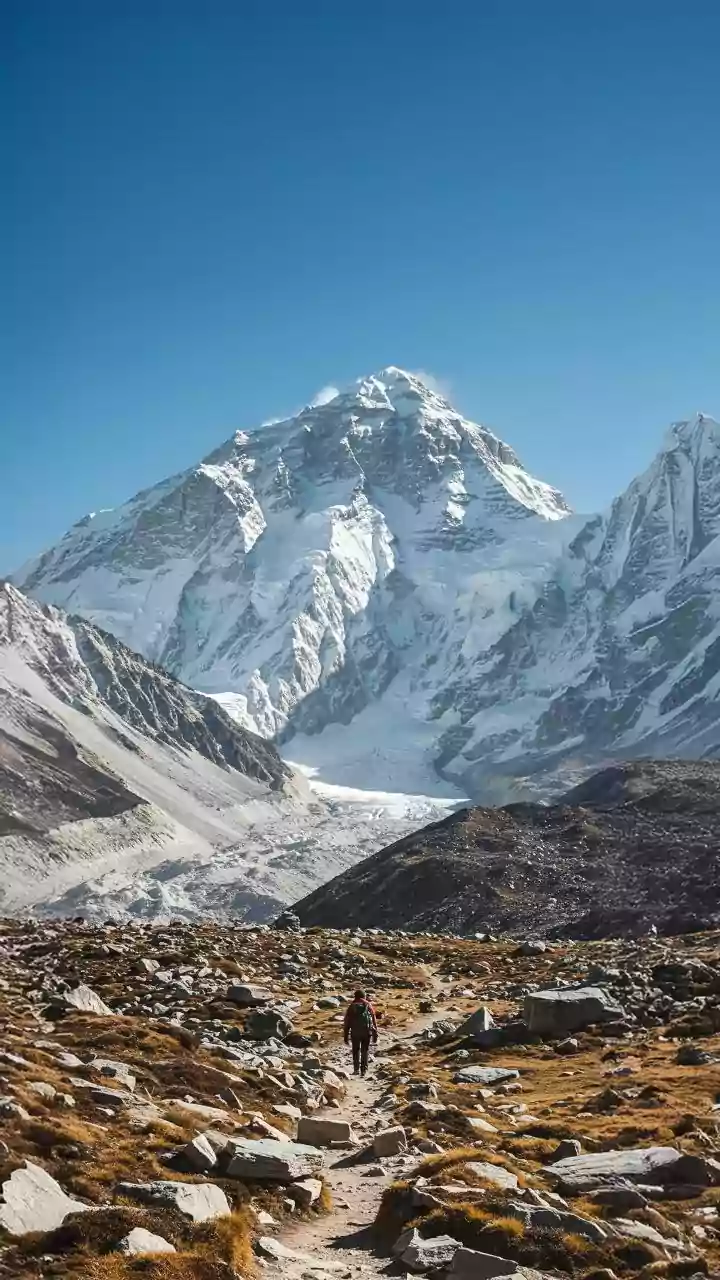
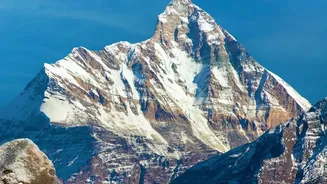
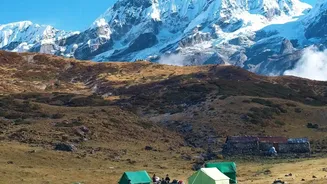
Deo Tibba, which translates to 'Hill of the Gods', holds a special reverence in local lore, believed to be a celestial meeting ground. The trek toward its base is fittingly divine. Starting from the ancient village of Jagatsukh, the path winds through dense forests of oak and pine before opening up to the breathtaking meadows of Seri. Unlike the dramatic, quick-changing scenery of a pass crossing, the Deo Tibba trail is a gradual ascent into grandeur. The highlight is the journey to Chota Chandratal (not to be confused with the one in Spiti), a small, pristine glacial lake at the foot of the massive peak. Here, the world feels raw and elemental, with the 6,001-metre Deo Tibba and its formidable neighbour, Indrasan, dominating the skyline.
A Challenge for the Worthy
Make no mistake, this is not a casual walk in the park. The Deo Tibba Base Camp trek is rated as moderate to difficult, demanding good physical fitness and prior high-altitude trekking experience. The trail involves long walking days, steep ascents, and navigating tricky moraine sections and glacial streams. While the full expedition to the summit is a technical climb requiring permits and mountaineering skills, the trek to the base camp at Tainta is an achievable goal for seasoned hikers. It typically takes about five to six days, reaching a maximum altitude of around 4,480 metres (14,698 feet). This journey tests your endurance, but the reward is a sense of accomplishment that can only be earned through effort.
Trekking in the Monsoon Window
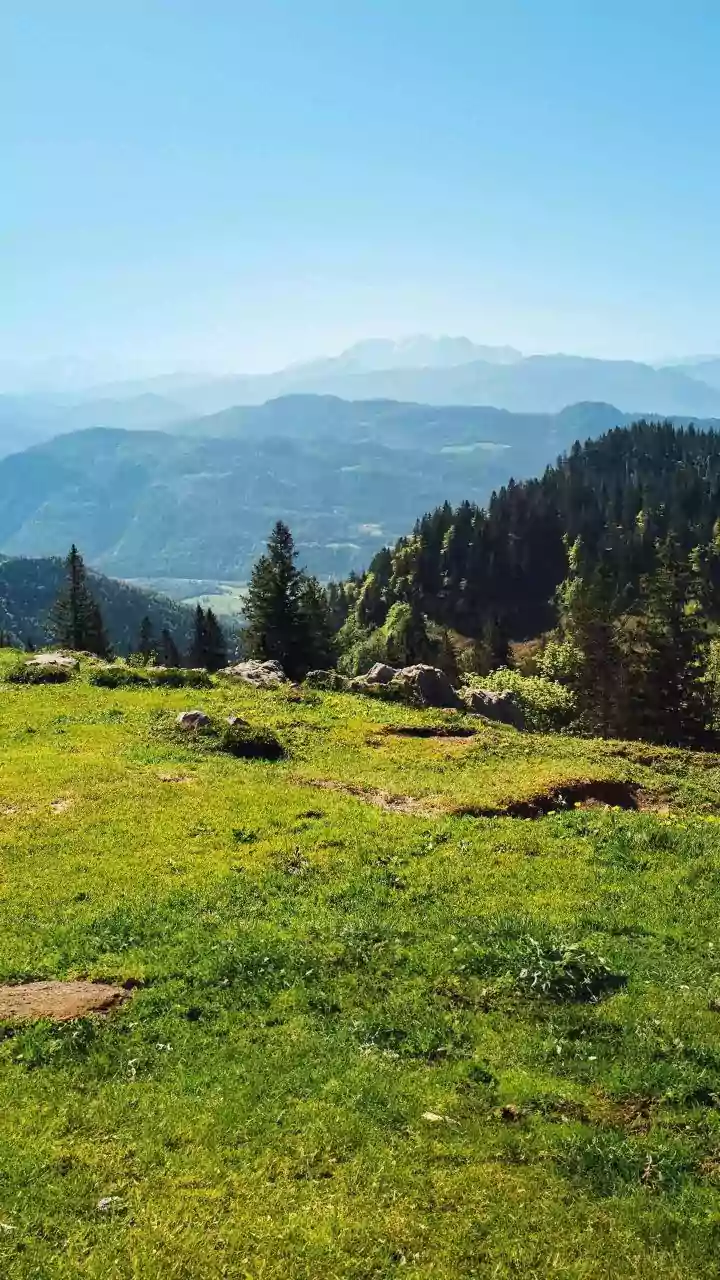
The timing of the headline, around Mountain Day on August 11th, places this trek squarely in the monsoon season. Trekking in Manali during August is a high-risk, high-reward proposition. While many high-altitude passes are closed, some trails remain accessible. The landscape is transformed into a vibrant, lush green, with wildflowers in full bloom and waterfalls at their most powerful. However, trekkers must be prepared for rain, slippery paths, and potential delays due to weather. August is a great time to see the valleys in their most verdant state, but it requires waterproof gear, buffer days in your itinerary, and the expertise of a reliable local guide who understands the monsoon conditions. The best seasons are typically May-June and September-October, but for the prepared adventurer, August offers a unique and misty charm.