



The Silent Damage of a Steady Drip
A small, consistent drip of water might seem harmless, but it's a formidable foe for building materials. When water from a neighbour's drip irrigation system, overwatered pots, or AC condensate pipe constantly runs down your wall, it does more than just
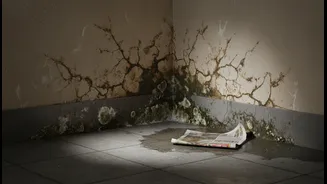
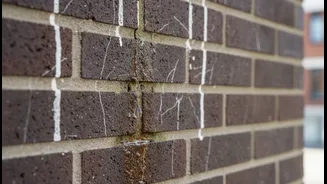
stain the paint. Masonry like concrete and brick is porous. The water seeps in, carrying soluble salts from within the material to the surface. As the water evaporates, it leaves behind a chalky, white residue called efflorescence. While initially a cosmetic issue, efflorescence indicates a moisture problem that can lead to serious consequences. Over time, the constant cycle of water absorption and salt crystallisation can cause paint to peel, plaster to crumble, and even weaken the structural integrity of the wall itself, a process known as spalling. This can also create a damp environment conducive to mould and mildew growth, which poses health risks.
Identifying the Source
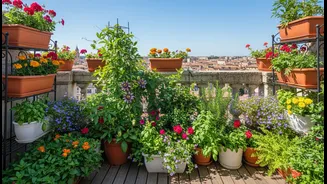
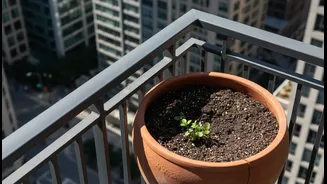
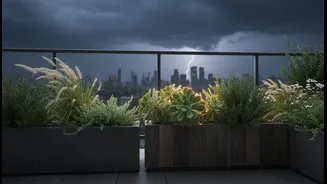
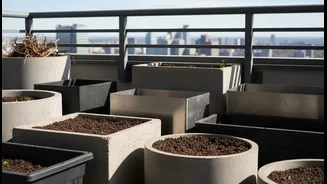
In dense urban environments, balconies and terraces are often precious green oases. Many residents use drip irrigation systems for their plants, which are designed to be efficient but can sometimes fail. Common culprits for leaks include clogged emitters, cracked tubing due to sun exposure, or incorrect pressure. Often, the problem isn't the system itself but simple overwatering. When pots don't have adequate saucers to catch overflow, or when they are watered too generously, the excess water has to go somewhere—and that's often down the side of the building. Another frequent source is the condensate drain pipe from an air conditioning unit that isn't properly directed away from the facade. Before you can address the problem, it's important to observe where and when the dripping occurs to help pinpoint the source.
The Diplomatic First Step: Talk to Your Neighbour
Most neighbour disputes can be resolved with a simple, polite conversation. It's very likely your neighbour is completely unaware of the issue. Choose a calm moment to approach them, not in the middle of a heated moment when you see the water dripping. Explain the situation calmly and factually. Use phrases like, "I've noticed some water dripping from your balcony that seems to be causing a damp patch on my wall," rather than accusatory language. You can show them the damage to help them understand the impact. Offer to help them find a solution, whether it’s checking their irrigation system for leaks, suggesting deeper saucers for their plants, or adjusting an AC drain pipe. This collaborative approach preserves goodwill and is the fastest path to a resolution.
Document Everything
While you hope for a simple resolution, it's wise to document the issue from the start. Take clear photos and videos of the dripping water, the source if visible, and the resulting damage to your property over time. Keep a log of when you first noticed the problem and the dates of any conversations you have with your neighbour. If you send any written communication, such as a message or email, save a copy. This evidence is not for an immediate fight, but it will be crucial if the problem persists and you need to escalate the matter. Should your neighbour be uncooperative, this documentation will support your case with the housing society or other authorities.
When Talking Fails: Escalation Options
If your neighbour is unresponsive or uncooperative, your next step is to involve a third party. In most apartment complexes in India, the Resident Welfare Association (RWA) or housing society management is the appropriate body to mediate such disputes. Present your documentation to them. Most society by-laws have rules against actions that cause damage to common areas or other residents' property. The RWA can formally contact the owner of the flat and instruct them to rectify the problem. If this still doesn't yield results, you may need to send a formal legal notice through a lawyer. Under Indian law, causing damage to a neighbour's property through negligence can be grounds for a civil suit to claim compensation for repairs.
Prevention for Green-Thumbed Neighbours
If you are the one with the balcony garden, you can prevent these issues with a few thoughtful practices. Use deep saucers under all your pots to catch excess water. Consider using self-watering planters, which have a reservoir at the bottom and reduce runoff. Group plants together in a designated area on a waterproof tray. Regularly check your drip irrigation system for leaks, clogs, and wear. Ensure your AC condensate pipe is properly secured and drains away from the building edge or into a designated drain. Being a responsible and considerate gardener not only protects the building but also ensures a peaceful coexistence with those living below you.