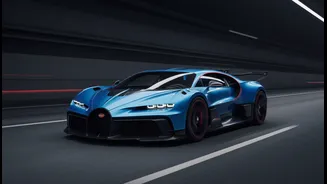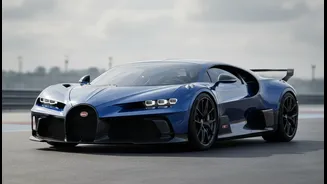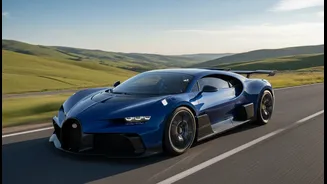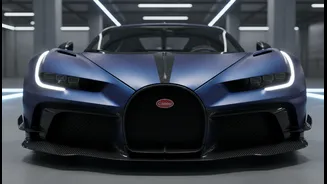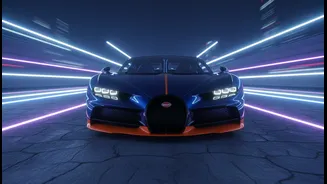









An Apex Predator for the Track
First, it is important to understand what the Bugatti Bolide is: a track-only hypercar limited to just 40 units worldwide. It was designed with a single purpose: to be the fastest, most aerodynamically aggressive machine possible, built around the brand's
iconic 8.0-litre quad-turbocharged W16 engine. With 1,600 PS in production form and a dry weight of just 1,450 kg, its performance figures are astonishing, capable of 0-100 km/h in 2.2 seconds. Bugatti itself announced the Bolide would be the last car ever made with its W16 engine, instantly cementing its historical importance. All 40 cars, priced at around $4.7 million each, sold out almost immediately.
The Rarity and Significance Formula
In the world of high-end car collecting, value is driven by several key factors: rarity, historical significance, performance, and brand pedigree. Limited production numbers are paramount; a car with a run of 40 units is already in elite territory. For comparison, Bugatti produced more Divos (40), but far fewer Centodiecis (10) and only one La Voiture Noire. However, the Bolide's claim to fame is its status as the final and most extreme iteration of the W16 engine, which powered the Veyron and Chiron, defining a whole era of hypercars. This 'end of an era' status is a powerful driver for long-term value, similar to how the last naturally aspirated V12s from other brands are coveted by collectors.
The Lanzante Conversion: From Track to Tarmac
The prospect of a road-legal Bolide is not just a fantasy. Famed British engineering firm Lanzante, known for converting track-only cars like the McLaren F1 GTR for street use, unveiled the first road-legal Bolide at the 2026 Goodwood Festival of Speed. The conversion is extensive, involving the addition of road-compliant lighting, swapping out racing slicks for road tires, and softening the brutal suspension to handle public streets. Crucially, Lanzante was able to undertake the project because the Bolide's W16 engine is based on the same unit used in road cars like the Chiron, making emissions compliance achievable. This conversion, while incredibly expensive, transforms the car from a track-day toy into a usable, albeit extreme, road car.
The Ultimate Collectible? The Case For
A road-legal Bolide makes a compelling case for being the ultimate modern Bugatti collectible. It combines the three most desirable traits: extreme rarity (only 40 exist, and even fewer will be road-converted), ultimate performance, and unparalleled historical significance as the W16's swansong. While cars like the Centodieci are rarer, the Bolide represents a more profound engineering statement—a car built without the compromises of road legality in mind. The very act of making it road-legal through a specialist like Lanzante adds another layer of exclusivity and storytelling to its provenance. It becomes a car that was so extreme it was never meant for the road, yet was tamed by a select few, making it a legend.
The Case Against the Crown
However, the Bolide faces stiff competition. The one-of-one La Voiture Noire is, by definition, the rarest modern Bugatti and holds the title of the most expensive new car ever sold at the time of its debut. Furthermore, track-focused cars, even when converted, can be punishing to drive on the road, which could limit their appeal compared to more 'grand touring' focused models like the Chiron Super Sport 300+ or the elegant Mistral roadster. Some collectors may prefer a car that was designed from the ground up for the road, offering a blend of performance and luxury that is Bugatti's hallmark. The sheer rawness of a converted Bolide might be a step too far for some, who prize usability alongside rarity.