





The Viral Drink You've Seen Everywhere
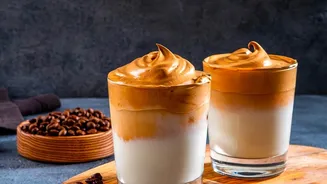
The Biscoff latte, also known as a cookie butter latte, has become a staple of cafe menus and home barista experiments, largely thanks to its popularity on social media. The concept is simple and undeniably alluring: blend the sweet, spiced flavour of Biscoff,
a spread made from speculoos biscuits, directly into a coffee. The result is a drink that blurs the lines between a morning caffeine fix and a liquid dessert. The appeal lies in its unique flavour profile. Unlike standard caramel or vanilla syrups, Biscoff introduces notes of cinnamon, nutmeg, and a deep, toasted sweetness that is both familiar and novel. It transforms a regular latte into a rich, comforting experience, perfect for a chilly afternoon or when a serious sweet craving hits. The trend grew from a 'secret menu' item at coffee shops to a full-blown online phenomenon, with countless recipes and variations available for those wanting to recreate the magic at home.
How to Make the Perfect Biscoff Latte
The key to a great Biscoff latte, and the secret that the headline gives away, is ensuring the spread dissolves completely. A clumpy, sludgy bottom is no one's idea of a good time. The best method is to use heat to your advantage. Start by gently warming your milk in a small saucepan over low heat. Add a generous tablespoon or two of smooth Biscoff spread and stir continuously until it has completely melted into the milk. Do not let the mixture boil. Some recipes suggest melting the spread directly into a fresh, hot shot of espresso before adding milk. Both methods work well. Once you have your smooth Biscoff-infused base, you can proceed. Pour in your espresso or strong coffee. For that cafe-style touch, use a milk frother to create a velvety foam before pouring it over your coffee mixture. Garnish with a sprinkle of crushed Biscoff biscuits for extra texture and flair.
The Taste Test: What to Expect
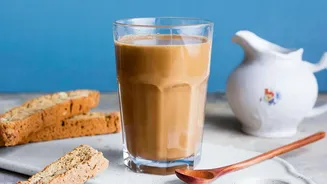
So, what does it actually taste like? Imagine a gingerbread cookie and a caramel latte had a delicious baby. That’s the Biscoff latte. The dominant flavours are caramelized sugar and warm baking spices like cinnamon. It's sweet, but the bitterness of the coffee helps to balance it out, preventing it from becoming overly saccharine. The texture, when made correctly, is incredibly smooth and creamy, far more decadent than a standard latte. It’s a substantial drink, one that feels more like an indulgent treat than a simple beverage. You can customize it to your liking, of course. For a richer flavour, use whole milk or oat milk, which froths beautifully and complements the nutty, spiced notes. You can also make an iced version by letting the espresso and Biscoff mixture cool before pouring it over ice and adding cold milk.
A Treat, Not a Health Drink
Here's the important reality check. As delicious as it is, a Biscoff latte is firmly in the dessert category. Lotus Biscoff spread itself is high in sugar, fat, and calories. Just two of the biscuits contain around 10 grams of sugar. When you melt a few tablespoons of the spread into milk, often with added whipped cream and biscuit crumbles on top, the calorie and sugar count can climb rapidly. A medium-sized Biscoff latte from a cafe chain like Tim Hortons can contain around 310 calories and 40 grams of sugar, which is comparable to many other dessert-style coffee drinks. For context, that's more sugar than a can of cola. While some homemade versions might be lighter, it's not a drink intended as a daily nutritional boost. It's a wonderful, cozy indulgence for a special occasion or a weekend treat, but it's not a replacement for your regular, less-adorned morning coffee.