


The Undone Allure of the Shag
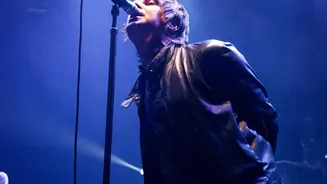
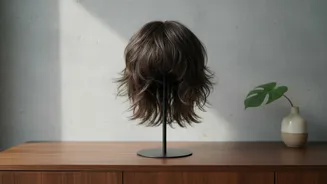
First, let's define the original. The classic shag haircut, made famous by rock stars and style icons of the 1970s, is defined by its heavy, choppy layers, significant volume at the crown, and feathered texture. It's a statement look that is intentionally
a little messy and rebellious. The cut involves shorter layers on top that get progressively longer, often paired with a distinct fringe or curtain bangs. This technique is designed to remove weight, create tons of movement, and give the hair an effortlessly cool, lived-in vibe. While modern shags are often softer and more blended than their retro counterparts, the core elements of heavy layering and crown volume remain.
The Shaggy Lob: A Modern Compromise
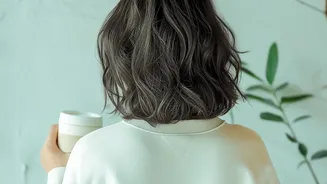
The shaggy lob, sometimes called a "schlob," is exactly what it sounds like: a hybrid of a shoulder-grazing long bob (lob) and a textured shag. It maintains the flattering, versatile length of a lob while incorporating the choppy, face-framing layers and movement of a shag. Unlike a full shag, where the layers are dramatic and distributed all over, the shaggy lob concentrates the texture more subtly through the mid-lengths and ends, often with softer, wispy layers around the face. This creates a less radical silhouette that feels more accessible for daily wear while still capturing that edgy, textured feel.
Lower-Stakes Styling
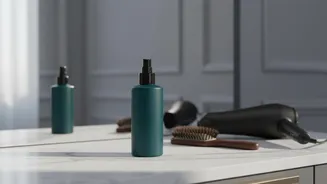
Here's where the "easier" part really comes into play. A full shag, with its short layers on top, often requires some styling effort to look intentional. Without a bit of product like a texturizing spray or mousse to enhance the layers, it can sometimes fall flat or look disjointed. The shaggy lob, however, is far more forgiving. Because the primary length is longer and the layers are less extreme, it air-dries beautifully with just a simple scrunch. The built-in texture does most of the work for you, making it a true wash-and-go option for those who prefer a low-maintenance routine.
Greater Versatility for Updos
One of the biggest practical advantages of the shaggy lob is its length. The shoulder-skimming baseline means you can still easily pull your hair back into a ponytail, bun, or clip. While a full shag has its own cool, piece-y look when tied up, the shorter, more abundant layers—especially around the crown and nape—mean more strands are likely to fall out, making a clean updo challenging. The lob's length provides just enough heft to secure your hair comfortably, giving you more styling options for the gym, work, or formal occasions without a struggle.
A More Forgiving Grow-Out Period
Every haircut eventually enters the grow-out phase, and this is where the shaggy lob truly shines. The subtle, blended layers of a shaggy lob tend to grow out gracefully, melting into a more traditional lob shape over time. You can go longer between salon visits without hitting an awkward stage. A full shag, on the other hand, can be trickier to grow out. The disparity between the short crown layers and longer ends becomes more pronounced over time, sometimes creating a mullet-like effect if not maintained with regular trims every six to eight weeks.
Flattering for More Hair Types
While a skilled stylist can tailor a shag for almost anyone, the shaggy lob is arguably more universally flattering from the get-go. It's a fantastic option for those with fine hair, as the layers create volume and the illusion of thickness without sacrificing too much length at the ends. For those with very thick hair, a shaggy lob removes bulk and adds movement without the extreme layering of a full shag, which can sometimes look too voluminous or round. Its customisable nature allows it to be adapted for straight, wavy, and curly textures with ease.