



Find Your Colour Anchor
The simplest way to create a harmonious look is to start with your existing furniture. Identify a dominant colour in your room—perhaps the deep blue of your sofa or the warm grey of your walls. This will be your 'anchor'. When shopping for a vintage textile,
look for pieces that contain a hint of this anchor colour. It doesn't need to be the main shade of the vintage fabric; even a small thread of that familiar blue or grey will create an instant visual connection, making the new addition feel intentional rather than random. This method bridges the gap between old and new, ensuring the textile complements rather than competes with your current setup.
Master the 60-30-10 Rule
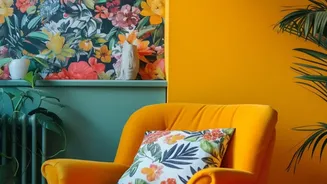
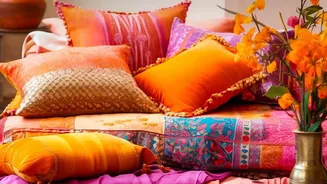
A classic interior design principle, the 60-30-10 rule is perfect for integrating vintage finds. The idea is to create a balanced palette: 60% of your room should be a dominant colour (like walls and large furniture), 30% a secondary colour (curtains, accent chairs), and 10% an accent colour. Your vintage textile can be that powerful 10% accent. By using a bold, patterned vintage cushion or a beautifully aged throw as your accent piece, you give it the spotlight without overwhelming the space. This controlled pop of history adds personality and a curated feel, proving that a little bit of vintage can go a long way.
Play with Pattern and Scale
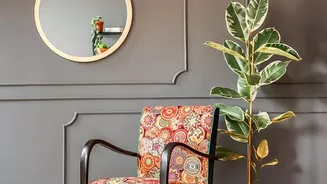
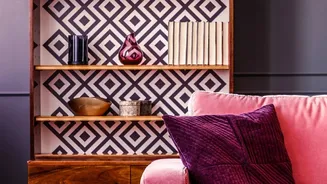
Mixing patterns can feel intimidating, but the key is to vary the scale. If your existing furniture is mostly solid colours, you have a perfect canvas. Introduce a vintage textile with a bold, large-scale pattern to create a focal point. Conversely, if you already have modern patterns in your room, like a striped rug, look for a vintage fabric with a smaller, more intricate design. The contrast in scale allows each pattern to stand out without creating visual chaos. This technique adds depth and sophistication, making the room feel layered and professionally styled.
Embrace the Power of Texture
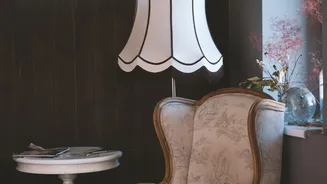
Sometimes, the connection isn't about colour at all, but about texture. Vintage textiles often boast rich, tactile qualities that modern fabrics may lack—think of the nubby feel of hand-loomed wool, the soft pile of an old velvet, or the delicate weave of antique linen. Pairing these interesting textures with the smoother, cleaner surfaces of modern furniture creates a satisfying contrast. A rustic vintage textile can add warmth to a minimalist sofa, while a delicate, aged silk can soften the hard lines of a contemporary metal chair, adding a layer of comfort and soul to the space.
Start Small for a Big Impact
If you're hesitant to go all-in, start with small, low-commitment applications. Introducing vintage textiles through cushion covers, table runners, or a throw draped over an armchair are excellent entry points. You could also consider framing a particularly beautiful or delicate fabric scrap as a piece of wall art. These smaller touches allow you to experiment with colours and patterns without the investment of reupholstering a large piece of furniture. Often, these small details are what truly personalize a home, telling a story and reflecting your unique taste.
Caring for Your Vintage Finds
Once you've found the perfect piece, proper care is crucial to its longevity. Light damage from direct sun is irreversible and can weaken fibres, so display your textiles away from harsh sunlight. For cleaning, always proceed with caution. Dust can be gently vacuumed through a mesh screen, but wet cleaning can be risky due to unstable dyes or delicate fibres. For valuable or fragile pieces, consulting a professional textile conservator is always the safest bet to ensure your treasured find lasts for generations to come.