






The Potent Power of a Tiny Spice
The secret to clove’s intensity lies in a naturally occurring chemical compound called eugenol. Making up a significant portion of clove's essential oil, eugenol is responsible for its signature sweet, peppery, and almost medicinal aroma and flavour.
This compound is so powerful that it even has a slightly numbing effect on the tongue, which is why clove oil has been a traditional remedy for toothaches for centuries. Beyond its flavour, eugenol also contributes to many of clove's celebrated health properties, including acting as an antioxidant and anti-inflammatory agent. These properties mean that every pinch of clove is not just adding flavour, but also a concentration of potent plant compounds.
Less is More: How Much Clove to Use
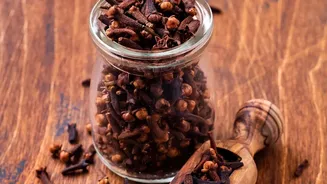
Because of its high concentration of eugenol, a little ground clove goes a very long way. Overdo it, and you risk overpowering every other flavour in your dish. As a general rule for ground cloves, start with just 1/8 to 1/4 of a teaspoon for an entire recipe, like a batch of cookies or a pot of stew. For context, that small amount is equivalent to about 2 to 3 whole cloves. If you're using whole cloves, for example in a beverage like mulled wine or to stud a ham, two or three buds are often enough to infuse their flavour without becoming bitter. Ground clove releases its flavour much more quickly and intensely than whole cloves, making it ideal for batters and spice rubs where you want even distribution. However, it also loses its potency faster once ground, so for the freshest flavour, it's always best to grind whole cloves just before use.
A Spice with Benefits and Cautions
In small, culinary amounts, cloves can be a wonderful addition to a healthy diet. They are packed with antioxidants, which help the body fight cellular damage from free radicals. Some studies have also highlighted their anti-inflammatory, antimicrobial, and digestive health benefits. Traditional medicine has long used cloves to soothe indigestion and fight off pathogens. However, its potency demands respect. Excessive intake, particularly of concentrated clove oil, can be harmful and has been linked to liver stress. The same eugenol that provides benefits can also act as a blood thinner, so individuals with bleeding disorders or those preparing for surgery should be cautious. Experts generally consider a daily intake of up to a quarter teaspoon of ground cloves to be safe for most healthy adults.
Natural Harmony: The Classic Trio
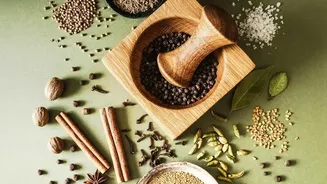
There's a reason clove, cinnamon, and citrus are so often found together. They create a perfect culinary balance. Clove brings a pungent, peppery warmth that can be almost aggressive on its own. Cinnamon steps in with a sweeter, gentler warmth that smooths out clove's sharp edges. Then, citrus—whether it's orange or lemon—cuts through that rich spiciness with a bright, acidic top note that cleanses the palate and adds a layer of freshness. This trio forms the backbone of countless recipes, from mulled beverages and holiday baked goods to savoury spice rubs and marinades. The cinnamon enhances clove's sweetness, while the citrus prevents the combined spices from becoming too heavy or cloying.
Beyond the Holiday Ham
While this flavour combination shines in festive treats, its versatility extends year-round. Think beyond pumpkin pie and consider adding a pinch of ground clove and cinnamon with a squeeze of orange to a savoury dish. This trio works wonders in lentil soups, black bean dishes, and marinades for pork or chicken. It can add surprising depth to a simple pot of rice when a whole clove, a cinnamon stick, and a strip of orange peel are tossed in with the cooking water. For a warming beverage, steep a couple of whole cloves and a cinnamon stick with your favourite black tea and a lemon wedge. This combination also elevates fruit-based dishes; try adding a dash to baked apples, pear crumbles, or a simple fruit compote to bring out a new dimension of flavour.