




The Challenge of Being Loved
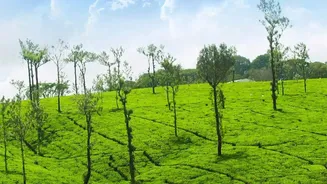
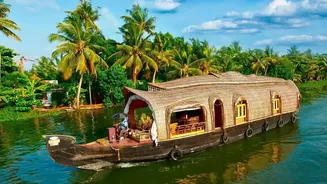
For decades, Kerala has been a crown jewel of Indian tourism, attracting millions with its unique blend of nature and tradition. From the tranquil houseboat cruises in Alappuzha to the misty tea plantations of Munnar, its attractions are world-famous.
But this popularity comes with significant responsibilities. Unchecked tourism can lead to environmental degradation, put pressure on local infrastructure, and risk commercialising the very culture that makes the region so special. The question for policymakers has been how to balance economic growth with the urgent need to protect the state's natural and social fabric.
A Blueprint for Responsible Travel
Instead of a single new plan, Kerala’s strategy is built upon its pioneering Responsible Tourism (RT) Mission, a government-led initiative that officially began in 2017. This framework aims to make tourism a tool for the development of local and village communities. The philosophy is often described using a 'triple-bottom-line' approach, which focuses on economic, social, and environmental responsibility. This means ensuring that tourism benefits local economies, empowers communities (especially women), and actively works to preserve the environment rather than deplete it. The state was one of the first in India to establish a dedicated government department for this purpose, signaling a deep commitment to the cause.
From Policy to Practice
The RT Mission is not just a document; it's a collection of tangible programmes changing the face of travel in the state. One key initiative is the development of Village Life Experience packages, which allow visitors to engage directly with rural life through activities like coir weaving, pottery making, and visiting local farms. Another flagship programme is the STREET project (Sustainable, Tangible, Responsible, Experiential, Ethnic, Tourism Hubs), which develops destinations around specific themes to spread tourist traffic and highlight unique local specialities. There's also a major push for environmental sustainability, including campaigns to reduce single-use plastics, promote green building protocols, and implement effective waste management systems to create 'Waste-Free Destinations'.
Putting Communities at the Core
At the heart of Kerala's model is the belief that locals should not just be passive beneficiaries of tourism, but active partners. The RT Mission works to connect hotels and resorts with local producers, ensuring they source food and other goods from nearby communities, which reduces economic leakage. Initiatives run by organisations like Kudumbashree, a women's self-help network, are empowering locals to plan, manage, and own tourism projects in their own neighbourhoods. This focus on community-based tourism creates more authentic experiences for travellers and ensures that income flows directly to families, helping to preserve traditional livelihoods and cultural practices.
What It Means for Your Next Trip
For travellers, this sustainability focus translates into a richer, more meaningful holiday. Your stay in a community-run homestay directly supports a local family. The food you eat at your hotel is more likely to be fresh and locally sourced. The souvenirs you buy might be crafted by artisans you can actually meet. By choosing to travel in Kerala, visitors can feel confident they are part of a system that values its environment and its people. You're not just a consumer, but a participant in a grander vision for a type of tourism that gives back as much as it takes, ensuring that ‘God’s Own Country’ remains pristine for generations to come.