





The Nutritional Divide
While both are considered healthy choices, mushrooms and zucchini offer surprisingly different nutritional profiles. Zucchini is a powerhouse of certain vitamins. It's particularly rich in Vitamin C, a crucial antioxidant for immune function and skin
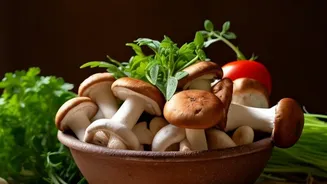
health, and Vitamin A, which supports vision. It also provides essential minerals like potassium, important for regulating blood pressure, and magnesium. Many of these nutrients are concentrated in the skin, so it's best to eat it unpeeled. Mushrooms, on the other hand, bring a unique set of benefits. They are one of the few plant-based sources of Vitamin D, especially when they have been exposed to UV light. This vitamin is vital for bone health and immune function. Mushrooms are also an excellent source of B vitamins, such as riboflavin and niacin, which help the body produce energy. Furthermore, they contain the powerful antioxidant selenium, which helps protect cells from damage.
The Impact of Preparation
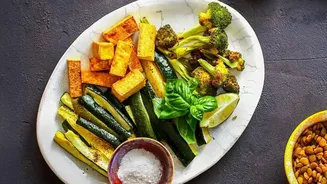
How you cook these vegetables can dramatically alter their nutritional value. For zucchini, some cooking methods can reduce its high Vitamin C content, which is sensitive to heat. Boiling can cause water-soluble vitamins to leach out into the water. Lightly steaming, sautéing, or roasting are better methods to preserve its nutrients while making it easier to digest. Interestingly, some research suggests that cooking zucchini can increase its antioxidant activity, even if some vitamins are lost. For mushrooms, the story is similar. Studies have found that boiling and deep-frying cause the most significant loss of antioxidants and protein. The best cooking methods to preserve—and even enhance—the nutritional power of mushrooms are grilling and microwaving. Grilling with a small amount of olive oil can actually improve their antioxidant capacity without adding significant calories.
Solving the Portion Puzzle
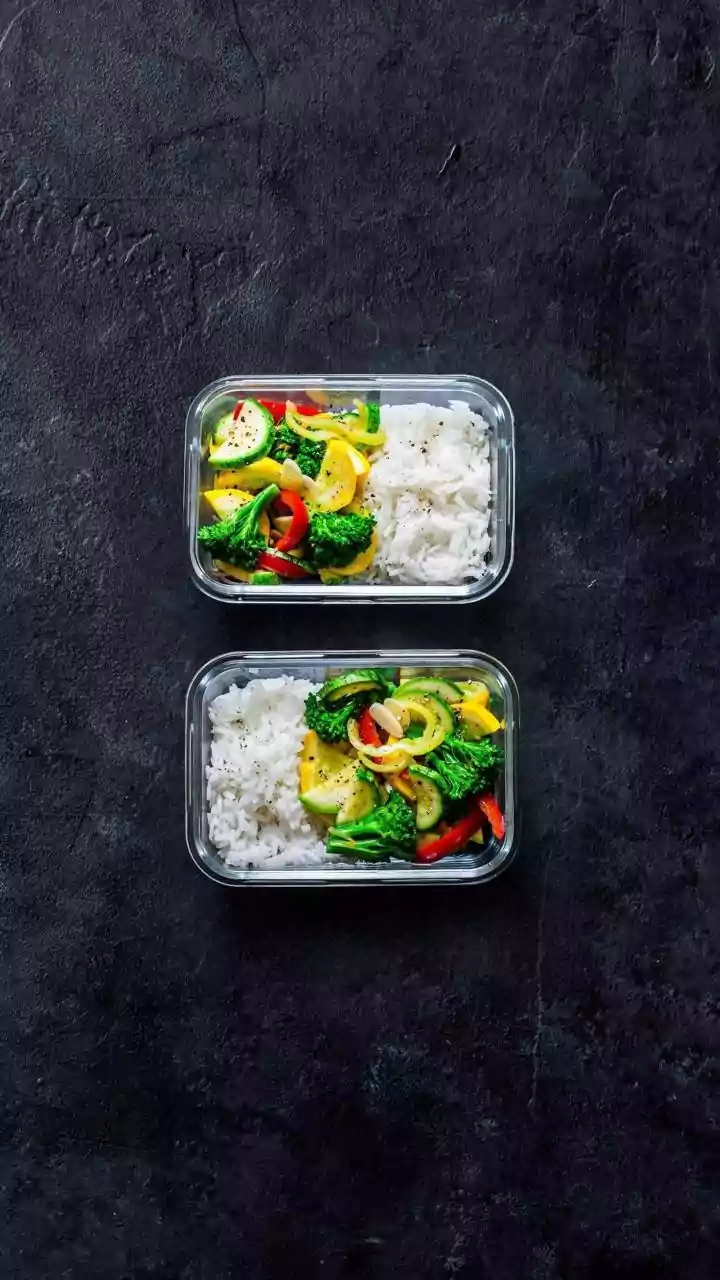
Portion size is the final piece of the puzzle. The term refers to how much you choose to eat, while a 'serving size' is a standardized amount, like one cup. For vegetables, a common recommendation is to aim for 2 to 3 cups per day, spread across several servings. A serving of chopped raw vegetables is typically one cup, while a serving of cooked vegetables is about half a cup. Because both mushrooms and zucchini are very low in calories—a medium zucchini has around 33 calories, while a cup of sliced mushrooms has only about 15—it can be tempting to think more is always better. However, the real impact on your health often comes from what you add to them. Drowning grilled zucchini in a creamy, high-fat sauce or frying mushrooms in excessive butter can easily negate their low-calorie benefits. The key is to use them to add volume and nutrients to your meals without relying on unhealthy additions. Their high water and fiber content can help you feel full, which aids in weight management.
A Balanced Approach
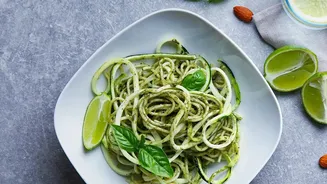
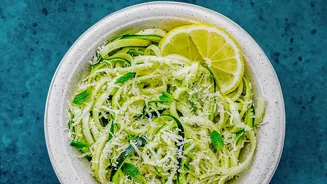
Ultimately, you don't have to choose between mushrooms and zucchini. Their distinct nutritional profiles make them complementary additions to a well-rounded diet. Zucchini provides the Vitamin C and A that mushrooms lack, while mushrooms offer a rare plant-based source of Vitamin D and a host of B vitamins. By incorporating both into your weekly meals, you get a broader spectrum of nutrients. Think of it as teamwork. Use zucchini for its fresh, mild flavor in salads, stir-fries, and as a low-carb noodle alternative. Turn to mushrooms for their savory, umami flavor that adds a meaty texture to dishes, making them a satisfying component in everything from omelets to pasta sauces. Paying attention to how you prepare them—favoring grilling, roasting, or light sautéing—will ensure you reap the maximum rewards. This mindful approach to cooking and portioning is what transforms these simple vegetables from just healthy ingredients into nutritional powerhouses on your plate.