






What is Geo-Heritage?
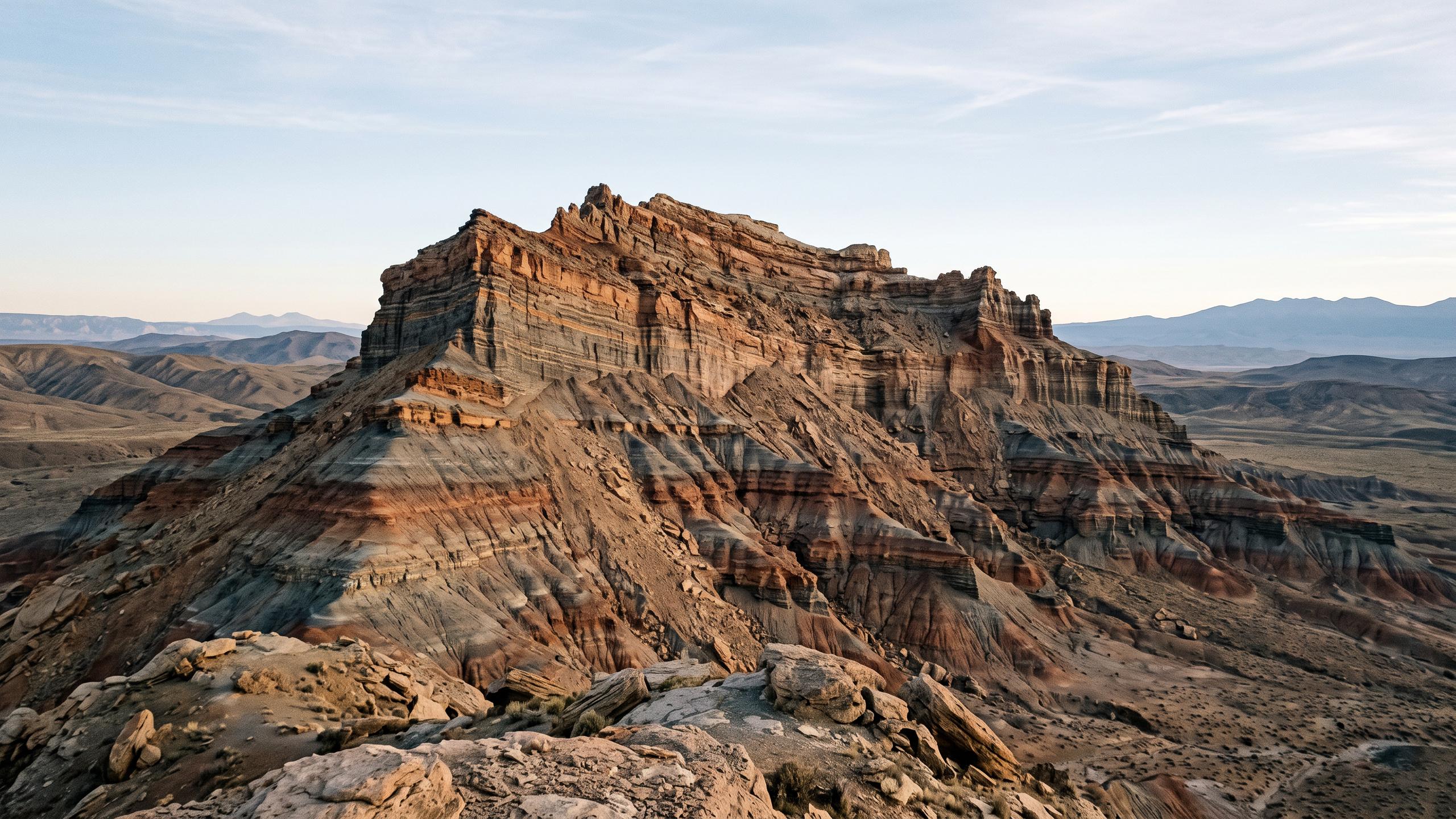
Before diving into the new nominations, it's important to understand what 'geo-heritage' even means. Essentially, these are sites that have rare or unique geological significance. Think of them as natural monuments that offer a window into Earth's long
and dramatic history. This can include everything from fossil parks and unique rock formations to meteorite impact craters and volcanic landscapes. The Geological Survey of India (GSI) is the official body responsible for identifying, protecting, and maintaining these sites across the country, which currently number over 30. This new focus represents a major expansion of what we consider part of our national heritage, looking beyond human history to the very land on which it unfolded.
The New Contenders: Volcanoes and Craters
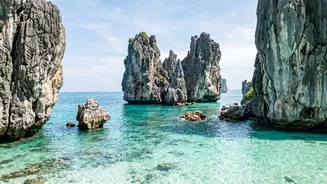
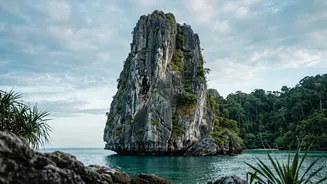
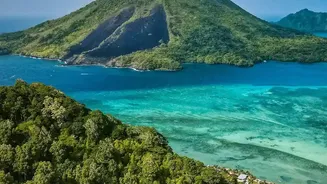
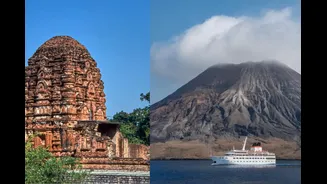
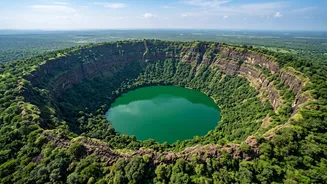
On October 20, 2026, three new sites were added to India's UNESCO Tentative List, a crucial first step for nomination. Two of these are remarkable geological landscapes. The first proposal combines the Karst-mud-volcano Complex of Baratang Island with the Andaman Subduction Volcanoes (Barren and Narcondam Islands) in the Andaman and Nicobar archipelago. Baratang is known for its limestone caves and active mud volcanoes, while Barren Island is home to India's only confirmed active volcano. The second major geological push is for sites that have long been recognised within India but are now being positioned for global status. These include Lonar Lake in Maharashtra, a near-perfectly preserved crater created by a meteorite impact around 52,000 years ago, and one of only four such craters in basaltic rock on Earth. Its unique, alkaline water supports a fascinating ecosystem and is even studied by scientists as an analogue for craters on Mars.
Showcasing India's Geological Story
Other key sites in the pipeline showcase the sheer diversity of India’s geological past. The Varkala Cliffs in Kerala are the only place in the southern part of the state where cliffs rise directly from the Arabian Sea, offering a rare cross-section of Cenozoic-era sedimentary formations. These stunning red cliffs are not just a geological archive but also a site of immense cultural and spiritual importance. Similarly, St. Mary's Islands off the coast of Karnataka feature incredible hexagonal columns of basaltic lava. These formations are evidence of the volcanic activity that occurred when the Indian subcontinent broke away from Madagascar millions of years ago, providing a tangible link to the theory of plate tectonics.
Why The Push for Geological Sites Now?
The strategic shift to nominating geological sites is multi-faceted. Firstly, it diversifies India's heritage portfolio on the world stage, showcasing that the nation's treasures are not just man-made but also natural and ancient. It aligns with a global trend of recognising sites for their scientific and educational value. A UNESCO tag does more than just bestow prestige; it catalyses 'geotourism', attracting scientists, students, and curious travellers, which can boost local economies. Furthermore, this recognition brings a mandate for enhanced protection and conservation. For fragile ecosystems like Lonar Lake or coastal formations like Varkala Cliff, which face threats from erosion and unregulated development, a World Heritage status can provide the framework and funding needed for long-term preservation. It is a declaration that these natural chronicles are as worthy of protection as any palace or tomb.