







Demystifying the 'V5' Dish
First, let's clear up the name. While the internet has christened it the 'V5', SpaceX has officially launched this as its next-generation 'Standard' residential dish, following the V4 model. This new hardware is a significant redesign focused on efficiency
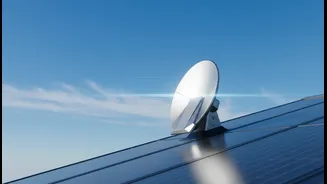
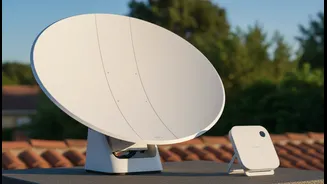
and practicality. The most striking change is its size and weight. The V5 dish is dramatically smaller and weighs just 1.1 kg, a massive reduction from the V4's 2.9 kg. Instead of the automated motors found in previous generations that tilted the dish to find satellites, the V5 features a simple kickstand and relies on manual alignment guided by the Starlink app. This reduction in moving parts is a key contributor to its lower power needs and potentially greater long-term reliability.
The Real-World Power Savings
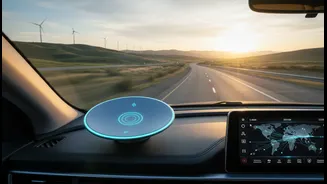
The headline feature of the V5 is its remarkable drop in power consumption. According to SpaceX's own specifications, the new dish has an average power draw of just 35 to 50 watts. This is a substantial improvement over the previous V4 model, which typically consumed between 75 and 100 watts. In practical terms, this is a power reduction of roughly 50%. For a standard home user in India, this could translate into noticeable savings on the monthly electricity bill. But for those in remote areas, using Starlink in an RV, or relying on an inverter and battery backup during power cuts, this efficiency is a game-changer. A 50% lower power draw means a battery or portable power station can keep you connected for significantly longer, making it a far more viable solution for off-grid living and travel.
Performance and Other Perks
With such a focus on efficiency, you might expect a compromise in internet performance. However, the trade-off is minimal. The V5 is rated for speeds up to 375+ Mbps, a slight dip from the V4's 400+ Mbps maximum. For the vast majority of users, this difference in peak theoretical speed will be completely unnoticeable in day-to-day use for streaming, gaming, and video calls. In return for this minor speed adjustment, you get a dish that is not only more power-efficient but also more resilient. The V5 boasts a much higher wind-speed rating, making it more durable in harsh weather conditions. Its lighter weight and smaller size also make installation, particularly on a rooftop, a much simpler and safer task. The new kit also includes a compact 'Router Mini' and a pipe adapter in the box, adding to its convenience.
Availability and Cost in India
Starlink officially received regulatory approval to begin operations in India in 2025, paving the way for a commercial launch. While a firm, nationwide rollout date for the V5 is still unfolding, the service is expected to become more widely available through 2026. B2B suppliers have already begun marketing wholesale kits to distributors and corporate clients across the country. For individual consumers, the cost remains a key consideration. Early, unconfirmed reports suggested a one-time hardware fee of around ₹34,000 and a monthly service cost of approximately ₹8,600, although SpaceX has clarified these were not official figures. Those interested in upgrading will need to weigh the upfront cost of the new hardware against the long-term benefits of lower power consumption and improved portability.
Is the V5 Upgrade Right for You?
The decision to upgrade to the Starlink V5 hinges almost entirely on your specific needs. For users in rural areas with unreliable power, or for those who use Starlink in mobile setups like campervans and boats, the answer is a resounding yes. The dramatic reduction in power consumption is the single most compelling reason to make the switch, as it directly translates to longer operational time on batteries and lower fuel costs for generators. The smaller, lighter design is an added bonus for portability. For the average residential user in a city with stable electricity, the calculation is more nuanced. While the electricity savings are real, it may take a considerable amount of time for those savings to offset the initial cost of purchasing the new V5 kit. If your current Starlink dish is working well and power cost is not a primary concern, you might be better off waiting. However, for anyone prioritising efficiency, portability, and a lower energy footprint, the V5 is clearly the superior choice.