






What is E20 Petrol and Why the Push?
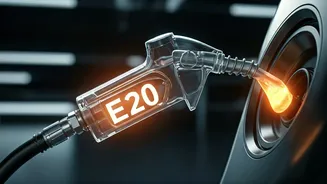
E20 is simply petrol blended with 20% ethanol. The Indian government is promoting its use nationwide for several key reasons: to reduce the country's expensive oil import bill, lower carbon emissions, and provide a stable source of income for farmers
who grow the crops used for ethanol production, like sugarcane and maize. India has successfully rolled out E20, making it the standard petrol available at most fuel stations, a move achieved years ahead of the original schedule.
The Source of the Warranty Anxiety
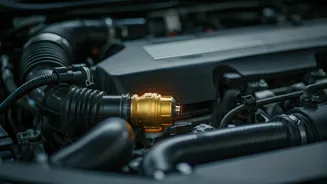
The main fear among consumers stemmed from the chemical properties of ethanol. It is more corrosive than pure petrol and can absorb moisture from the air. This led to concerns that in vehicles not specifically designed for it, E20 could degrade rubber fuel lines, seals, and other components over time, potentially leading to engine damage. Owners were worried that if such damage occurred, manufacturers would refuse to honour the vehicle's warranty, citing the use of 'incompatible' fuel.
The Government's Official Clarification
The Ministry of Petroleum and Natural Gas has issued a detailed, 10-point clarification to address these concerns. Officials have stated that using approved E20 fuel will not automatically void vehicle warranties or insurance coverage. This has been confirmed by both automobile manufacturers and insurance companies. The Society of Indian Automobile Manufacturers (SIAM) also confirmed that warranties will be honoured for vehicles running on E20 fuel, provided it meets the required quality standards.
Is Your Vehicle E20-Compatible?
This is the most important question for any vehicle owner. The answer depends on when your vehicle was made. By law, all petrol cars and two-wheelers manufactured in India since April 2023 are fully E20-compliant. These vehicles have engines, fuel systems, and components specifically built to handle 20% ethanol blends. Many manufacturers have lists of E20-compatible models on their websites, and you can find this information in your vehicle's user manual or on a sticker inside the fuel filler cap.
What About Older, Non-Compliant Vehicles?
This is where things get more complex. If you own a vehicle made before April 2023, it was likely designed for E10 (10% ethanol) or even E5 petrol. While the government and industry bodies have given assurances about warranties, the physical reality is that older components might wear out faster with E20. The government's own studies acknowledge that certain rubber parts in older vehicles may require earlier replacement. Owners of such vehicles have reported noticeable drops in mileage and an increase in maintenance issues. For these vehicles, it is crucial to stay vigilant. Regularly inspecting fuel lines and filters is advisable, and you should immediately address any signs of wear.
The Automakers' Stance
Most major auto brands in India, including Maruti Suzuki, Hyundai, Tata Motors, and Mahindra, have stated that all their models produced after the 2023 deadline are fully E20 compliant. Some manufacturers have gone further, stating that even their older models (from as far back as 2009 in Honda's case) are 'material compliant' and should not face major issues. However, for vehicles not officially declared E20-compatible, the official line is to follow the owner's manual—which often recommends E10. This leaves a grey area that concerns many owners.