



The Two Faces of Cinnamon
The vast majority of cinnamon sold across the globe falls into two main categories: Ceylon and Cassia. Ceylon cinnamon, often called “true cinnamon,” comes from the Cinnamomum verum tree and is native to Sri Lanka and Southern India. It is more expensive
and prized for its delicate, sweet flavour. Cassia cinnamon, on the other hand, comes from the Cinnamomum cassia tree, is primarily grown in Southeast Asia, and is also known as Chinese cinnamon. It is cheaper, has a stronger, spicier flavour, and is the variety most commonly found in supermarkets. If a package is simply labelled “cinnamon,” it is almost certainly Cassia.
Why the Species Matters for Your Health
The primary difference from a health perspective lies in a compound called coumarin. Cassia cinnamon contains significantly high levels of coumarin, which has been linked to potential liver damage in large or regular doses. Some studies show Cassia can have up to 250 times more coumarin than Ceylon. While occasional use of Cassia in cooking is safe for most people, those who consume cinnamon regularly for health benefits or in large amounts should opt for Ceylon, which contains only trace amounts of coumarin. This is especially important for individuals with existing liver conditions.
Identifying Cinnamon by Sight
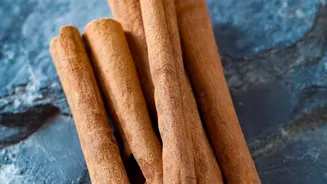
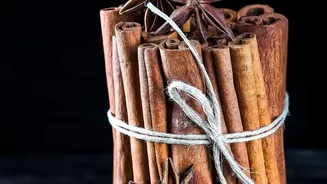
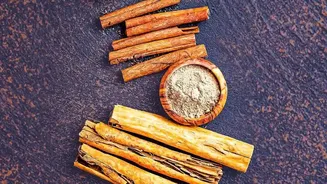
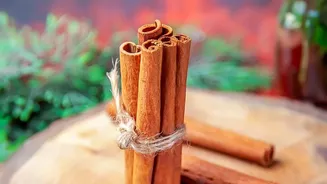
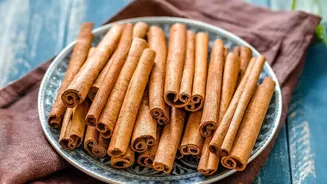
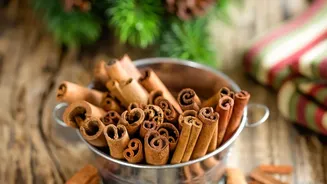
You can often tell the two apart just by looking at the sticks, or quills. Ceylon cinnamon sticks are light tan-brown and composed of many thin, soft layers rolled together like a cigar. They are brittle and can be easily crushed. Cassia cinnamon sticks are a darker, reddish-brown. They consist of a single, thick layer of bark that curls inward, forming a hard, hollow tube that is difficult to break. When ground, telling them apart by sight is nearly impossible, though Ceylon powder is typically a lighter tan colour compared to the reddish-brown Cassia powder.
Decoding the Label
When shopping, the label is your best guide. Look for specific terms that identify the species. For true cinnamon, the packaging should clearly state “Ceylon Cinnamon” or its scientific name, Cinnamomum verum. An origin of Sri Lanka is another strong indicator. Most products simply labelled “Dalchini” or “Cinnamon” are Cassia. The term Dalchini itself historically means “Chinese wood,” a reference to Cassia. If the label does not specify the species or lists Cinnamomum cassia, you can assume it is the high-coumarin variety.
What to Ask a Seller
If you are buying loose spices from a local vendor, they may not have detailed labels. In this case, your visual identification skills are key. You can also ask the seller directly if they know the origin or type of dalchini they are selling. Ask if it is “Ceylon” or “Sri Lankan” cinnamon versus the more common “Chinese” or Cassia type. While they may not always know the scientific name, they often know the trade names or origins. A significantly lower price is also a strong clue that you are being offered Cassia. Ultimately, observing the stick's structure—multi-layered and fragile for Ceylon versus single-layered and hard for Cassia—is your most reliable tool in a marketplace setting.