




Why A Gradual Return Is Essential
During a fast, your body adapts by slowing down the production of digestive enzymes. When you suddenly introduce large quantities of rich, oily, or complex foods, your gut isn't prepared to handle them. This can lead to uncomfortable symptoms like bloating,
gas, indigestion, and even diarrhea. The goal is to gently reawaken your digestive system, not shock it. After days of eating lighter, vrat-friendly foods like fruits, dairy, and specific flours, your body needs time to readjust to heavier grains and spices.
Hydration Is Your First Step
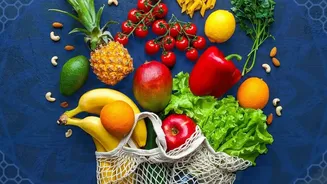
Before you even think about your first proper meal, focus on hydration. Your body is often dehydrated after a fast. Start with a glass of water, coconut water, or a thin, lightly salted buttermilk (chaas). These fluids help replenish electrolytes and prepare your stomach for food without being heavy. You can also opt for light, clear vegetable or bone broths, which are soothing and provide essential minerals. Water-rich fruits like watermelon can also be a gentle way to start.
Choose Your First Meal Wisely
Your first post-fast meal should be small, light, and easy to digest. Think of it as a starter, not a main course. An excellent choice is a small bowl of plain yogurt or curd, which contains probiotics that are beneficial for your gut. A piece of fruit like a banana or apple is also a good option. A simple, well-cooked meal like moong dal khichdi, made with minimal ghee and spices, is a classic post-fast food for a reason. It provides a balanced mix of protein and carbohydrates that is gentle on the stomach. Steamed or lightly sautéed vegetables are another great choice.
Practice Mindful Eating and Portion Control
The temptation to overeat is strongest right after a fast. To avoid this, serve yourself a small portion to begin with. Eat slowly and chew your food thoroughly, which aids digestion and gives your brain time to register that you are full. Pay attention to your body's hunger and satiety cues. It's better to have another small meal an hour or two later than to stuff yourself in one sitting. Planning your meals ahead of time can also help prevent you from reaching for unhealthy options in a moment of extreme hunger.
Foods and Drinks to Avoid Initially
Just as important as what to eat is what to avoid. For the first 24 to 48 hours after your fast, it's best to steer clear of certain foods. This includes deep-fried items like puris and pakoras, overly spicy curries, and rich, cream-based dishes. Also, avoid sugary sweets and processed snacks, as they can cause a sharp spike in blood sugar, leaving you feeling lethargic and craving more. It's also wise to limit caffeine and carbonated drinks, as they can be harsh on an empty stomach.
Reintroducing Grains and Proteins
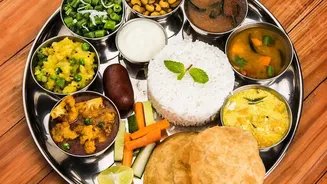
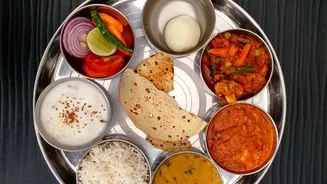
After a day of very light eating, you can start reintroducing your regular foods. Bring back whole grains like rotis and brown rice gradually. When it comes to protein, continue with easily digestible options like dal and yogurt before moving on to heavier proteins. If you consume non-vegetarian food, start with eggs or a light fish or chicken curry rather than rich red meat preparations. The key is to slowly increase complexity and portion size over several days, allowing your body to adapt comfortably.