


Start with Hydration, Not Deprivation
The first step to resetting your system is not to skip meals, but to rehydrate. Cardiologists and nutritionists agree that after days of consuming salty snacks and sugary sweets, your body needs to flush out excess sodium and restore balance. Start your day with
a glass of warm water, perhaps with a dash of lemon, to kickstart your digestion. Throughout the day, focus on drinking plenty of fluids. Plain water is best, but herbal teas without sugar, coconut water, and clear soups also contribute to your hydration goals. This simple act helps reduce the bloating and lethargy that often follow festive feasts and supports your kidneys' natural detoxification process.
Reintroduce Fibre for Gut Recovery
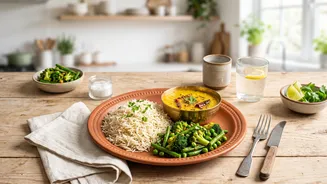
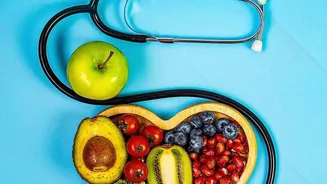
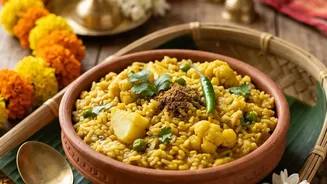
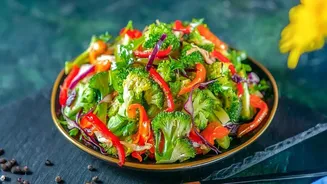
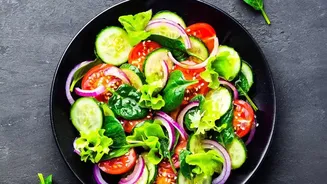
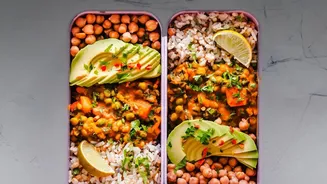
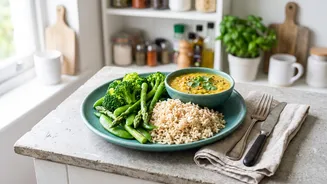
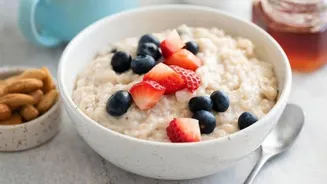
Festive menus are often heavy on refined flours and fats but light on fibre. This can slow down digestion and lead to discomfort. To get your digestive system back on track, gradually reintroduce fibre-rich foods into your diet. Focus on seasonal fruits, fresh salads, and lightly cooked vegetables. Simple meals like vegetable khichdi, dalia, or a bowl of dal with brown rice can provide the necessary fibre and nutrients without overwhelming your system. These foods help regulate bowel movements, improve satiety, and restore the balance of your gut microbiome after a period of sugar-heavy meals.
Mastering the Art of Portion Control
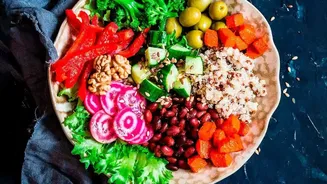
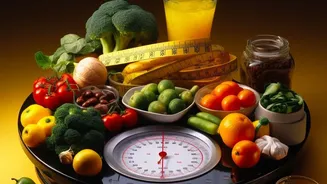
One of the biggest challenges post-Diwali is the abundance of leftover sweets and snacks. While it’s not necessary to banish them completely, portion control is crucial for your heart health. Cardiologists advise enjoying these treats in small quantities rather than making them a regular part of your meals. Instead of having several pieces on an empty stomach, have a single small piece after a balanced meal. When it comes to regular meals, focus on building a balanced plate: fill half your plate with vegetables, a quarter with a lean protein source like dal, paneer or chicken, and the final quarter with whole grains like roti or rice. This approach allows you to enjoy food without the guilt and helps prevent blood sugar spikes.
Prioritise Protein to Curb Cravings
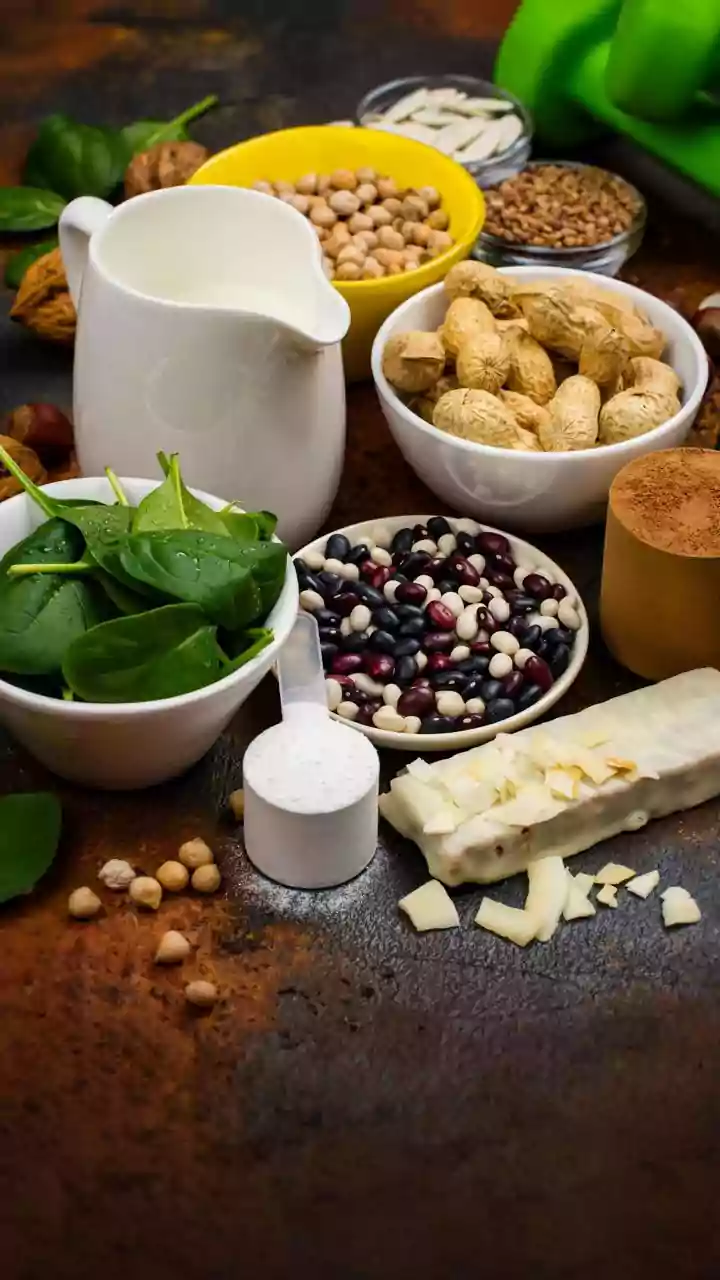
After consuming a lot of sugar, your body can get into a cycle of craving more sweets. A key strategy to break this cycle is to prioritise protein. Including a source of protein in every meal helps you feel full and satisfied for longer, reducing the temptation to reach for another ladoo. Good choices include lentils, chickpeas, yogurt, paneer, eggs, and lean meats. A handful of nuts like almonds and walnuts can also serve as a healthy, protein-rich snack to replace fried namkeen and keep your energy levels stable. This shift helps stabilise your metabolism and supports your liver's recovery process.
Gentle Movement and Restorative Sleep
Getting back on track isn't just about food. Light physical activity is essential for boosting metabolism and aiding digestion. A simple 10-15 minute walk after meals can make a significant difference in managing post-meal glucose spikes and reducing bloating. You don't need an intense workout; gentle, consistent movement is the goal. Equally important is restoring your sleep schedule. Late nights during Diwali can disrupt your body's internal clock and increase stress hormones. Aim for 7-8 hours of quality sleep to help regulate your appetite and improve overall energy levels, making it easier to make healthy choices the next day.