





What Is the New Salt Proposal?
In response to growing public health concerns, a panel of 29 leading Indian doctors and public health experts has put forward a significant recommendation: integrating lower-sodium salt substitutes (LSSS) into India's national health guidelines. This
consensus, which emerged from a conference organised by The George Institute for Global Health India and Resolve to Save Lives, suggests that these substitutes should be formally recognised by the Food Safety and Standards Authority of India (FSSAI). The goal is to make LSSS a mainstream option to help reduce the population's high sodium intake, a major driver of cardiovascular diseases. The experts are urging for policy changes that would not only approve potassium-enriched salt as an 'edible salt' but also promote its use in homes, government nutrition programs like mid-day meals, and packaged foods.
India's Alarming Sodium Consumption
The push for lower-sodium salt comes from some stark numbers. Studies show that the average Indian consumes between 8 to 11 grams of salt per day. This is nearly double the World Health Organization's (WHO) recommended limit of 5 grams per day (equivalent to 2 grams of sodium). This excessive sodium consumption is a primary factor behind the high rates of hypertension, or high blood pressure, affecting an estimated 220 million people in the country. High blood pressure, in turn, is a leading cause of strokes and other cardiovascular diseases, which account for a significant portion of deaths in India. With around 80% of sodium intake in India coming from salt added during home cooking, experts believe a change in the type of salt used in kitchens could have a massive public health impact.
Decoding Lower-Sodium Salt
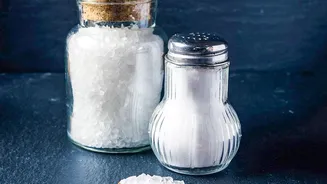
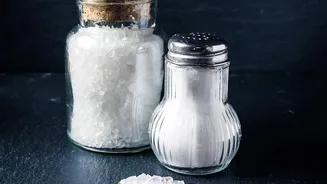
So, what exactly is this proposed substitute? Lower-sodium salt, also known as potassium-enriched salt, is not a complex chemical but a simple blend. It replaces a portion of the sodium chloride (regular salt) with potassium chloride. Typically, these substitutes contain about 70-75% sodium chloride and 25-30% potassium chloride. The result is a product that looks, tastes, and can be used in cooking much like traditional salt. The key difference is that it delivers less sodium while simultaneously increasing potassium intake. This dual action is important because most Indian diets are not only high in sodium but also deficient in potassium, a mineral that helps counteract sodium's negative effects on blood pressure.
The Two-Fold Health Benefit
The primary benefit of switching to lower-sodium salt is its potential to lower blood pressure. Reducing sodium intake is a well-established method for managing hypertension. At the same time, increasing potassium intake helps the body excrete excess sodium and can relax blood vessel walls, further contributing to lower blood pressure. The expert panel highlighted research showing that making this simple switch could reduce the risk of stroke by 14% and death from major cardiovascular events by 12%. This makes the adoption of LSSS a powerful, low-cost public health intervention, comparable in effect to some first-line medications for high blood pressure.
Are There Any Risks to Consider?
While lower-sodium salt is safe and beneficial for the vast majority of the population, it's not a one-size-fits-all solution. The main consideration involves the added potassium. For individuals with advanced chronic kidney disease, their bodies may not be able to effectively excrete potassium, leading to a potentially dangerous condition called hyperkalemia (high potassium levels). For this reason, people with severe kidney problems, those on certain medications that affect potassium levels, or anyone with a related health condition should consult their doctor before making the switch. Another point to ensure is that any low-sodium substitute is also iodized, as regular iodized salt is a critical source of iodine for preventing deficiency disorders.