


The Invisible Culprit: Ethylene Gas
The secret behind this rapid ripening is a natural plant hormone called ethylene gas. It’s a colourless, odourless gas that many fruits produce as they mature. Think of it as a ripening signal. When a fruit starts to release ethylene, it tells itself
and its neighbours to get ripe, soft, and sweet. While this is a normal part of a fruit's life cycle, storing high-ethylene producers next to fruits and vegetables that are sensitive to the gas can dramatically speed up the ageing process, leading to premature spoilage, wilting, and food waste.
Meet the High-Ethylene Producers
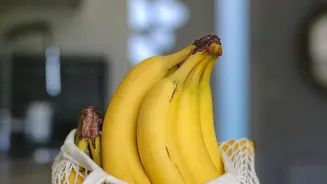
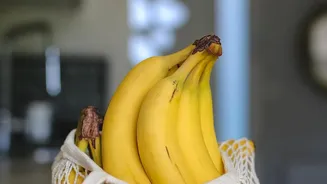
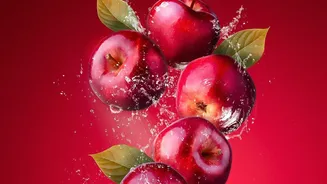
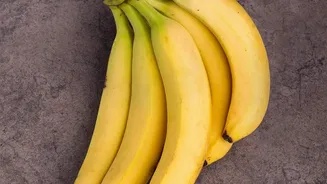
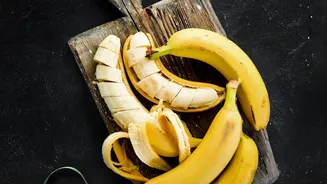
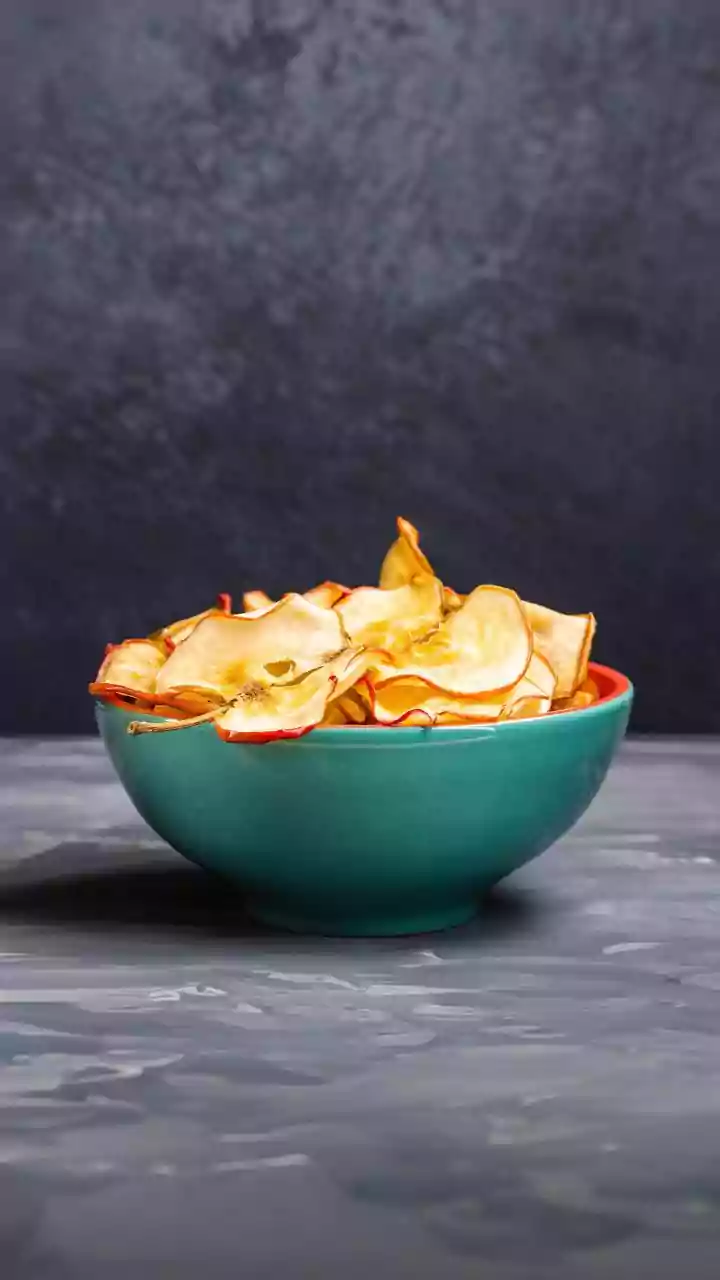
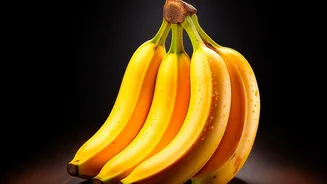
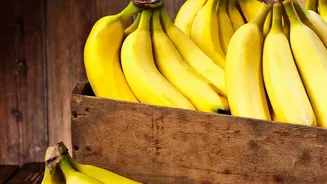
Some fruits are notorious for releasing large amounts of ethylene. These are the ones you need to be most mindful of. Storing them in a group can create a powerful ripening effect that affects everything around them. The main offenders you’ll find in your kitchen include: - Apples - Bananas - Avocados - Peaches, plums, and other stone fruits - Pears - Cantaloupe and honeydew melons - Tomatoes These fruits should ideally be given their own space, especially when they start to ripen. Storing them in a sealed bag or a crowded drawer can trap the ethylene they produce, causing them to spoil even faster.
The Ethylene-Sensitive Squad
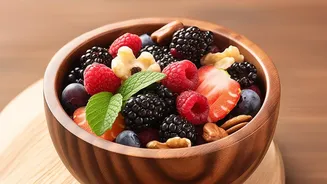
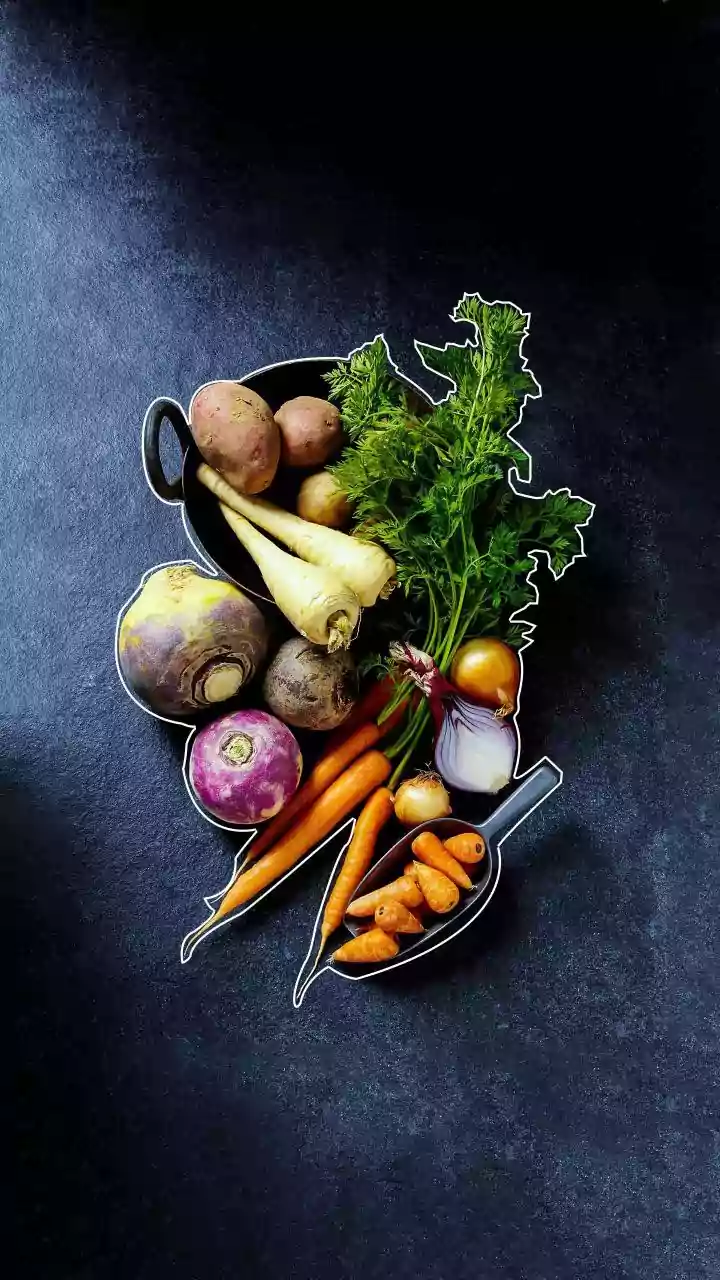
On the other side are the fruits and vegetables that are highly sensitive to ethylene. When exposed to this gas, they can go bad quickly, losing their flavour, texture, and nutritional value. For instance, carrots can become bitter, leafy greens can turn yellow and limp, and cucumbers can develop soft spots. Keep your ethylene producers away from this sensitive group: - Leafy Greens (lettuce, spinach) - Broccoli and Cauliflower - Carrots - Cucumbers - Asparagus - Grapes - Potatoes (ethylene can cause them to sprout) - Berries (strawberries, blueberries) Interestingly, some high-producers like apples and bananas are also sensitive to their own gas, which is why a bunch of apples in a bag will go mealy much faster than those stored with more breathing room.
A Simple Guide to Fruit Storage
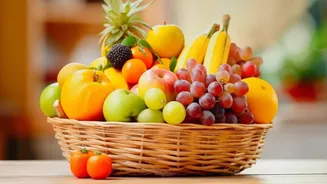
So, how do you keep the peace? The golden rule is separation. Think of it as creating different zones in your kitchen. Keep your apples, bananas, and other high-ethylene fruits in one bowl on the counter, and use a separate bowl or space for other fruits like oranges and grapes. Store ethylene-sensitive vegetables like leafy greens, broccoli, and carrots in your refrigerator's crisper drawers, away from ethylene-producing fruits. For fruits that ripen on the counter, like avocados and peaches, let them mature in their own space. Once they are perfectly ripe, you can move them to the refrigerator to slow down the ripening process and extend their life for a few more days.
Using Ethylene for Good
You can also make this science work for you. Have a rock-hard avocado you need for tonight’s dinner? Or a green banana you want to use for baking tomorrow? You can speed up the ripening process by placing the under-ripe fruit in a paper bag with a high-ethylene producer like a ripe banana or an apple. The bag will trap the ethylene gas, creating a high-concentration environment that encourages the fruit to ripen much faster. Just be sure to check on it daily, as the process can happen quickly.