





A Culinary Tour on Ax-4
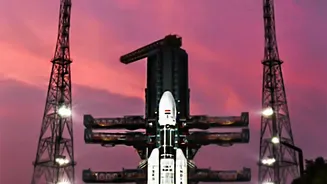
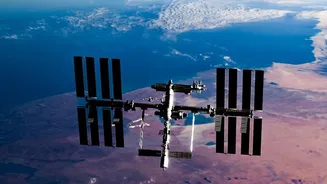
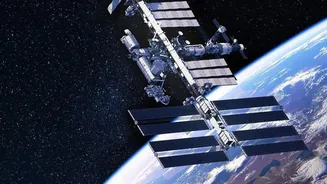
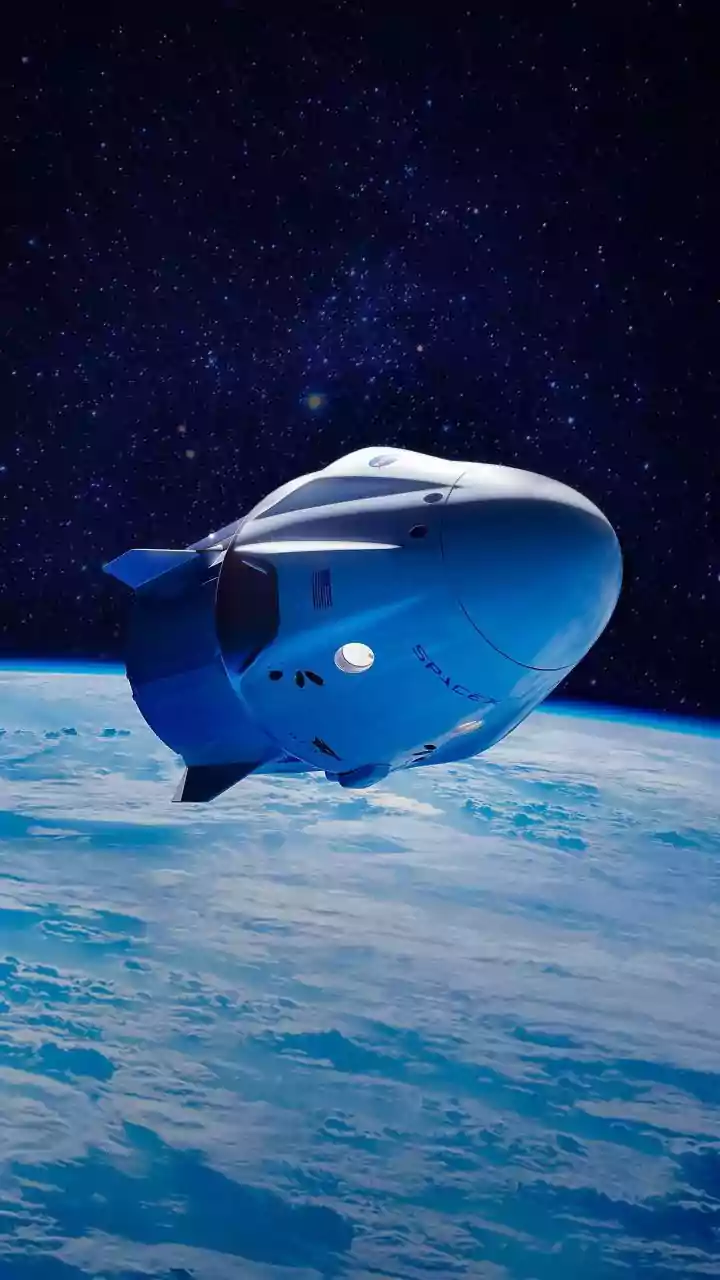
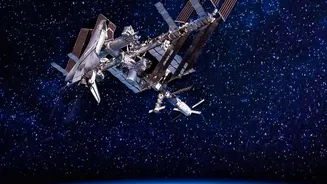
The fourth private astronaut mission to the International Space Station by Axiom Space was notable for its diverse crew, featuring astronauts from India, Poland, and Hungary alongside an American commander. This multicultural team brought a menu reflecting
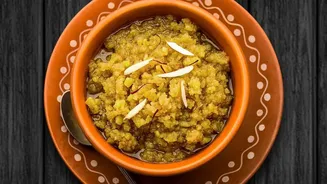
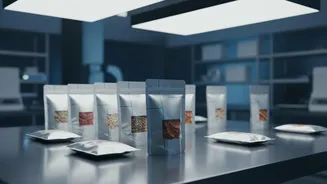
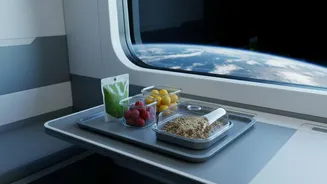
their homelands. Indian pilot Shubhanshu Shukla packed items like moong dal halwa and mango nectar. Poland's Sławosz Uznański brought pierogi and a hearty leczo stew, while Hungarian mission specialist Tibor Kapu had a specially modified “space chocolate” from a traditional brand. These choices weren't just for novelty; they were a deliberate attempt to bring the comfort and identity of home into the sterile environment of the ISS. The mission underscored a growing understanding in the commercial spaceflight industry: as missions get longer, the psychological role of food becomes just as important as its nutritional value.
The Science of Eating in Zero-G
Eating in space is fundamentally different from dining on Earth. In microgravity, body fluids shift upwards, causing congestion similar to a head cold. This sinus blockage dulls the senses of smell and taste, making even well-seasoned food seem bland. As a result, astronauts often crave spicier, more intensely flavored foods to compensate. Texture also becomes a critical factor. Anything that creates crumbs is a hazard, as particles can float into sensitive equipment or astronauts' eyes. This is why salt and pepper are provided in liquid form, and bread is often replaced with tortillas. Even the simple act of preparing a meal is a challenge, requiring careful handling of rehydratable packages and specially designed food warmers.
More Than Just Calories
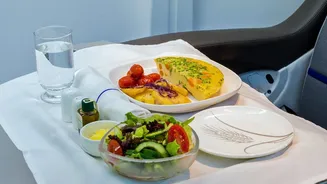
For astronauts confined thousands of miles from home, food serves as a powerful link to Earth and a crucial pillar of morale. Sharing a meal is one of the few communal activities that mimics life back home, providing a sense of normalcy and camaraderie. Research has consistently shown that food variety and quality significantly affect crew performance and well-being. A repetitive menu leads to “menu fatigue,” where astronauts lose their appetite, potentially leading to malnutrition and weight loss at a time when their bodies are already under immense stress from microgravity. The ability to eat familiar, culturally significant foods, as demonstrated by the Ax-4 crew, provides immense psychological comfort. It’s a taste of home that can make the isolation of space more bearable.
The Future of Space Cuisine
As companies like Axiom Space plan for longer commercial missions and NASA sets its sights on the Moon and Mars, the limitations of pre-packaged meals are becoming clearer. The future of space food lies in sustainability and on-demand production. On the ISS, experiments like the Vegetable Production System, or “Veggie,” have successfully grown fresh produce like lettuce, kale, and even chili peppers. These small space gardens not only provide vital nutrients but also offer a psychological boost, as astronauts report finding joy in caring for living plants. Looking further ahead, agencies and private firms are investing in technologies like 3D food printing. The idea is to use shelf-stable, powdered ingredients to print meals with customized textures, flavors, and nutritional profiles, which could dramatically increase food shelf life for a years-long mission to Mars.