

A Tale of Two Roots
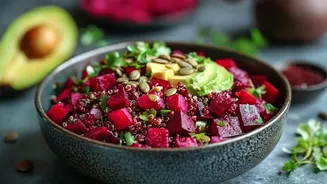
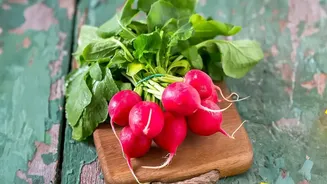
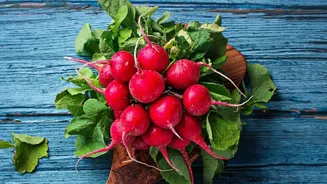
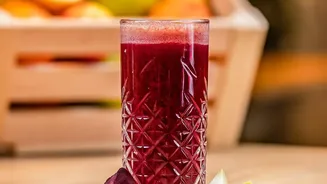
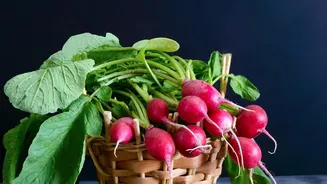
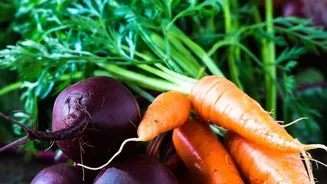
Radishes, known as 'mooli' in India, are typically white or red and are celebrated for their sharp, peppery flavour. They are often eaten raw in salads, pickled, or used in parathas. Beetroots, or 'chukandar', are known for their deep purple hue and sweet,
earthy taste. They are commonly used in juices, salads, and cooked dishes. While both are staples, their nutritional profiles cater to different dietary needs and health goals.
The Potassium Power Play
Potassium is a vital mineral that helps regulate fluid balance, muscle contractions, and nerve signals. It's particularly important for maintaining healthy blood pressure. When comparing these two vegetables, beetroot emerges as the clear winner. A 100-gram serving of raw beetroot contains approximately 325 mg of potassium. In contrast, the same amount of raw radish offers about 233 mg of potassium. For individuals looking to increase their potassium intake to support heart health, beetroot is the more potent choice.
Fibre: A Digestive Duel
Dietary fibre is crucial for a healthy digestive system, helping to prevent constipation and promote a feeling of fullness, which can aid in weight management. In this category, beetroot again takes the lead. A 100-gram serving of raw beetroot provides about 2.8 grams of dietary fibre. A similar serving of raw radish contains around 1.6 grams of fibre. While both contribute to your daily fibre needs, beetroot offers a significantly higher amount, making it a better option for improving digestive regularity and satiety.
Decoding the Serving Size
To make a fair comparison, it's essential to consider a typical serving size and the calories they contain. A standard serving is often considered to be 100 grams. For this amount, raw beetroot contains about 43 calories, while radish has only 16 calories. This makes radishes a very low-calorie option. However, beetroot is more nutrient-dense, packing more vitamins and minerals into its higher calorie count. Radishes are mostly water (about 95%), which contributes to their low-calorie nature, whereas beetroots are about 88% water. The choice here depends on your goal: minimal calories (radish) or more nutrients per calorie (beetroot).
Beyond Potassium and Fibre
Looking beyond the headline nutrients reveals more differences. Beetroot is significantly richer in folate (Vitamin B9), which is essential for cell growth and function, and manganese. It also boasts higher levels of iron and several other minerals. Radishes, on the other hand, are a superior source of Vitamin C, a powerful antioxidant that supports the immune system. Radishes also contain more calcium than beetroots. Therefore, the 'healthier' choice can depend on which specific vitamins and minerals you are looking to boost in your diet.
Which One Should You Choose?
The decision between radish and beetroot isn't about which one is universally 'better', but which one is better for you. If your primary goal is to increase your intake of potassium and fibre to support heart health and digestion, beetroot is the superior option. It is also the go-to for a boost in folate and iron. If you are looking for a low-calorie, hydrating vegetable that provides a solid dose of Vitamin C, then the crisp, peppery radish is an excellent choice. Its lower carbohydrate and sugar content also makes it a strong contender for low-carb diets.