


Understanding Amla's Unique Flavour
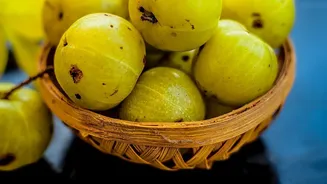
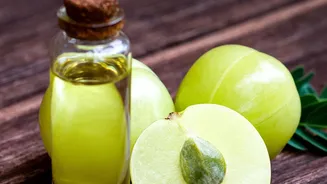
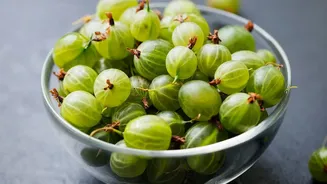
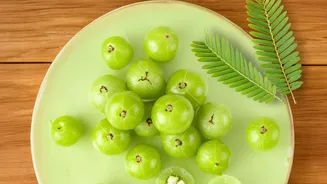
Amla, or the Indian gooseberry, is a celebrated fruit in Ayurvedic traditions for its immense health benefits. It is one of the richest known natural sources of Vitamin C and is packed with antioxidants. While its health profile is impressive, its flavour
can be intense for the uninitiated—a powerful combination of sour, bitter, and astringent. The key to enjoying amla is learning how to balance this potency. When used correctly, its tartness can brighten dishes much like lemon or tamarind, adding a complex and refreshing dimension that is hard to replicate. Don't let its strong taste intimidate you; think of it as a powerful flavouring agent that can transform your cooking.
Refreshing Amla Drinks
One of the easiest ways to consume amla is by turning it into a beverage. For a simple amla juice, chop a few deseeded gooseberries and blend them with water, a pinch of black salt, and perhaps a small piece of ginger. Strain the mixture for a smooth, invigorating drink. If the taste is too strong, you can add honey or mix it with other fruit juices. Another popular method is making a concentrate or sherbet by cooking amla and then blending it into a pulp with sugar and spices, which can be diluted with cold water for a quick cooler. You can also use amla powder, which dissolves easily in hot or cold water for a quick health shot.
Zesty Relishes and Pickles
Amla's tangy flavour makes it a perfect candidate for relishes, chutneys, and pickles that can accompany any meal. A quick amla chutney can be made by blending grated or chopped amla with fresh coriander, mint, green chillies, and a little sugar to balance the sourness. Some recipes involve lightly sautéing the amla first to soften it before grinding. For something with a longer shelf life, Amla Murabba is a classic preparation. This sweet preserve involves boiling the gooseberries and then simmering them in a sugar or jaggery syrup until they become tender and translucent. Another popular relish is a quick pickle, or launji, where amla pieces are cooked with spices like mustard seeds, fennel, and a sweetener like jaggery for a delightful sweet and sour condiment.
Incorporating Amla into Cooked Dishes
Beyond condiments, amla can be seamlessly integrated into your main courses. In South Indian cuisine, it is often used to make 'Nellikai Sadam' or gooseberry rice, where grated amla is sautéed with a tempering of mustard seeds, dals, and curry leaves before being mixed with cooked rice. Amla can also serve as a souring agent in lentil dishes like dal or sambar. Simply add a few chopped pieces of amla to the lentils while they pressure cook. The gooseberries will soften and meld into the dal, imparting a subtle tanginess that replaces the need for tamarind. You can even make a simple amla sabzi by boiling and dicing the fruit, then cooking it with onions and spices in a light gravy.