
The Secret Science of Ripening
To understand how this kitchen hack works, you first need to know about ethylene. Ethylene is a natural, invisible, and odourless plant hormone that plays a crucial role in the life of a fruit. As certain fruits mature, they begin to produce this gas,
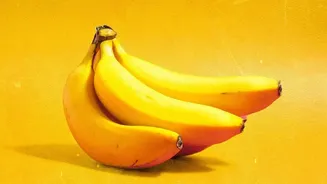
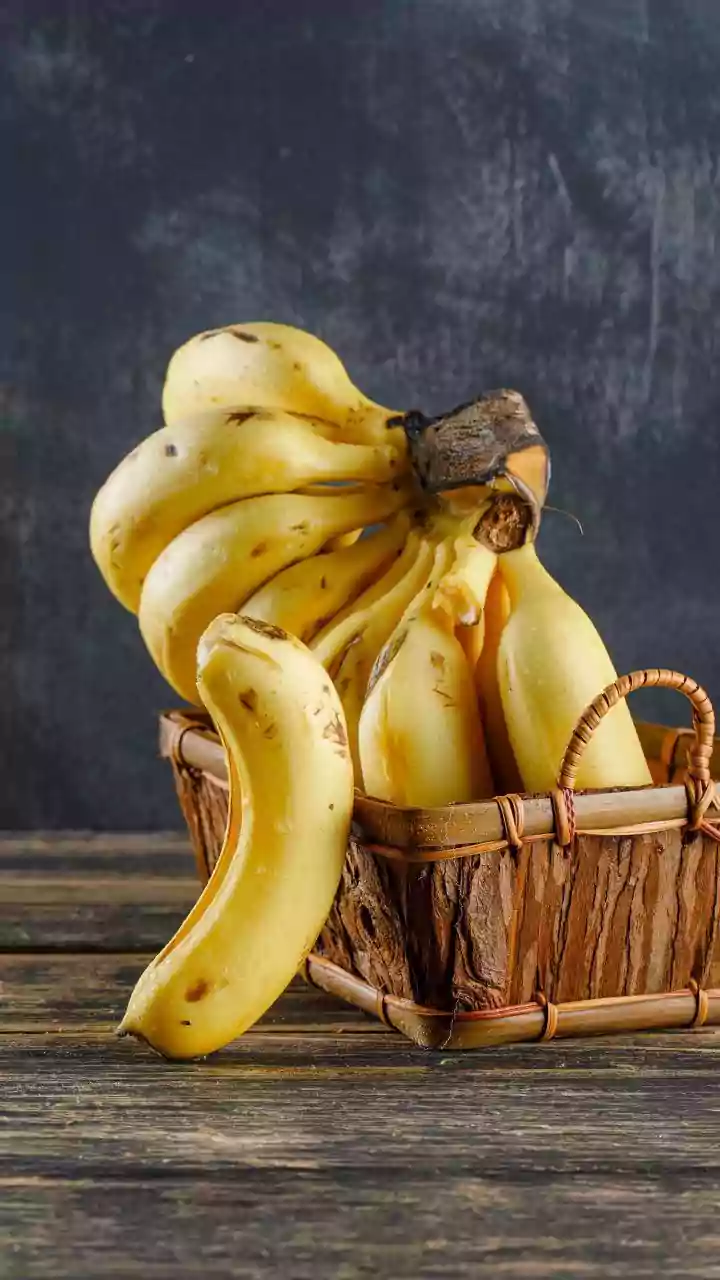
which triggers the ripening process. This is what causes a fruit to soften, change colour, and convert its internal starches into sugars, making it sweeter and more palatable. Fruits that continue to ripen after being picked, like bananas, avocados, and pears, are known as climacteric fruits. They are particularly responsive to ethylene. Placing them in an enclosed space concentrates the gas they naturally release, effectively telling them to ripen faster. This is why keeping a bunch of bananas together helps them ripen more quickly than separating them.
The Power Couple: An Apple and a Paper Bag
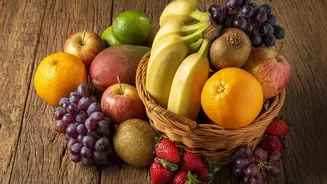
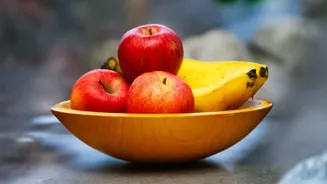
So, where do the apple and the paper bag come in? Apples are famously high producers of ethylene gas. Adding an apple to the bag with your green bananas acts as a powerful ripening booster, surrounding the bananas with a concentrated cloud of the very hormone that tells them to get sweet. The old saying, "one bad apple spoils the bunch," is actually a reference to this process; a bruised or overripe apple releases a lot of ethylene, which can cause nearby produce to over-ripen and spoil more quickly. But in this case, we’re harnessing that power for good. The paper bag is the ideal vessel for this process because it traps enough ethylene to accelerate ripening while still being breathable. This breathability is key, as it allows excess moisture to escape, preventing the fruit from becoming mouldy or rotting before it has a chance to ripen—a common problem if you try this trick with a plastic bag.
Your Step-by-Step Guide to Perfect Bananas
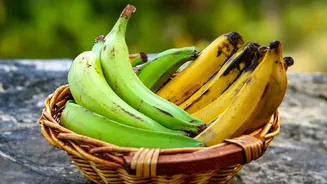
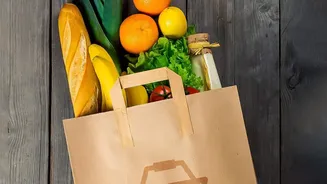
Ready to put this science into action? The process is incredibly simple and takes just a minute to set up. First, grab a standard paper bag, like one you might get from a grocery store. Place your under-ripe bananas inside. Next, add an ethylene-producing companion fruit. An apple is a fantastic choice, but a ripe pear, avocado, or even another, already-ripe banana will also work effectively. Loosely fold or roll the top of the paper bag closed. You don’t need to seal it tightly; just ensure the gas is mostly contained. Place the bag in a warm, dark spot in your kitchen, like on top of the refrigerator or in a cupboard. Heat can also speed up the chemical reactions involved in ripening. Check on your bananas once a day. Depending on how green they were to start, they should be perfectly yellow and ready to eat within 24 to 48 hours.
Pro Tips and Common Questions
While an apple is a great ethylene producer, many other fruits can help in a pinch. Pears, peaches, plums, avocados, and nectarines are all excellent options. Some apple varieties, like McIntosh, are known to produce even more ethylene than others, making them particularly effective. Conversely, if you want to slow down the ripening process, the key is to do the opposite. Separate your bananas from the bunch and keep them away from other ethylene-producing fruits to reduce their exposure to the gas. Wrapping the stems of the banana bunch in plastic wrap can also help slow the release of ethylene from the stem, giving you a few extra days before they become too ripe. And once your bananas reach the perfect level of ripeness, you can move them to the refrigerator. The peel will turn dark brown, but the fruit inside will remain firm and delicious for a few more days, halting the ripening process.