
The Gates Are Open
Assam's celebrated UNESCO World Heritage Site officially reopened on October 3, 2026, after being closed to visitors for several months. The reopening was formally marked by officials at the Kohora Range, signaling the start of another season of exploration
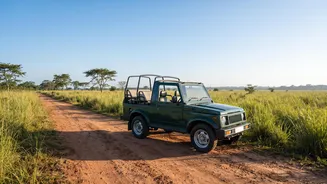
in one of India's most vital biodiversity hotspots. For now, the reopening is being handled in phases. Jeep safaris have commenced in the popular Central Range at Kohora and the Western Range at Bagori. Authorities have confirmed that other ranges within the park will become accessible to tourists progressively as internal roads and bridges, damaged during the monsoon floods, are fully repaired and deemed safe for travel.
A Necessary Rest
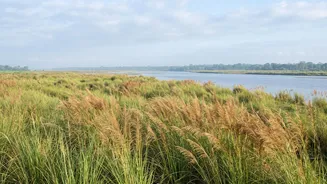
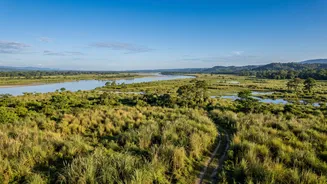
The annual closure is not just a logistical necessity; it is a crucial part of Kaziranga's ecological cycle. The park is situated on the floodplains of the mighty Brahmaputra River, and each monsoon, vast swathes of its grasslands and wetlands are submerged. This natural flooding makes safari trails impassable and dangerous. More importantly, this period allows the ecosystem to heal and rejuvenate. The grasslands, vital for the park's herbivores, regenerate, and the animal population gets an undisturbed period for breeding and movement. Animals often migrate to higher ground in the nearby Karbi Hills during the peak floods, returning as the waters recede. The closure ensures the park remains a pristine and thriving habitat before tourists return.
Planning Your Safari
For the 2026-27 season, jeep safaris are the first to become available. They are operating in two daily slots: a morning session from 7:30 AM to 10:00 AM, and an afternoon session from 1:30 PM to 3:00 PM. Visitors hoping for the iconic elephant-back safari will need to wait a little longer. Officials expect elephant safaris to resume within 10 to 20 days of the park's opening, pending the completion of all necessary preparations. It's always recommended to book safaris in advance, as the park has seen a huge surge in visitor numbers over the past decade. New rules are also being phased in to enhance the experience and protect wildlife, including a push for a centralized online booking system and potential restrictions on mobile phone use during safaris to minimize disturbances.
More Than Just Rhinos
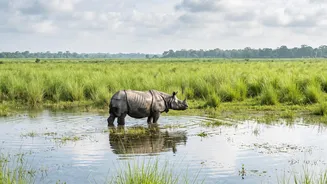
While Kaziranga is globally celebrated for its success in conserving the greater one-horned rhinoceros, the park’s treasures extend far beyond this magnificent creature. It is a critical habitat for a number of other flagship species, including Asian elephants, wild water buffalo, and eastern swamp deer. Kaziranga also boasts one of the highest densities of tigers in the world, though their elusive nature makes sightings a rare and special event. Birdwatchers are in for a treat as well, as the park is recognized as an Important Bird Area, with its wetlands and grasslands attracting a huge variety of resident and migratory birds, especially between November and April.
How to Get There
Planning a trip is relatively straightforward. The main entry point for most tourists is the Kohora area, which provides access to the Central Range. The nearest airport is in Jorhat, about 95 kilometres away, while the larger Lokpriya Gopinath Bordoloi International Airport in Guwahati is approximately 217 kilometres from the park. From either city, you can hire a taxi or take a bus to reach Kaziranga. Given the park's popularity, it is advisable to book accommodation well in advance, especially if you plan to visit during the peak season, which runs from November to April when the weather is most pleasant and wildlife sightings are at their best.