





Why Is Everyone Talking About 'Proffee'?
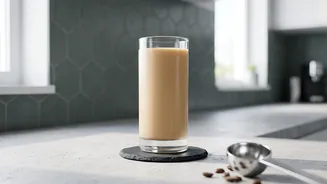
The concept of protein coffee is straightforward: it combines the energising effects of caffeine with the muscle-building and satiating power of protein. For many people, breakfast is a meal that's either skipped or low in protein. 'Proffee' presents
itself as a convenient solution, especially for those with busy mornings who already have a coffee ritual. The trend has gained traction as a potential tool for weight management, with proponents claiming the combination can keep you feeling full for longer, potentially reducing overall calorie intake throughout the day. The mix of protein and caffeine is also popular as a pre-workout drink, believed to enhance performance and energy levels.
The Potential Health Benefits
Adding protein to your morning coffee can be an effective strategy for meeting your daily protein requirements, which are crucial for muscle repair, immune function, and overall health. Protein is known to increase feelings of fullness, or satiety, more than carbohydrates or fats. This can help curb hunger pangs until your next meal. Furthermore, your body uses more energy to digest protein, which can provide a slight metabolic boost. When combined with the metabolism-enhancing properties of caffeine, 'proffee' can be a supportive part of a weight management plan. For those looking to build or maintain muscle mass, starting the day with a protein hit can be particularly beneficial.
Is It Safe? Potential Downsides to Consider
While convenient, protein coffee isn't without its drawbacks. Experts generally agree that whole food sources of protein are superior to powders because they provide a broader range of vitamins, minerals, and other beneficial compounds. Many protein powders can also contain hidden sugars, artificial sweeteners, fillers, and other additives that you may not want in your diet. Some people may experience digestive discomfort, such as bloating or gas, when combining protein powder with acidic coffee. It’s also important to note that a 'proffee' is not a nutritionally complete substitute for a balanced breakfast. Relying on it solely could mean missing out on essential fibre and micronutrients found in a proper meal.
Does Hot Coffee Damage the Protein?
A common concern is whether the heat from hot coffee destroys the protein's nutritional value. The short answer is no. While high heat can denature protein—meaning it changes its molecular structure—this process doesn't eliminate its amino acids or reduce its nutritional benefits. In fact, your body denatures protein during digestion anyway. The primary issue with adding protein powder directly to very hot liquid is texture. It can cause the protein, especially whey, to clump and create an unpleasant, lumpy drink. The challenge is more about mixability than nutritional loss.
How to Make the Perfect Protein Coffee
The key to a smooth, enjoyable 'proffee' is all in the technique. Instead of dumping a scoop of powder directly into a steaming mug, let your coffee cool slightly first. The ideal method is to first mix the protein powder with a small amount of cool or room-temperature liquid, like water or milk, to form a smooth paste or slurry. Then, you can slowly stir in your hot coffee. Using a handheld milk frother or a shaker bottle can make a world of difference in achieving a clump-free consistency. For iced coffee, the process is even simpler, as the powder dissolves more easily in cold liquids.
Choosing the Right Type of Protein
Not all protein powders are created equal when it comes to coffee. Whey isolate and collagen peptides are often recommended as they tend to dissolve more smoothly and have a more neutral flavour. Collagen, in particular, is known for mixing well in both hot and cold liquids without clumping or altering the taste significantly. Plant-based proteins, such as those from peas or rice, can also work well, though some may have a slightly grittier texture. When choosing a powder, opt for one with minimal added sugars and a short, recognizable ingredient list. Flavours like vanilla, chocolate, or unflavoured varieties tend to complement coffee best.