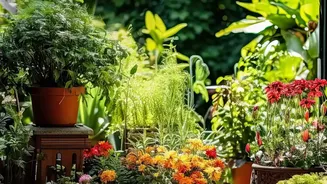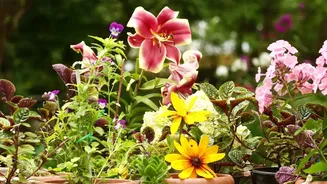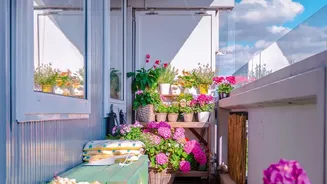


Want a garden bursting with your favourite flowers next year for free? The secret is in your own backyard. Saving seeds from common flowers is a simple, rewarding way to preserve your best blooms and ensure a vibrant garden season after season.
Why Bother Saving Seeds?
Beyond
the obvious benefit of saving money, collecting your own seeds is a time-honoured gardening tradition with several advantages. It allows you to select seeds from your strongest, most beautiful plants, gradually adapting them to your specific garden's climate and soil. This means the plants you grow next year are more likely to thrive. It’s also a wonderful way to share your garden with friends and family by gifting them packets of seeds from your favourite blooms. Plus, it reduces waste and connects you more deeply to the natural cycle of your plants.
Choosing the Easiest Flowers
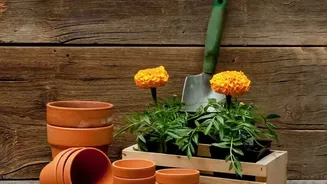
To get started, focus on annual flowers that are 'open-pollinated'. This means the seeds you collect will grow into plants that look just like their parents. Hybrid plants, often labelled 'F1', may produce offspring with different traits. Some of the easiest and most reliable flowers for beginner seed savers in India are Marigolds (Genda), Zinnias, Cosmos, and Sunflowers. These popular choices produce large, easy-to-handle seeds and are very forgiving. Let a few of the best-looking flowers on your healthiest plants go to seed specifically for this purpose.
Knowing When to Harvest
Patience is the most crucial tool for seed saving. Seeds harvested too early won't be viable, while waiting too long might mean the birds or the wind have dispersed them for you. The golden rule is to wait for the flower head to fade, wither, and turn brown and dry. The petals will shrivel or fall off completely. For flowers like zinnias and marigolds, the seed head should feel dry and brittle to the touch. In flowers with pods, like poppies or larkspur, wait until the pods are brown and dry; you might even hear the seeds rattling inside. Always choose a dry, sunny day for harvesting, after the morning dew has evaporated, to minimize the risk of mould.
The Art of Collecting
The collection process is wonderfully simple. You'll need some paper bags or envelopes and a pair of scissors. For flowers like marigolds, zinnias, and cosmos, you can simply snip off the entire dried flower head and place it in a bag. Be sure to label each bag with the flower's name and the date collected. For some plants, you can hold the bag underneath the seed head and gently shake or rub it to release the seeds directly inside. For sunflowers, wait until the back of the head turns brown, then cut it with a good portion of the stem to hang and dry further.
Drying for Long-Term Success
Even if the seeds feel dry when you collect them, an additional drying period is essential to prevent mould during storage. Spread the collected seed heads or loose seeds in a single layer on a screen, a paper plate, or newspaper. Keep them indoors in a warm, dry, well-ventilated spot away from direct sunlight for at least a week or two. For flowers like zinnias, you can even hang the cut stems upside down in a paper bag; the bag will conveniently catch the seeds as they dry and fall. The seeds are ready for storage when they are completely brittle and snap rather than bend.
Storing Your Future Garden
Once your seeds are thoroughly dry, it's time to clean them by separating them from the chaff (the leftover petals and plant bits). While perfect cleaning isn't essential for home use, removing most of the debris improves air circulation. Place the clean, dry seeds into paper envelopes or small glass jars. Plastic bags are generally not recommended as they can trap moisture. Label each container clearly. Store your precious collection in a cool, dark, and dry place—a closet or a drawer is often perfect. Properly stored, seeds from many common flowers can remain viable for several years.