


The Secret Language of Produce
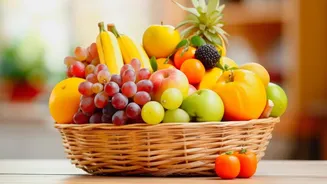
The first concept to grasp is that many fruits and some vegetables release an invisible, odourless gas called ethylene as they ripen. Think of it as a ripening hormone. Apples, ripe bananas, peaches, pears, and tomatoes are all generous ethylene producers.
This gas doesn't just affect the fruit that releases it; it signals to nearby produce to speed up its own ageing process. This can be a useful tool if you want to ripen a hard avocado quickly – just place it in a bag with a banana. However, it can be a disaster if you store your ethylene-producers next to produce that is highly sensitive to the gas.
Know Your Sensitive Side
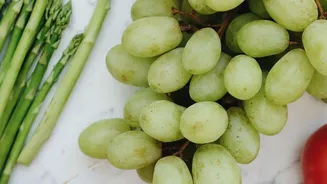
Ethylene-sensitive items are those that spoil, wilt, or yellow quickly when exposed to the gas. This group includes many of the vegetables we try to keep fresh all week, such as asparagus, broccoli, carrots, cucumbers, and leafy greens like lettuce and spinach. Storing your apples next to your broccoli, for example, is a recipe for premature yellowing and spoilage of the vegetable. The cardinal rule of smart food storage is, therefore, to keep the producers and the sensitive items separate. Don't store your ripe bananas next to your carrots. Give your tomatoes their own space on the counter, away from your cucumbers.
What’s Your Intention?
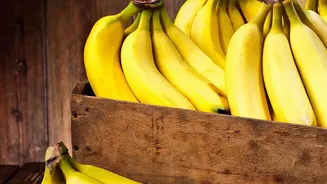
The second critical factor is your 'intended use'. How you should store a food item depends heavily on when you plan to eat it. Take bananas, for instance. If you buy a bunch of green bananas intending for them to last the week, you should leave them on the counter and even separate them to slow down ripening. But if you have a perfectly ripe banana today that you want to use for a smoothie tomorrow, popping it in the fridge is the right move. The peel might darken, but the cold will halt the ripening process and preserve the fruit inside for a short time. Similarly, an avocado should be left on the counter to ripen, but once it reaches peak softness, you can move it to the fridge to buy yourself an extra day or two.
Case Study: The Misunderstood Tomato
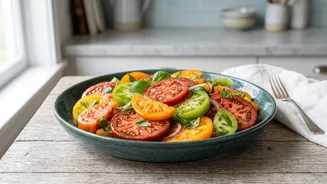
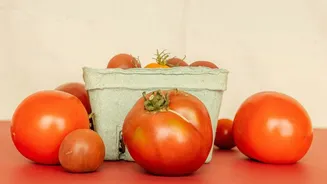
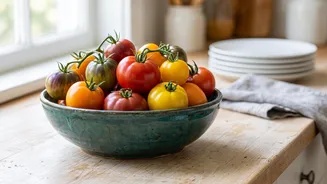
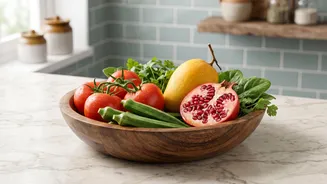
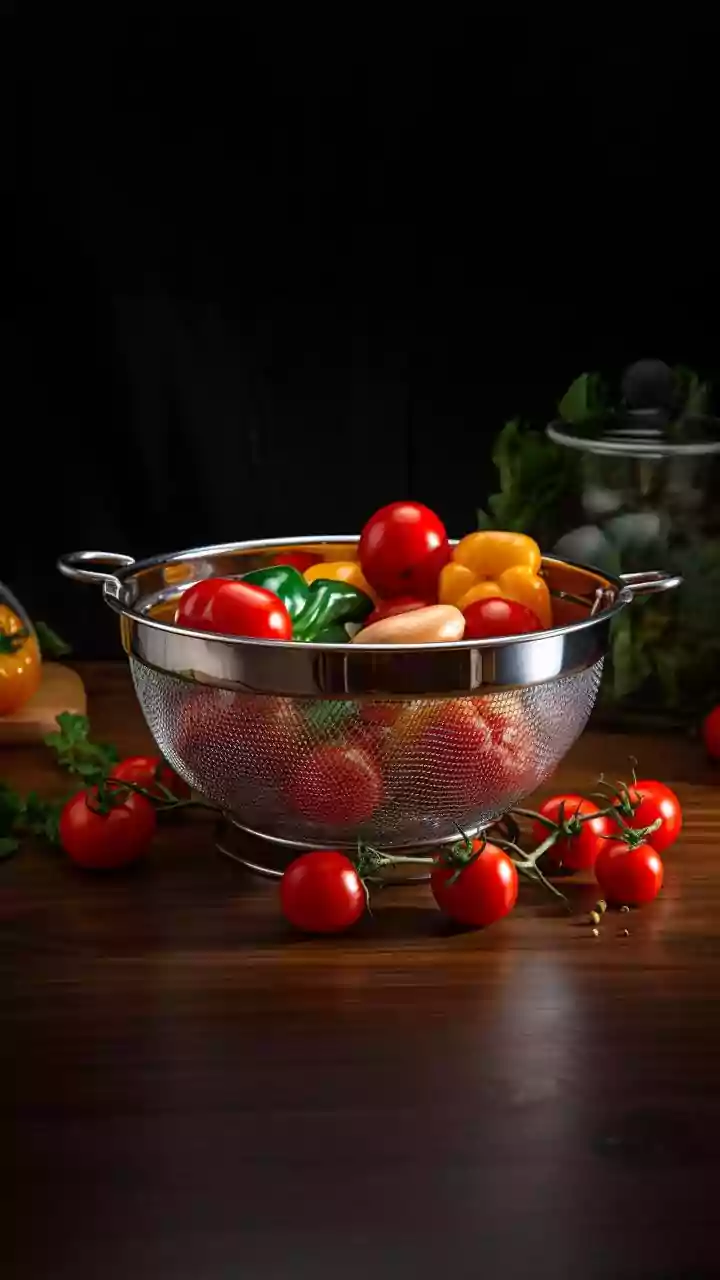
Tomatoes are perhaps the most commonly misplaced item in the kitchen. Many of us instinctively put them in the fridge, but this is a mistake for any tomato that isn't perfectly ripe. Cold temperatures are the enemy of a tomato's flavour and texture. The chill stops the ripening process in its tracks and breaks down the cell membranes within the fruit, resulting in a mealy, mushy, and bland-tasting tomato. For the best taste, tomatoes should be stored on the countertop until they are fully ripe. Only if they are on the verge of becoming overripe and you need to save them for another day should they see the inside of your refrigerator.
Storage Best Practices
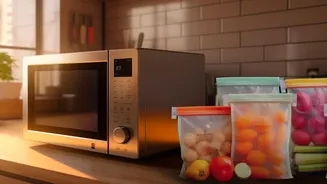
Beyond these principles, a few other tips can extend the life of your produce. Don't wash berries until you are ready to eat them, as excess moisture encourages mould. Store potatoes and onions in a cool, dark, and dry place like a pantry, but keep them separate from each other. Potatoes release moisture that can cause onions to spoil. Finally, most leafy greens and herbs do best when stored in the fridge, but fresh basil is an exception; it wilts in the cold and should be kept on the counter in a glass of water.