

The Unseen Impact of the Off-Road Trail
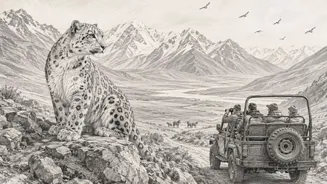
For decades, the safari experience has been defined by the game drive. Convoys of diesel-powered vehicles venture deep into national parks, bringing tourists face-to-face with incredible wildlife. While these encounters are unforgettable, they leave a significant
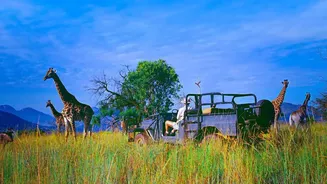
footprint. Research and on-the-ground observation show that the constant pressure from safari vehicles has several negative effects. The heavy tyres compact soil, leading to increased erosion and difficulty for vegetation to grow. Over time, this can degrade the very grasslands that grazing animals depend on. Furthermore, the noise and presence of vehicles can alter animal behaviour. Studies have noted that some species, like impala, actively avoid roads, which can fragment their habitats and disrupt natural movements. In high-traffic areas, the constant presence of vehicles can cause chronic stress to wildlife, even if the animals appear habituated. The roads themselves, essential for this type of tourism, can become scars on the landscape, and the sheer number of lodges and support infrastructure built to cater to ground-based tourism competes with prime wildlife territory.
A New Perspective: Taking to the Skies
Enter the concept of the 'high-altitude safari'. This doesn't refer to mountains, but rather to gaining elevation over the plains. The most prominent example is the hot-air balloon safari, a practice that is gaining recognition not just as a luxury experience, but as a genuinely low-impact way to witness the wild. By floating silently above the landscape, these safaris eliminate ground-level disturbance almost entirely. Operators in world-renowned locations like Tanzania's Serengeti and Kenya's Maasai Mara have been offering these flights for years, but their conservation benefits are now a key part of their appeal. The experience is fundamentally different. Instead of a focused, ground-level pursuit, a balloon offers a panoramic, map-like view, revealing the scale of the ecosystem and the interconnectedness of animal herds in a way a vehicle cannot. This approach allows tourists to see vast, remote areas without the need to build new roads, preserving the integrity of the wilderness.
How Floating Above Truly Helps
The environmental benefits are direct and measurable. With no wheels on the ground, there is no soil compaction or erosion caused by the tour itself. The near-silent drift of the balloon, punctuated only by occasional bursts from the burner, is far less intrusive than the constant rumble of a vehicle engine. This allows for observation of animal behaviour with minimal disruption; creatures below often don't even seem to notice the balloon passing overhead. This 'leave no trace' approach extends beyond the flight itself. Balloon safaris require minimal ground infrastructure—just a suitable launch area, which can be a simple grassy field, and a support vehicle to collect the balloon and passengers upon landing. The revenue generated from these premium experiences also contributes significantly to park fees and conservation funds, which are essential for anti-poaching patrols, habitat restoration, and community development projects that create a sustainable economic alternative to land exploitation.
Not a Silver Bullet, But a Positive Step
Of course, high-altitude safaris are not a perfect solution or a replacement for all ground activities. For one, they are expensive, making them inaccessible to many tourists. The carrying capacity is also limited; a balloon can only take a small number of passengers, and flights are highly dependent on weather conditions. While the flight itself is quiet, the propane burners do create noise, and the chase vehicles still use the road network. Furthermore, a balloon offers a stunning overview but is not ideal for the close-up, detailed observation that a game drive provides. Experts agree that it is a complementary experience, not a wholesale replacement. However, as part of a broader strategy for sustainable tourism, it represents a significant step in the right direction. It encourages a shift in mindset from high-volume, high-impact tourism to a model that prioritises the health of the ecosystem and offers a unique, high-value experience.