





A Mission of Pioneering Vision
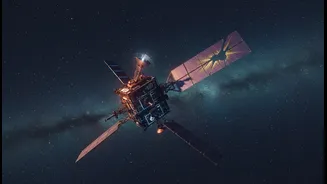
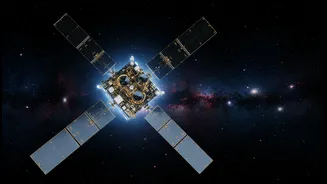
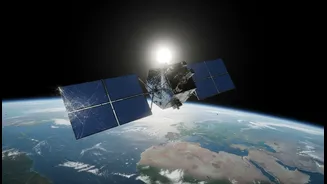
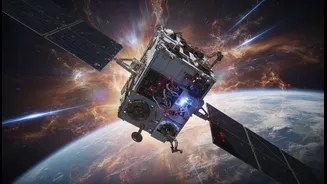
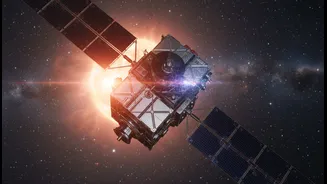
Mission Drishti was not just any satellite. Launched on May 3, 2026, it represented a significant leap for India's burgeoning space-tech industry. Developed by the Bengaluru-based startup GalaxEye Space, the 190 kg spacecraft was celebrated as India's largest
privately developed Earth observation satellite. More impressively, it was the world's first 'OptoSAR' satellite, a groundbreaking technology that fused high-resolution optical cameras with all-weather Synthetic Aperture Radar (SAR) into a single unit. This hybrid system was designed to do what few others could: peer through clouds, smoke, and darkness to provide uninterrupted day-and-night imagery. Its applications were vast, ranging from strategic defence surveillance and disaster management to agricultural monitoring and infrastructure planning.
What Went Wrong In Orbit?
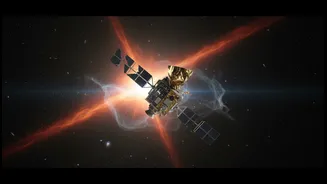
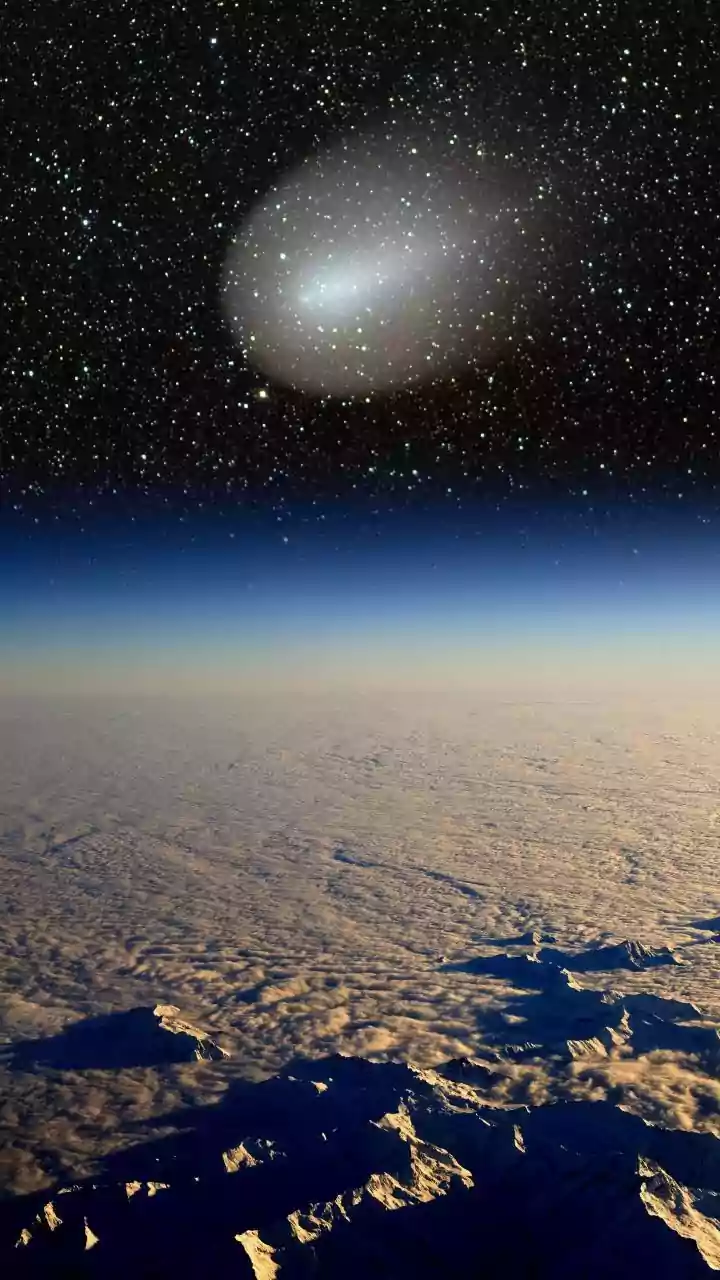
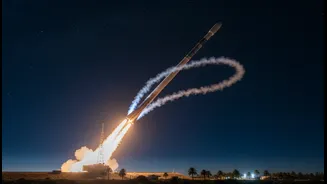
The mission began flawlessly. After a successful launch aboard a SpaceX Falcon 9 rocket from California, Mission Drishti established communication with GalaxEye's mission control in Bengaluru. It successfully completed a significant portion of its Launch and Early Orbit Phase (LEOP), a critical period where the satellite is prepared for full operation. Key systems were activated, deployments were executed, and the spacecraft's attitude was controlled as planned. However, during the final stages of this preparatory phase, disaster struck from 150 million kilometres away. A severe geomagnetic solar storm, a massive eruption of energy from the Sun, washed over the satellite. According to GalaxEye's initial analysis, the intense radiation from this space weather event likely damaged a critical onboard system. Communication became intermittent before being lost entirely.
A Faint Hope of Recovery
In the silent expanse of space, a frantic and delicate rescue operation is underway. Engineers at GalaxEye are working around the clock, sending commands in an attempt to re-establish a connection with the stricken satellite. However, the company has been transparent about the grim outlook. In a statement released on July 7, GalaxEye acknowledged that while recovery efforts continue, the likelihood of success currently appears low. The incident serves as a harsh reminder of the unforgiving nature of the space environment, where even the most sophisticated technology is vulnerable to the immense power of the cosmos. Every passing hour of silence diminishes the hope of bringing Mission Drishti back online.
A Setback, Not a Total Failure
While the potential loss of Mission Drishti is undoubtedly a major setback for GalaxEye and a sobering moment for India's private space sector, the company emphasizes that the mission was far from a total failure. In the weeks it was operational, the satellite successfully validated numerous critical homegrown technologies. It demonstrated GalaxEye's ability to design, build, and operate a complex spacecraft from its own mission control centre. According to the company's CEO, Suyash Singh, the mission provided invaluable engineering data and operational insights that will be crucial for future endeavours. The team proved that its core systems, from attitude control to onboard computing, worked as designed right up until the solar storm anomaly. This trove of data ensures that the lessons from Mission Drishti's untimely end will not be in vain.
The High-Risk, High-Reward Path Forward
The space industry is built on resilience, and GalaxEye is already looking ahead. The company has stated its commitment to its long-term roadmap, which includes launching two larger and more robust OptoSAR satellites within the next two years. The hard-won lessons from Mission Drishti's encounter with space weather are being used to strengthen the design and architecture of these future spacecraft. The incident, while painful, is part of a narrative familiar to the global space community, where progress is often punctuated by failure. Early missions by giants like SpaceX also faced explosive setbacks. For India's private players, this event may serve as a crucial, albeit costly, learning experience on the path to becoming a major force in the global space economy. The ambition to create a constellation of advanced, Indian-made satellites remains firmly intact.