


What Are These 'Miracle' Drugs?
You've likely heard the names: Ozempic, Wegovy, or Mounjaro. These are brand names for a class of drugs called GLP-1 receptor agonists. Originally developed to manage Type 2 diabetes, their powerful effect on weight loss has caused a global sensation.
GLP-1 is a natural hormone your gut releases after you eat. It tells your brain you're full, slows down digestion, and helps regulate blood sugar. These new medications are synthetic versions that mimic and amplify this natural signal, making people feel full much faster and for longer. The result is a dramatically reduced appetite and, for many, significant weight loss.
Silencing the 'Food Noise'
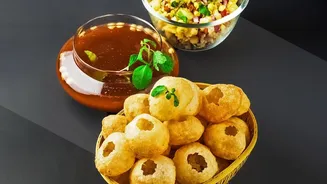
Users of these drugs consistently report a fascinating side effect: the quieting of 'food noise'. This term describes the constant, intrusive mental chatter about food—thinking about your next meal while you're still eating the current one, or persistent cravings for snacks. GLP-1 drugs appear to act on the brain's reward pathways, reducing the appeal of high-calorie, sugary, and fatty foods. For many, it's not about using willpower to resist a plate of pakoras; the actual desire for them simply fades. This creates a profound psychological shift, changing a person's entire relationship with food from one of constant negotiation to one of quiet control.
A Challenge for Indian Food Culture?
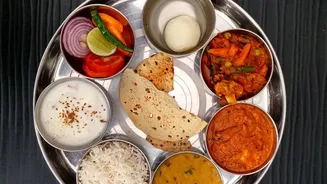
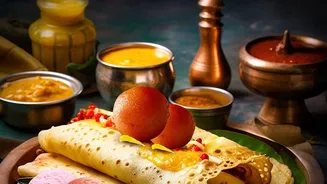
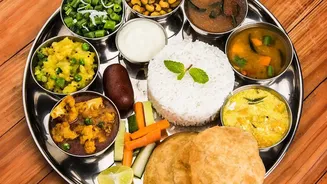
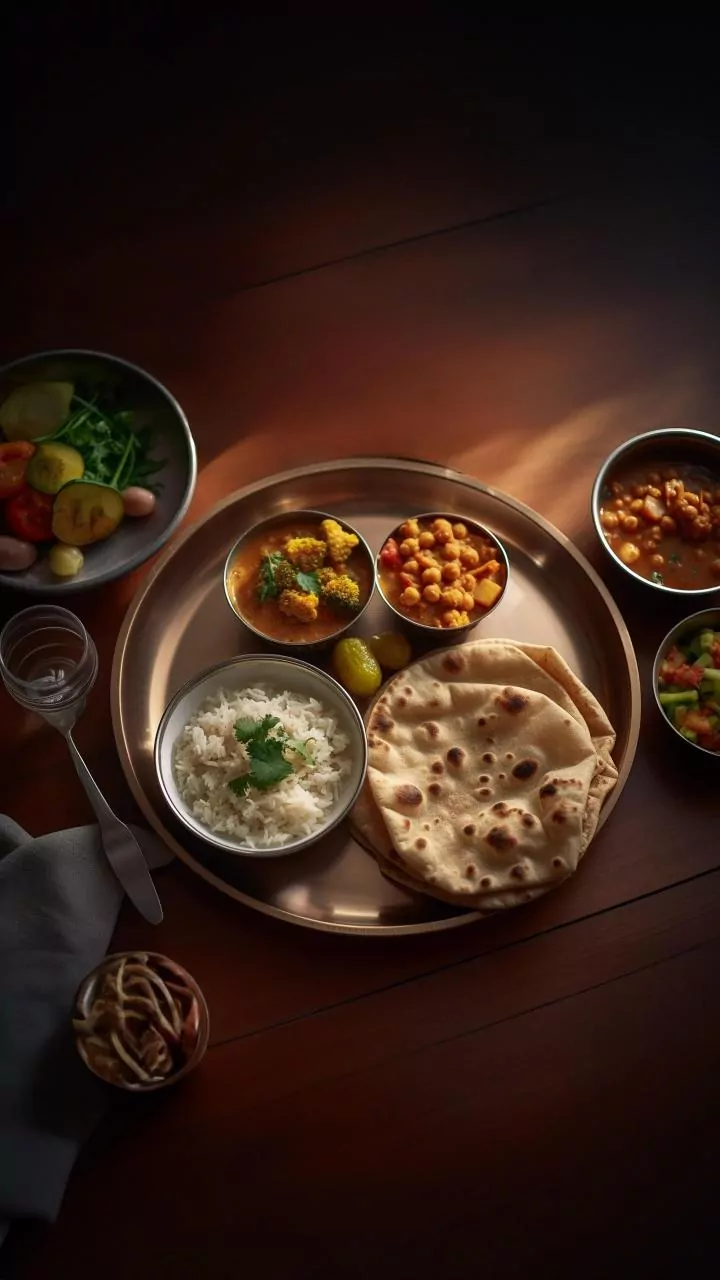
In India, food is rarely just about fuel; it's about community, celebration, and love. From Diwali sweets and Eid feasts to elaborate wedding spreads, sharing food is a core part of our social fabric. This is where the impact of GLP-1 drugs becomes complicated. A reduced appetite might be a personal health win, but it can create social awkwardness when a host insists you have a second helping of biryani, or when you can only manage a few bites at a family gathering. Experts note that patients need counselling on how their eating capacity will change, as they simply won't be able to eat like before. The rise of these drugs could challenge long-held traditions built around communal feasting and the joy of a shared, abundant table.
Availability and Cost in India by 2026
While branded GLP-1s have been expensive globally, the Indian pharmaceutical landscape is changing the equation. The patent on semaglutide (the molecule in Ozempic and Wegovy) expired in India in early 2026, leading to the launch of numerous generic versions from domestic companies. This has significantly lowered costs. While branded pens can still cost several thousand rupees per month, generic options are available for much less, with some starting around ₹1,300 per month. This makes them more accessible, moving them beyond a niche product for the wealthy and into the mainstream for India's large urban middle class, especially given the country's high rates of diabetes and obesity.
How the Food Industry Is Adapting
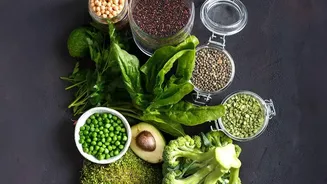
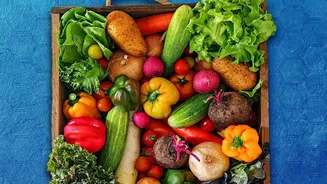
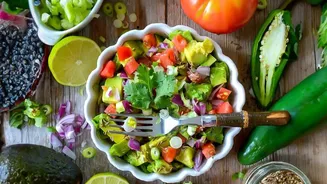
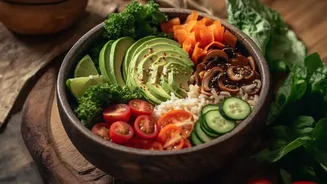
The food and beverage industry is already taking note of this seismic shift. As users eat less overall, they tend to prioritize quality over quantity, seeking out nutrient-dense, high-protein options. Studies show that while overall calorie consumption drops, users gravitate towards fruits, vegetables, and lean proteins. In response, some Indian restaurants are already experimenting with 'GLP-1 friendly' menus, offering smaller, protein-fortified portions that don't identify the diner but cater to their new needs. This could mean a future with smaller plates, fewer carb-heavy sides, and a greater emphasis on high-quality ingredients. For an industry built on indulgence, it's a pivot toward satiety and nutrition.