





More Than a Pile of Rocks
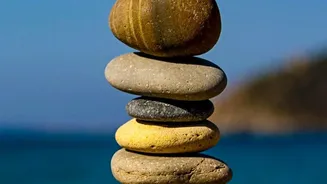
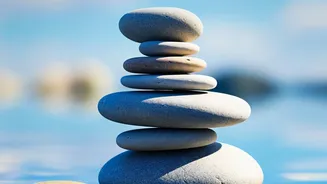
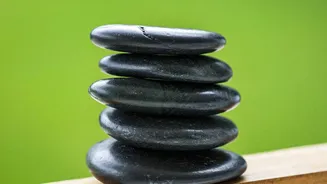
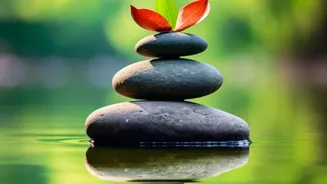
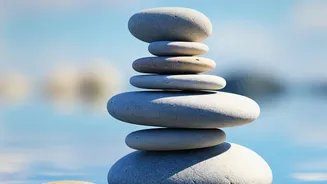
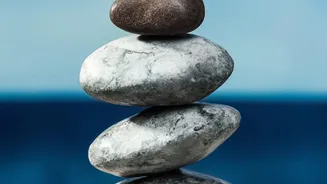
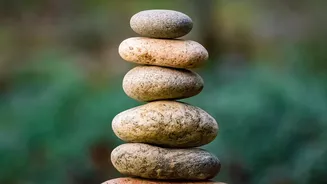
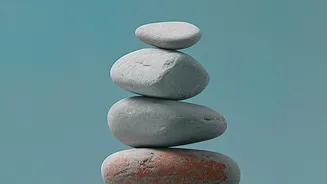
At its core, stone balancing is an art form and a meditative practice that uses only stones, gravity, and the practitioner's patience. Unlike building a simple pile, true balancing involves finding minute points of contact where rocks can rest in equilibrium,
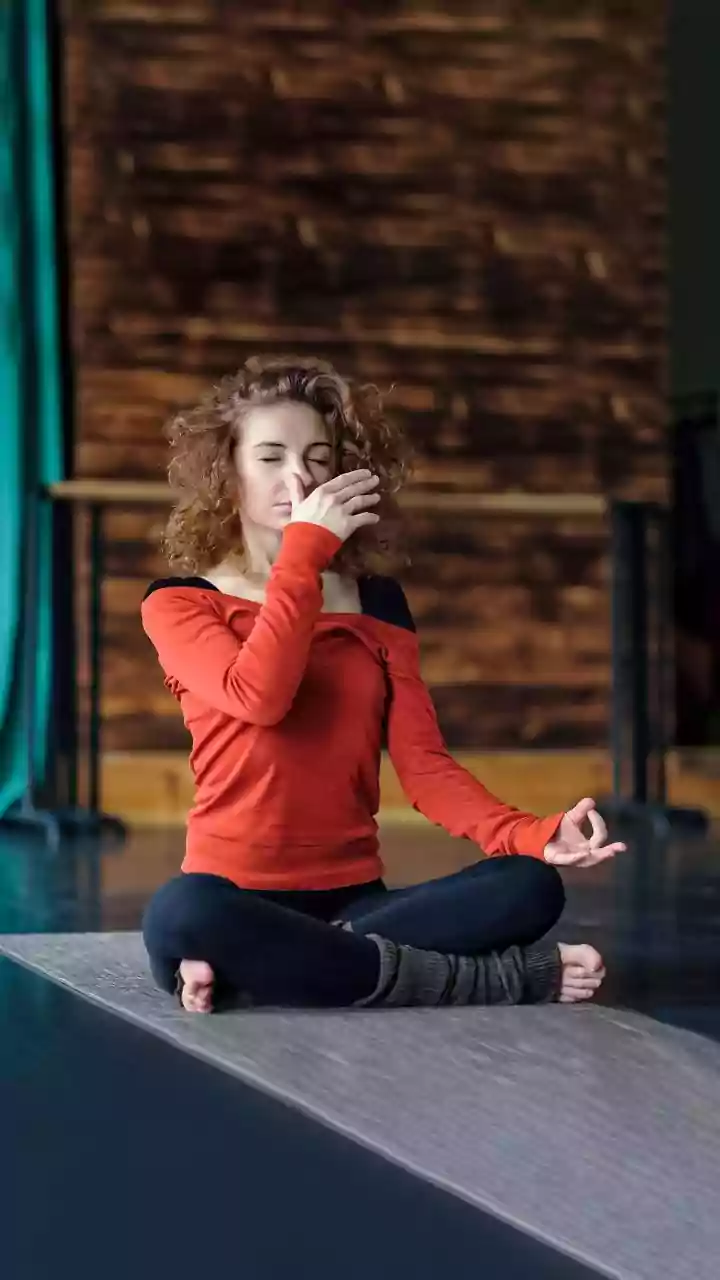
often appearing to float. The goal isn't just to stack high, but to create a moment of harmony between irregular shapes. It requires no glue, wires, or tricks—just an intense connection between mind, body, and the materials provided by the earth. Practitioners often describe it as a form of moving meditation, a process that quiets the mind and demands complete presence.
A Physical Puzzle of Focus
The practice is a direct exercise in focus and coordination. To balance a stone, you must become acutely aware of its weight, texture, and shape, feeling for its center of gravity. This requires immense concentration, shutting out external distractions and internal chatter. The hands must be steady and the movements precise, creating a powerful feedback loop between sight and touch. This delicate process enhances hand-eye coordination and fine motor skills. Every attempt is a small lesson in physics and patience, as you learn to feel the almost imperceptible moment when the stone settles into its balance point.
Why the Outdoors Is Essential
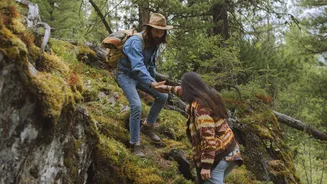
While you could theoretically balance objects anywhere, performing this activity in nature adds a crucial dimension. Being outdoors grounds the practice, connecting the mental act of balancing with the physical world. The gentle breeze that threatens to topple your creation, the uneven ground beneath your feet, and the sounds of a flowing river are not distractions; they are part of the experience. Engaging with these elements teaches adaptation and resilience. The process encourages a deep appreciation for the natural environment, turning a simple hobby into a profound interaction with the world around you.
Lessons in Impermanence
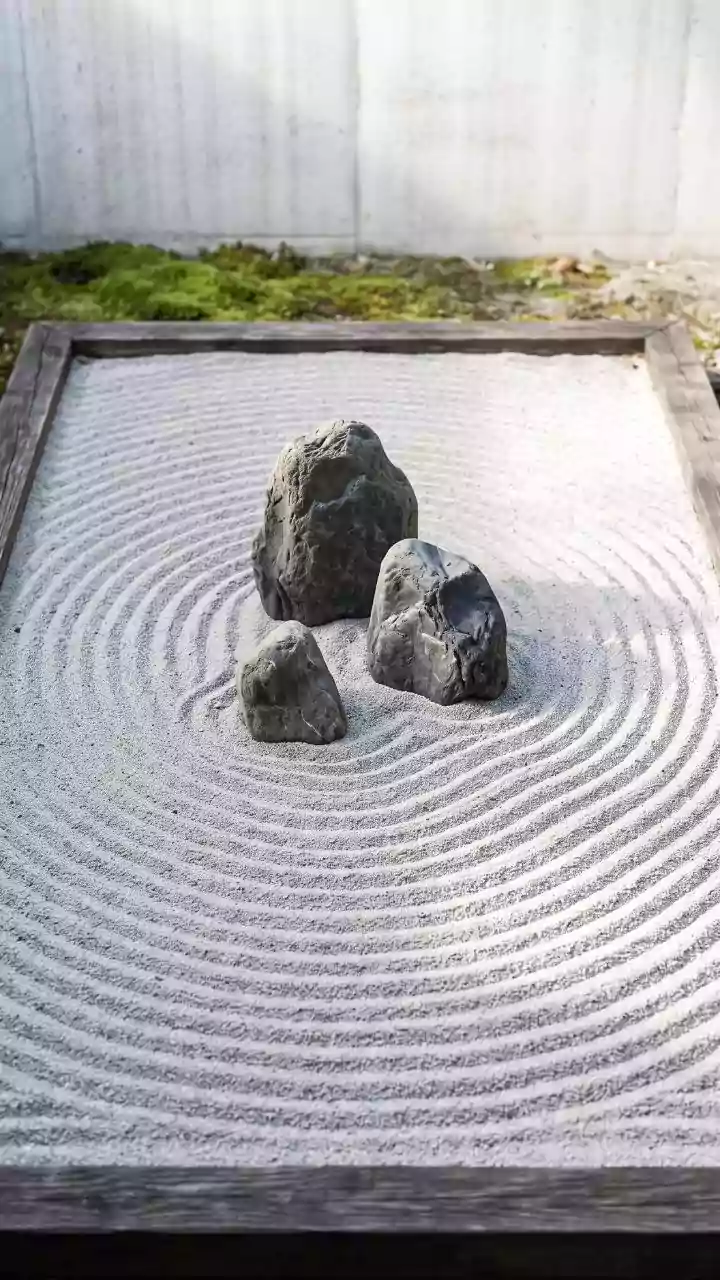
Every balanced sculpture is temporary. A gust of wind, a rising tide, or a gentle nudge can bring it down in an instant. This ephemerality is a core part of the practice. Much like a Tibetan sand mandala, the value is in the act of creation, not in the permanence of the result. This teaches a powerful lesson in letting go and accepting impermanence. Each collapse is not a failure, but a natural conclusion that makes way for the next creation. This aspect turns stone balancing into a metaphor for life itself, encouraging an appreciation for the present moment without attachment to the outcome.
A Mindful Practice with a Responsibility
As the popularity of rock stacking has grown, so have concerns about its environmental impact. It is crucial to distinguish between meditative balancing and disrupting an ecosystem. The Leave No Trace principle is paramount. Moving rocks can disturb microhabitats for insects, fish, and other small creatures that live on and under them. In some areas, stacks can cause erosion or confuse hikers who mistake them for official trail markers, known as cairns. A responsible practitioner enjoys the process and then returns the stones to where they found them, leaving the landscape as it was for others to enjoy. The rule is simple: build, appreciate, and then disassemble.